
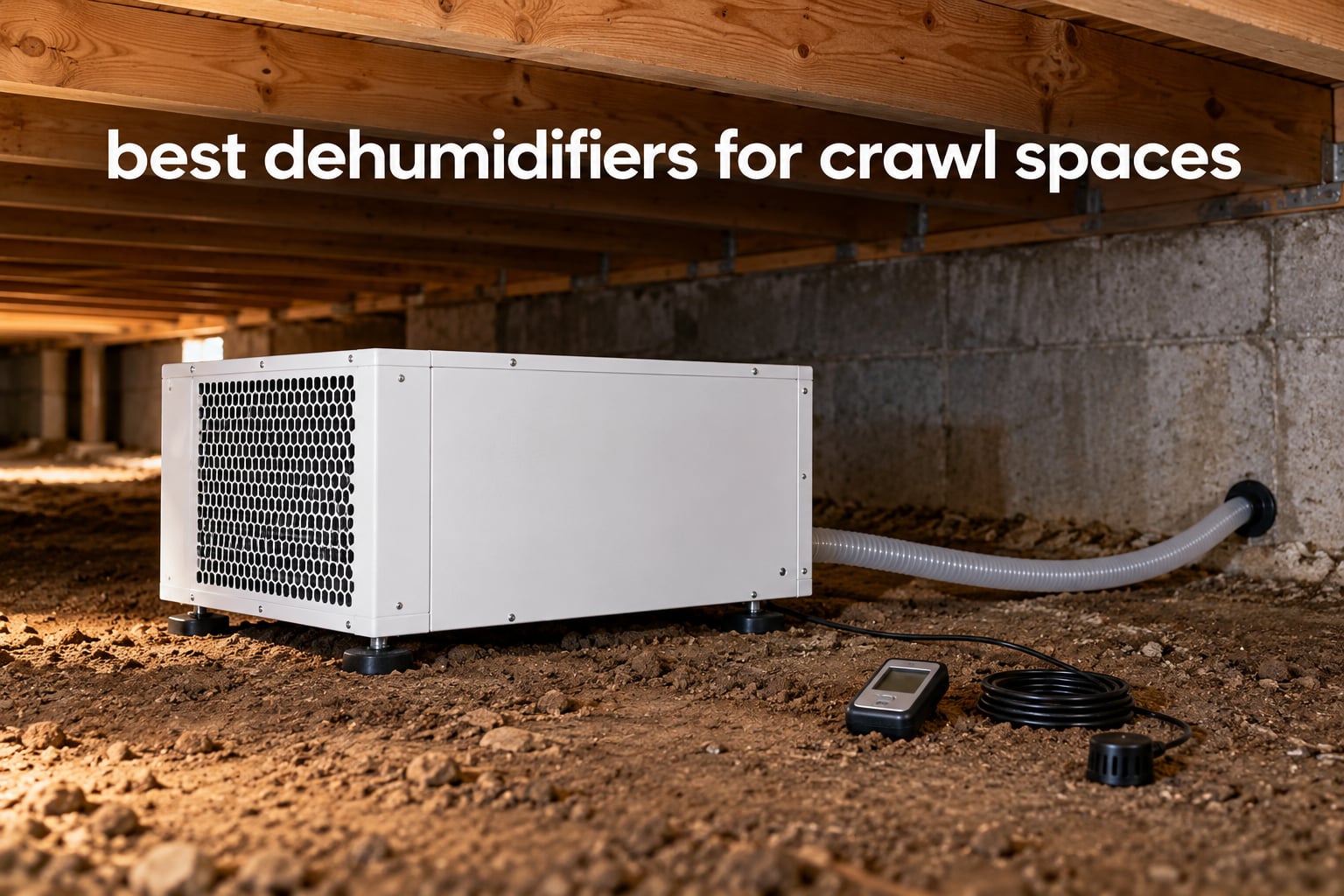
Exposed soil under a house is a slow water source. The Department of Energy estimates that a 1000 sq ft crawl space can release 10 to 12 gallons of water vapor per day, and the EPA notes that relative humidity held above 60 percent gives fungal spores permission to germinate on wood framing. That is the whole reason a crawl space dehumidifier exists, and the reason picking the wrong one wastes money quietly for years.
We spent weeks reading owner reports, spec sheets, and failure threads on r/basement, r/hvacadvice, and r/HomeImprovement, then compared ten of the most capable crawl space dehumidifiers on the numbers that actually decide whether a unit works under a house: AHAM rated capacity, airflow, drainage method, defrost behaviour, chassis height, and warranty length. What we found is that the loudest number on a product listing is usually the least useful one.
This guide covers the best dehumidifiers for crawl spaces for 2026, from compact pumped models for a 900 sq ft space to commercial LGR machines for post-flood restoration. It also covers the decisions that come before the purchase, because a dehumidifier installed into an unsealed, vented crawl space is working against you the entire time it runs.
If your moisture problem is upstairs rather than beneath the house, our guide to the best dehumidifiers for basements covers finished-space units instead. For below-grade water problems, look at our picks for the best sump pumps for crawl spaces and the best radon fans for crawl spaces.
Table of Contents
What Type of Dehumidifier Is Best for a Crawl Space?
The best type of dehumidifier for a crawl space is a horizontal, refrigeration-based unit with a high-static-pressure blower, an automatic defrost cycle, and either a built-in condensate pump or a gravity drain routed out of the space. Three unit types are worth considering, and they are not interchangeable.
- Refrigeration (compressor) units are the default choice and the right pick for most crawl spaces. They run at 50 to 60 percent relative humidity, cost less to operate, and use auto defrost to survive cold nights. Every model in our list falls into this group.
- Desiccant units use a chemical wheel instead of a compressor and can pull moisture below 40 percent RH, but they consume more electricity and are worth it only in unusually cold or very dry-target situations.
- Whole-house ventilating dehumidifiers duct into your HVAC return and handle the entire home, not just the crawl space. They make sense if the same moisture problem shows up upstairs. We cover the simpler basement case in our dehumidifiers for mold prevention guide.
Target a setpoint of 45 to 55 percent RH. Manufacturers and the prevailing advice on r/hvacadvice both point to that band, and it is low enough to stop rot without pushing the framing toward shrinkage.
Top 3 Picks for Crawl Spaces in 2026
These three models cover the most common crawl space situations: a standard under-house install, a shallow space with tight joists, and a budget build where every dollar counts.


Moiswell Defender M145
- 70 PPD at AHAM
- 265 CFM airflow
- Low-clearance 22.5 in chassis
- Energy Star certified

ALORAIR Sentinel HD35P
- 35 PPD at AHAM
- 70 PPD at saturation
- Built-in pump lifts 19.6 ft
- Operates under 50 dB
Our full ranking runs from a 70-pint budget pump to a 198-pint commercial machine, and every one of the ten earns its place for a different reason.
Best Dehumidifiers for Crawl Spaces at a Glance in 2026
All ten models, with the specs that matter under a house. Ratings and review counts are copied from the verified product listings, and prices change constantly so use the buttons rather than any figure you might remember.
| Product | Specifications | Action |
|---|---|---|
| ALORAIR Sentinel HD55S 120 Pint |
|
Check Latest Price |
 Waykar 125 Pint with Pump Waykar 125 Pint with Pump |
|
Check Latest Price |
| ALORAIR Sentinel HD35P 70 PPD |
|
Check Latest Price |
| Moiswell Defender M145 155 Pint |
|
Check Latest Price |
 Waykar 158 Pint Dual Duct Waykar 158 Pint Dual Duct |
|
Check Latest Price |
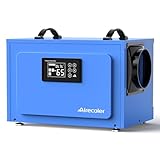 Airecoler GT-X5 125 Pint Airecoler GT-X5 125 Pint |
|
Check Latest Price |
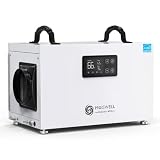 Moiswell Defender MP70 155 Pint Pump Moiswell Defender MP70 155 Pint Pump |
|
Check Latest Price |
 Abestorm Guardian SN35P 70 PPD Abestorm Guardian SN35P 70 PPD |
|
Check Latest Price |
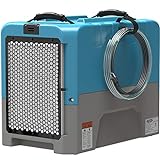 ALORAIR Storm LGR Extreme 180 Pint ALORAIR Storm LGR Extreme 180 Pint |
|
Check Latest Price |
 BaseAire AirWerx 90X 198 Pint BaseAire AirWerx 90X 198 Pint |
|
Check Latest Price |
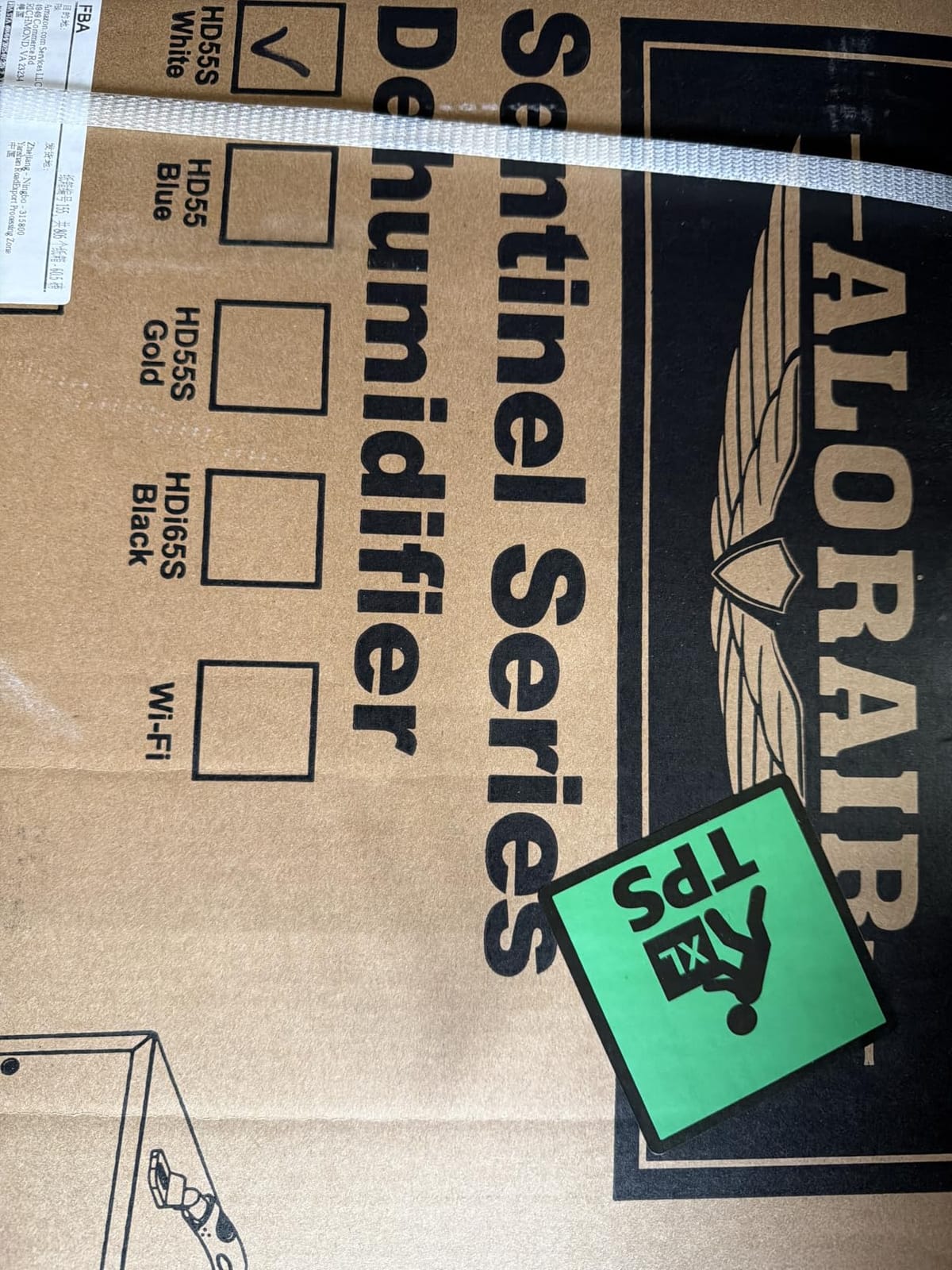
1. ALORAIR Sentinel HD55S – Best Overall Crawl Space Dehumidifier
ALORAIR 120 Pints Energy Star Crawlspace Dehumidifier, Sentinel HD55S
55 PPD at AHAM, 120 PPD saturation
130 CFM airflow
Covers 1300 sq. ft.
Pros
- Largest review base in this category with 1393 reviews
- Metal housing that survives crawl space handling
- Auto defrost works in cold mornings without odd cycling
- Continuous drain means no tank emptying
- Energy Star certified with no reported jump in power bills
Cons
- Gravity drain only so the unit must sit high enough to drain
- 41.7 lbs is a two-person carry through most crawl space openings
- Warranty terms are far shorter than the headline suggests
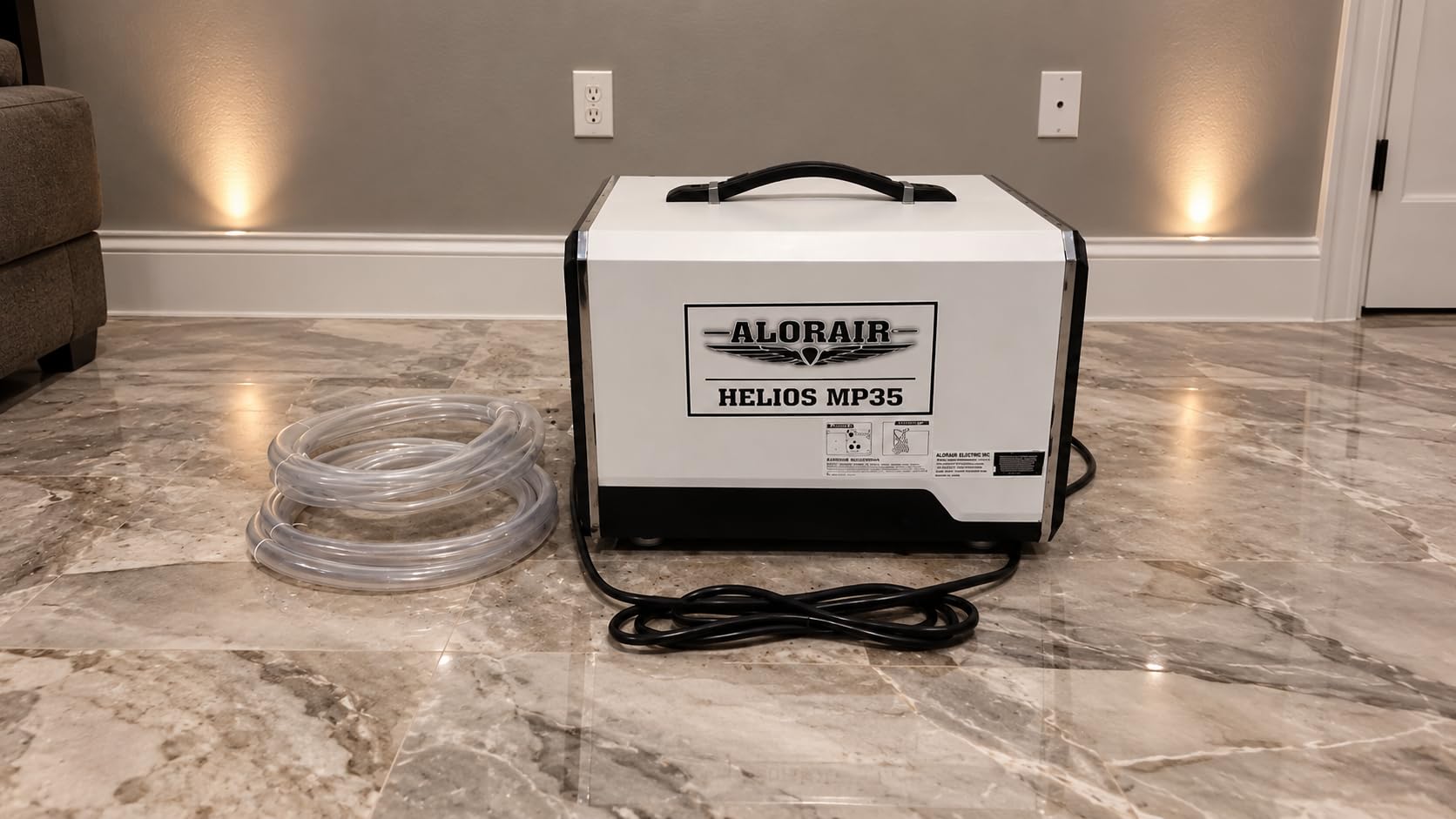
The Sentinel HD55S is the model we keep coming back to because its rating is the least glamorous and its evidence base is the deepest. At 1393 reviews and 4.2 stars, it is the most tested crawl space dehumidifier in this guide, and that long history is worth more than a half-star on paper from a product with a fraction of the history.
Owners consistently report the same result: a musty crawl space smell that disappears within a few weeks of the unit going in. That is what moisture removal looks like in practice, and the 130 CFM airflow figure is doing real work here rather than just padding a spec sheet.
Contractors on r/basement say they install ALORAIR models in crawl spaces repeatedly, and that clients accept them without argument. The metal housing is a genuine advantage in a dirt-floored space where a plastic shell gets marked by every rock and stub joist on the way in.
The catch is drainage. There is no built-in pump on this variant, so the unit needs a gravity line that actually falls, and the chassis at 13.3 inches tall is not as forgiving as some competitors. If your space has no high point, the Waykar 125 Pint in the next section handles that better.
Check the clearance before you commit
At 19.2 inches deep, 12.2 inches wide, and 13.3 inches tall, this is a standard low-profile crawl space chassis rather than an ultra-compact one. Measure the lowest point between your joists before you order, because the difference between 13 inches of headroom and 11 inches decides whether this model installs at all.
Owners also flag the weight. At 41.7 lbs it is manageable but not a one-person job through a small crawl space opening, and that physical handling is the single most common complaint in the reviews.
Who this fits and who should skip it
Choose the HD55S if you have a space up to about 1300 sq ft, a gravity drain route with real fall, and no freeze risk from a drain line exposed to winter air. It suits a coastal or humid-region foundation that stays above freezing most of the year.
Skip it if you need pumped drainage, if you are in a northern climate where winter temperatures are a genuine freeze concern, or if you cannot service the MERV-1 filter. A small share of owners also report refrigerant leaks within the first few years, though the manufacturer has been known to issue replacements when contacted.
2. Waykar 125 Pint with Pump – Best Drainage Flexibility
Waykar 125 Pint Crawl Space Dehumidifier with Pump & Drain Hose for Basements, Commercial & Water Damage Spaces up to 6500 Sq. Ft., Compact, Strong Dehumidification, 5-Year Quality Coverage
125 pints per day max
176 CFM circulation
Built-in pump lifts 16.4 ft
Adjustable 10-90 percent RH
Pros
- Built-in pump with a 16.4 ft lift removes any gravity drain requirement
- Rotary compressor design avoids the failure-prone piston type
- Compact housing fits tight crawl spaces
- Metal casing resists corrosion and dents
- 5-year compressor coverage with lifetime technical support
Cons
- Remote control panel sold separately rather than included
- Adjustable feet and washable filter add parts needing periodic attention
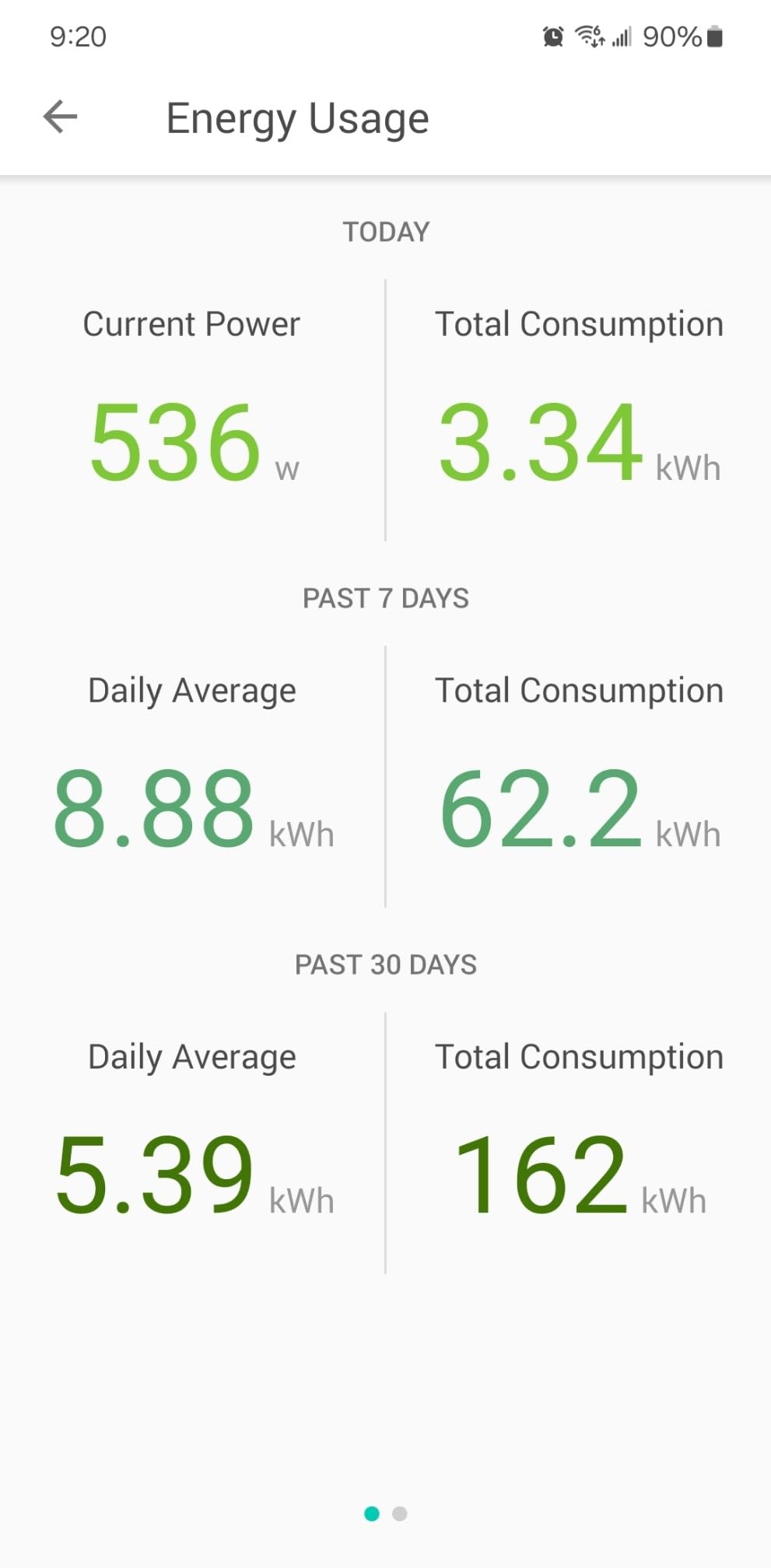
- 500-watt draw on continuous operation adds up over a full season
This unit solves the problem that kills most crawl space installations. A built-in pump that lifts 16.4 feet vertically means you can set the machine on a level pad on the dirt floor and still route the water out through a foundation wall to a sump or a daylight drain, which removes the entire slope problem.
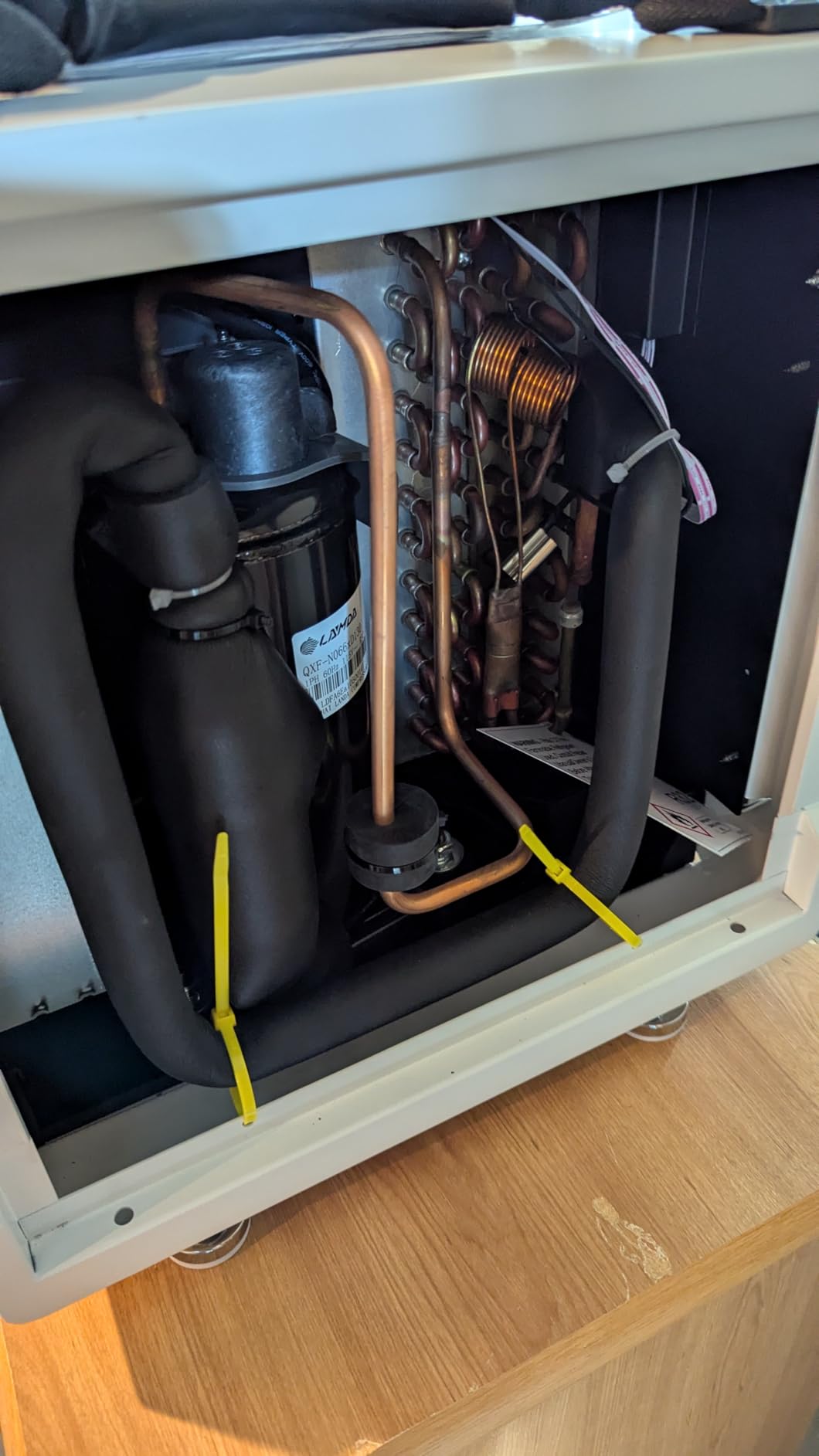
The rotary compressor is the detail we look for first in this class. Piston compressors, common in cheaper machines, are the component that fails most often in continuous unattended duty, and Waykar uses a rotary design that also improves energy efficiency by 5 to 10 percent.
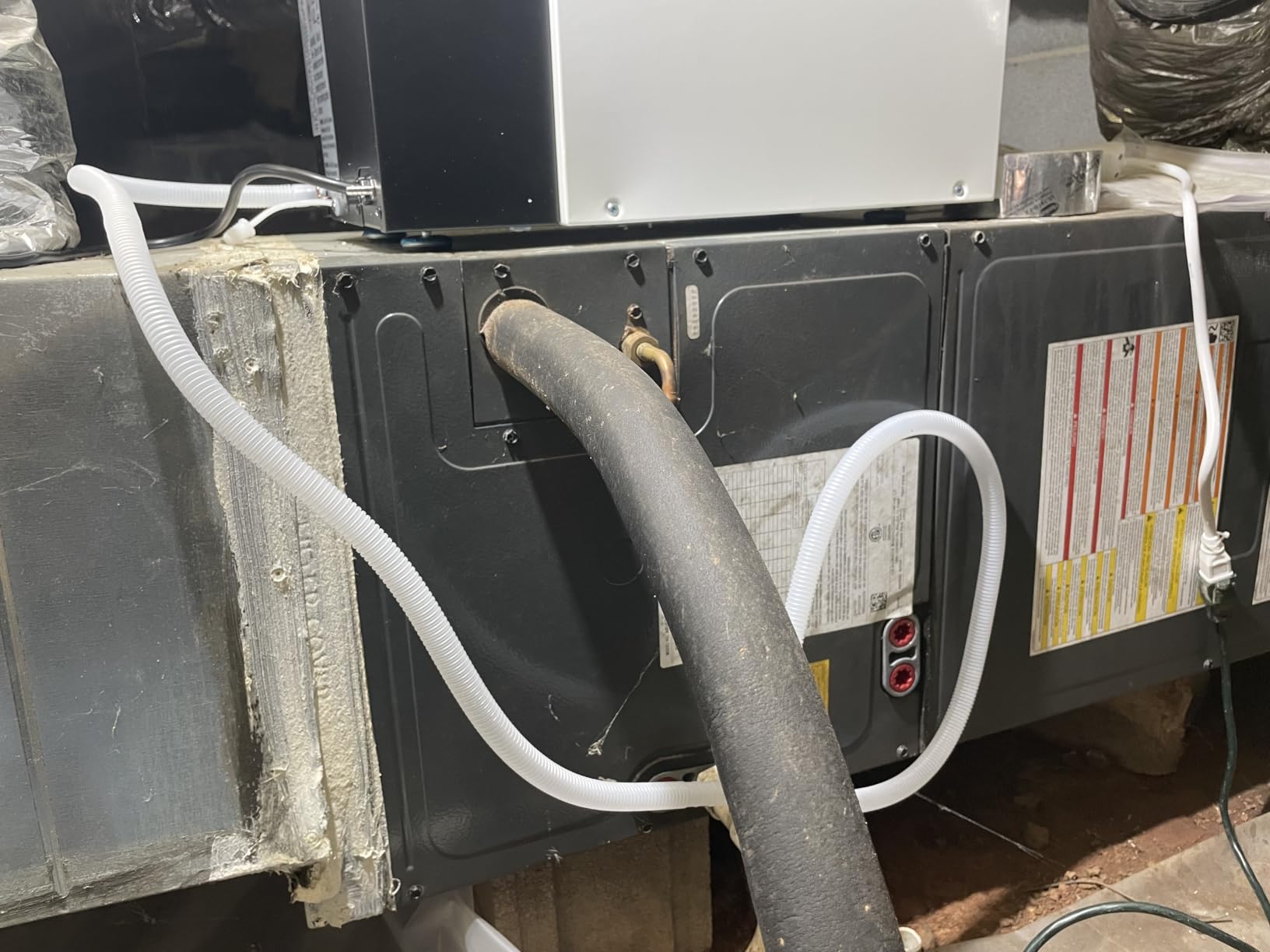
At 530 watts and a 10 to 90 percent RH adjustment range, it is efficient for its output and gives you unusually fine control over the setpoint. The 176.47 CFM circulation figure sits comfortably in the range you want for a space up to about 1500 sq ft of real crawl area.
Support is another differentiator. Waykar offers lifetime expert technical support and five years of compressor coverage, and owners in the reviews describe the company resolving failures with replacements once engaged, which is more than several competitors in this guide manage.
Think hard about the coverage number
The listing claims 6500 sq ft of coverage, and that is a theoretical figure at high humidity and high temperature. Size on the AHAM rated capacity instead, and treat the square footage as a ceiling rather than a target. In a cool crawl space, real output lands well below the headline.
Before you buy, walk the drain route. The 16.4 ft pump hose plus a 6.6 ft gravity hose gives you options, but a long run to a daylight outlet still needs a fall, and adding a 5.9-inch ducted exhaust collar changes the airflow math entirely.
Who this fits and who should skip it
Pick the Waykar 125 Pint if your crawl space floor is flat, if gravity drainage would be a nightmare to run, or if you want a set-and-forget machine for a coastal or high-humidity region. It is also a sensible second machine for a very large foundation that needs two units.
Skip it if you need the remote panel and do not want to buy it separately, or if you are installing in a space with severe joist clearance limits where even this compact 13.58-inch-tall chassis will not fit. The 49.8 lb weight is also a real consideration for access.
3. ALORAIR Sentinel HD35P – Best Budget Crawl Space Dehumidifier
ALORAIR 70 PPD Dehumidifier with Pump for Crawl Space and Basement
35 PPD at AHAM, 70 PPD at saturation
Pump lifts 19.6 ft
Under 50 dB
1000 sq. ft.
Pros
- Lowest cost entry point that still includes a built-in condensate pump
- Pump lifts 19.6 ft so the unit works on a level floor
- Compact 15.2 x 11.2 x 11.4 in body suits tight spaces
- Operates under 50 dB
- Auto restart and auto defrost reduce supervision
Cons
- 70-pint capacity is well below the 120 and 198 pint class leaders
- Only rated for areas up to 1000 sq. ft.
- 4.0 star average with a 16 percent one-star share
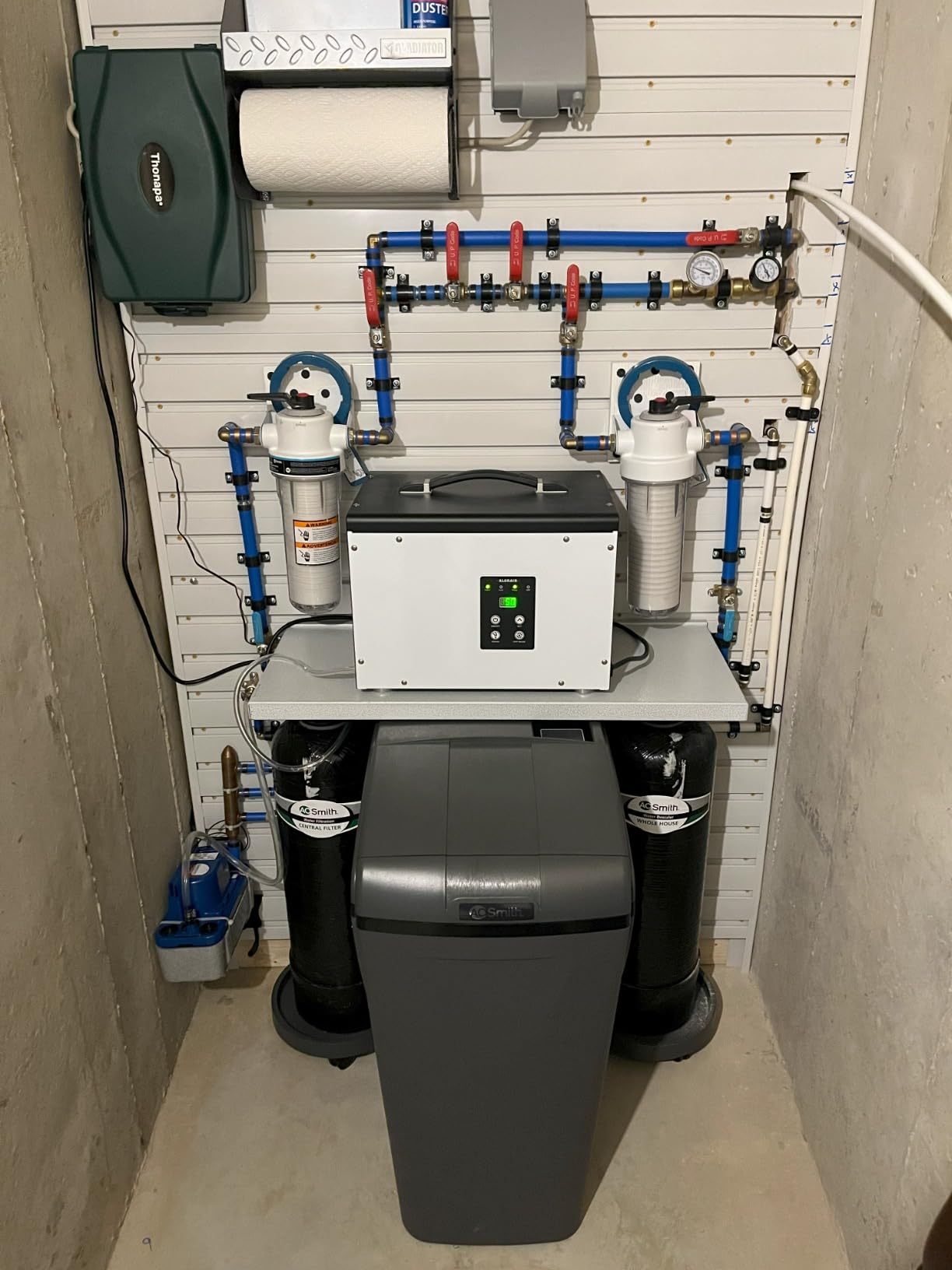
If your crawl space is under 1000 sq ft and you want pumped drainage without spending heavily, this is the model. The built-in pump lifts 19.6 feet, tied for the best vertical lift in the guide, and a 19.6 ft drain hose is included in the box.
At 38.2 lbs and 15.2 inches deep, it is also the easiest unit here to carry through a tight crawl space opening, which matters more than most spec sheets admit. A machine you can get into the space is worth more than a larger one you cannot.
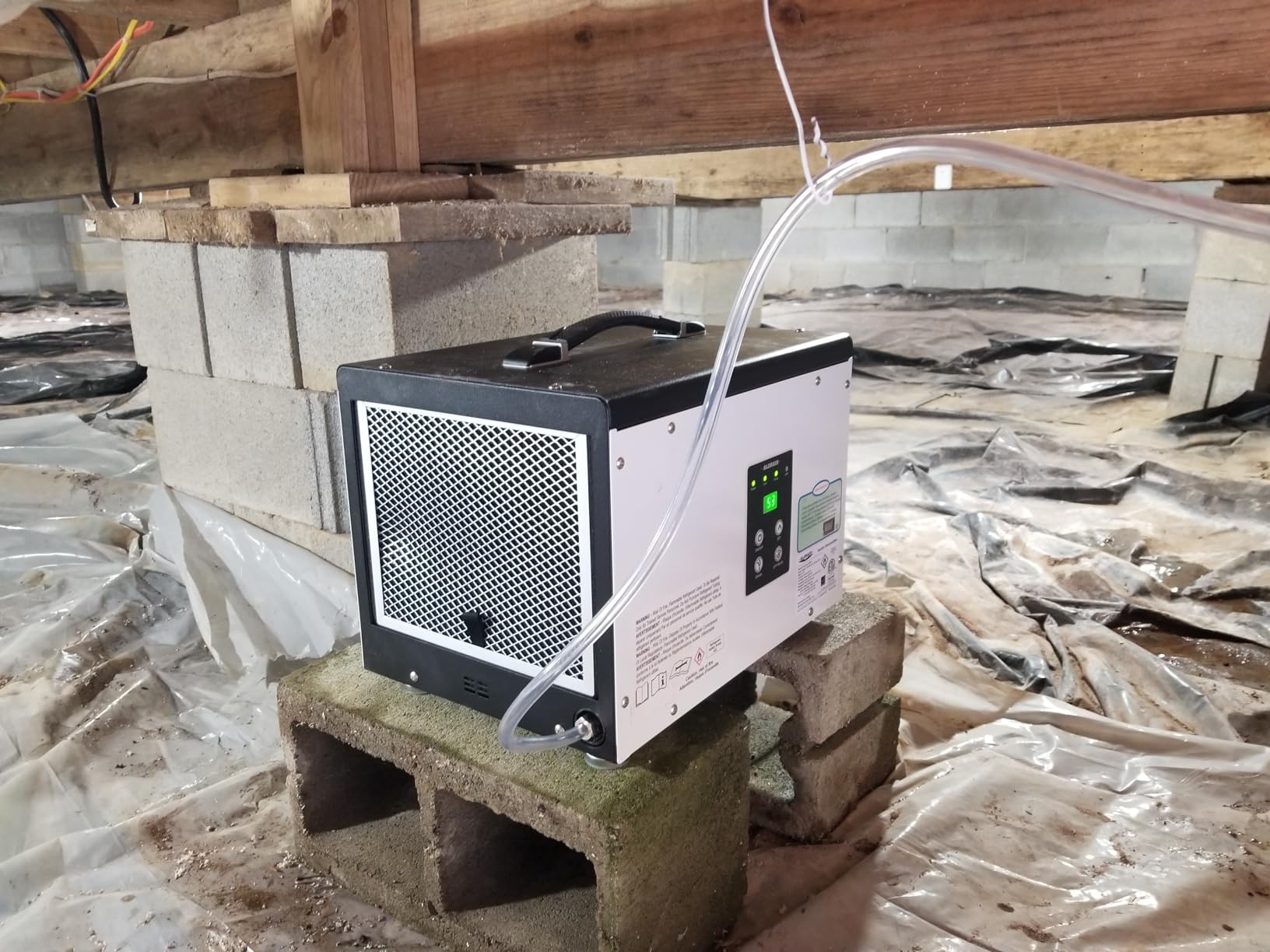
Running under 50 dB and holding auto defrost makes it a good neighbour for a space beneath living quarters. Owners report it stopping and restarting cleanly around a humidistat setpoint without the short-cycling that plagues cheaper residential units.
The 4.0 star average with a 16 percent one-star share is the honest caveat. That is the highest one-star share among the ALORAIR models here, and the complaints cluster around early-life failure and support friction rather than day-to-day performance.
Know the size limit before you order
One thousand square feet of rated coverage is the ceiling, and in a cool crawl space real output sits below the 35 PPD AHAM figure. If your space is larger than that, or if you are in a region with a long humid season, size up rather than plan to run this one at continuous duty.
Also check your headroom. At 11.4 inches tall this is one of the shortest chassis here, which is a genuine advantage under shallow joists where a 13-inch unit will not sit flat.
Who this fits and who should skip it
Choose the HD35P for a small crawl space on a flat floor, a tight access opening, and a budget that will not stretch to the commercial class. It is also a good second unit for a large foundation split into multiple bays.
Skip it for a large foundation, a post-flood restoration job, or any situation where uptime matters more than purchase outlay. If reliability at 50 percent RH is your priority, a unit with a higher rating and a longer review history is the safer bet.
4. Moiswell Defender M145 – Best Value for Low Joist Clearance
Moiswell 155 Pint Commercial Dehumidifier with Drain Hose for Crawl Spaces
70 PPD at AHAM, 155 PPD at max
265 CFM airflow
22.5 in low-clearance chassis
Up to 6000 sq. ft.
Pros
- 265 CFM airflow
- matching the top figure in this group
- Low-clearance horizontal body designed to sit between floor joists
- Supports overhead mounting in shallow crawl spaces
- Energy Star certified to offset running cost
- 4.5 stars with 78 percent five-star ratings and only 6 percent one-star
Cons
- Gravity drain only so the unit must sit above a drain or low point
- 63 lbs is heavy for a crawl space install
- Newer brand with a shorter track record than ALORAIR or Waykar
When your crawl space is shallower than the unit you want, airflow and chassis height become the deciding specs. The Defender M145 answers both, with 265 CFM at 22.5 by 14 by 14.7 inches and an installation position designed to sit between floor joists or hang overhead from them.
That 265 CFM figure is the highest rated airflow in our list, and it matters more than headline pints. Air that does not move does not pick up moisture, and airflow is the difference between a crawl space drying evenly and a machine that dehumidifies only its own corner.
It also carries a 24-hour timer, auto drain, auto defrost, and auto restart after a power interruption, so the set-and-forget automation is complete. At 70 PPD rated and 155 PPD maximum, it pairs well with mid-size spaces between about 1000 and 1800 sq ft.
Energy Star certification matters for a machine that will run for years on a humidistat cycle. When the compressor cycles on and off all day in a warm season, efficiency is the line item that decides your operating cost.
Plan the mount before the purchase
Overhead mounting saves valuable floor area in a shallow space, but it changes the drain plan. Suspended, the unit cannot rely on gravity to a nearby low point without a fall from its height, so plan the outlet line and the wall penetration together.
At 63 lbs this is a two-person carry for most installs. If you are working alone, budget for a hand truck or a helper, and measure the access opening before the unit arrives.
Who this fits and who should skip it
Pick the Defender M145 when headroom is the binding constraint, when you want maximum airflow in a moderate space, and when a level floor is not available for a pumped unit to sit on. It suits a mid-size sealed crawl space that needs a mid-size machine.
Skip it if you need pumped drainage, if you want the longest established service history, or if the 63 lb weight is a problem for your access route. The pump-equipped Defender MP70 covers the drainage gap if you need both features.
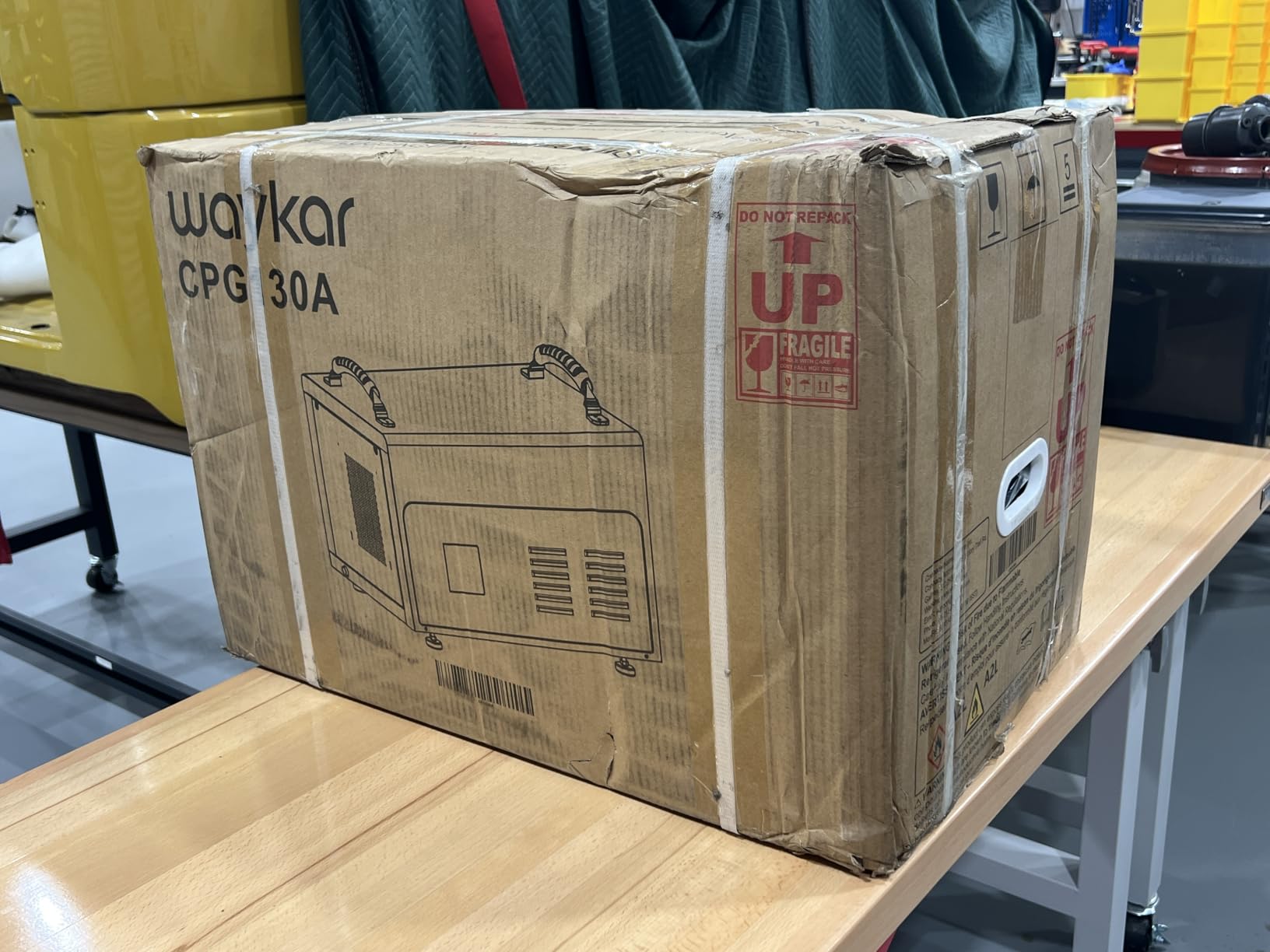
5. Waykar 158 Pint Dual Duct – Best for HVAC Integration
Waykar 158 Pints Crawl Space Dehumidifier with Remote Control, Dual Duct
158 pints max, 206 CFM airflow
Dual duct inlets and outlets
Remote panel and 16.4 ft sensor
Up to 6500 sq. ft.
Pros
- Dual duct design with separate inlet and outlet supports whole-house dehumidification
- Remote panel and remote humidity sensor mean you never crawl in to check
- Reported quieter than expected for a commercial-grade unit
- Strong moisture removal in genuinely humid Southeast crawl spaces
- Ceiling-mount hooks and washable filter add placement flexibility
Cons
- Manual requires roughly 39 inches of clearance above and around the unit
- 69.3 lbs is the heaviest portable model here and needs two people
- Control board and sensor failures reported by some owners after about a year
- Frost buildup at the intake after extended continuous use
This is the only model here built to serve the whole house. Separate ducted inlet and outlet collars let you tie the unit into your HVAC return so it pulls air from the living space as well as the crawl space, which is the right answer when the same dampness shows up in upstairs closets.
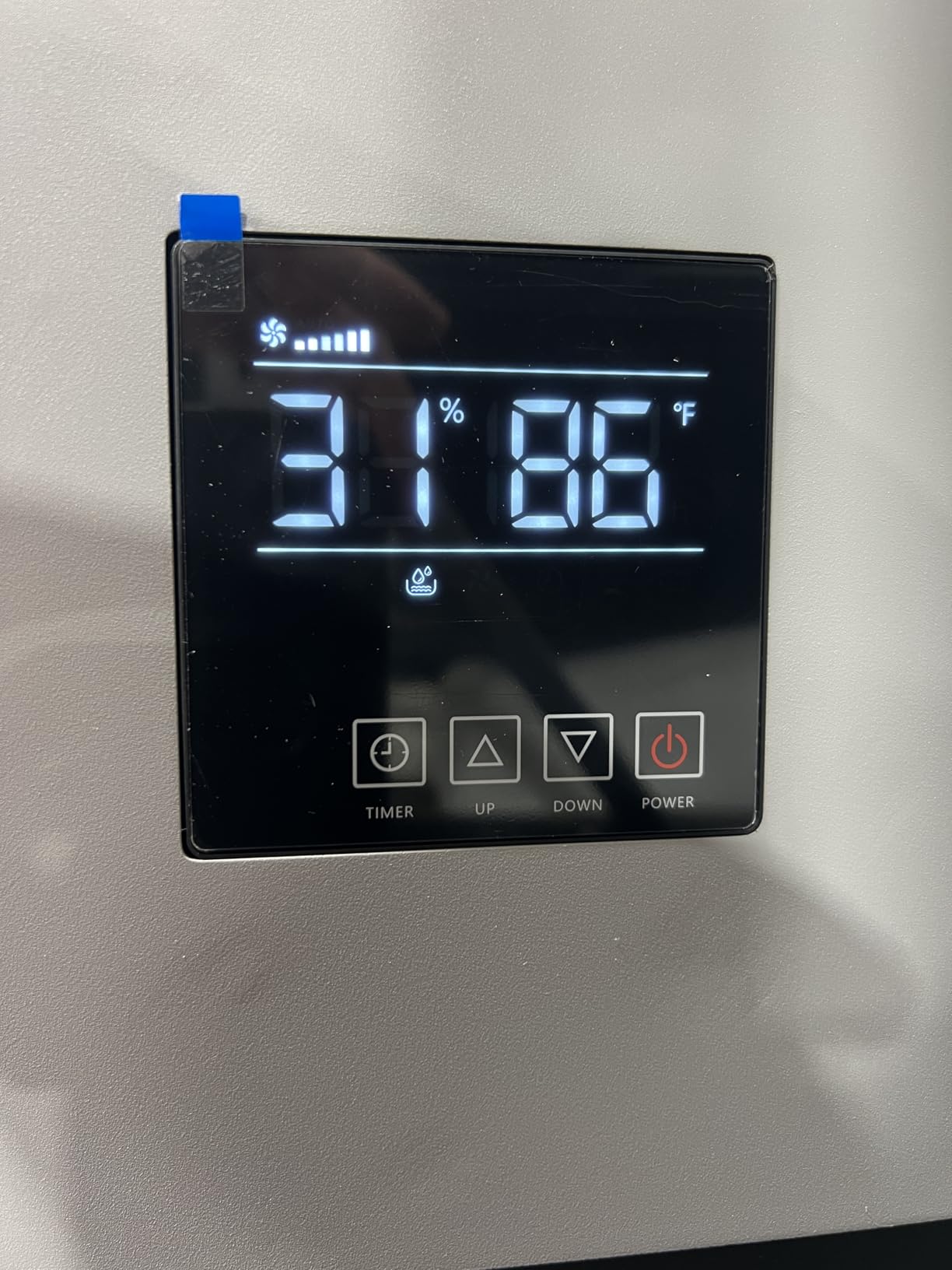
The remote control panel and 16.4 ft remote humidity sensor are the quiet hero features. Instead of guessing at a setpoint you cannot see, you place the sensor near the framing you care about and read the actual number from inside the house, which is exactly the approach r/hvacadvice recommends.
At 158 pints and 206 CFM with a brushless motor and 530 watt draw, it is efficient for its class. Auto defrost, power-off memory, a 24-hour timer, and continuous drainage cover unattended operation.
Owners also report far lower noise than expected for a machine this size, and strong service from Waykar once a failure is raised, including free replacements on some units.
Measure your clearance twice
The manufacturer specifies roughly 39 inches of clearance above and around the unit. That single requirement disqualifies this model in many standard crawl spaces, and several owners found out only after delivery. Check the manual figure against your actual headroom before anything else.
At 69.3 lbs and 17.57 inches tall, it is also the heaviest portable option here. If access is tight, the 158 pint class in a smaller chassis may suit you better.
Who this fits and who should skip it
Choose the 158 Pint Dual Duct if you want one machine to handle both the crawl space and conditioned living areas, if you have the clearance to mount it, and if wiring a control panel to a sensor is a job you are comfortable with.
Skip it in a shallow space, if you want a simple stand-alone install with no duct work, or if you are uncomfortable routing wires in an unfinished area. For a crawl space only, a lighter gravity or pump unit is the simpler answer.
6. Airecoler GT-X5 – Best Gravity Drainage Setup
Airecoler 125 Pints Commercial Dehumidifier for Crawl Space & Basement
60 PPD at AHAM, 125 pints per day max
265 CFM airflow
R32 refrigerant system
Joist-suspension mounting
Pros
- 265 CFM airflow at a mid price point
- 19.2 x 12.2 x 13.4 in body mounts free
- on a shelf
- or between joists
- R32 refrigerant lowers power consumption
- 4.4 stars with 74 percent five-star and only 5 percent one-star ratings
- Full automation with auto drain
- defrost
- timer
- continuous mode
- and restart
Cons
- This specific variant is the no-pump version
- so drainage is gravity only
- 50 lbs is a two-person lift in most crawl spaces
- Smaller review base than the ALORAIR and Waykar options
The GT-X5 is a good middle of the market option when you have a gravity drain route worked out and want strong airflow without stepping up to the 155 and 198 pint commercial machines. It delivers 265 CFM and 60 PPD at AHAM in a 19.2 by 12.2 by 13.4 inch body.
The R32 refrigerant system is worth noting for a machine on continuous humidistat duty. Lower power consumption per pint of water removed is exactly what you want in a space that will run for a decade.
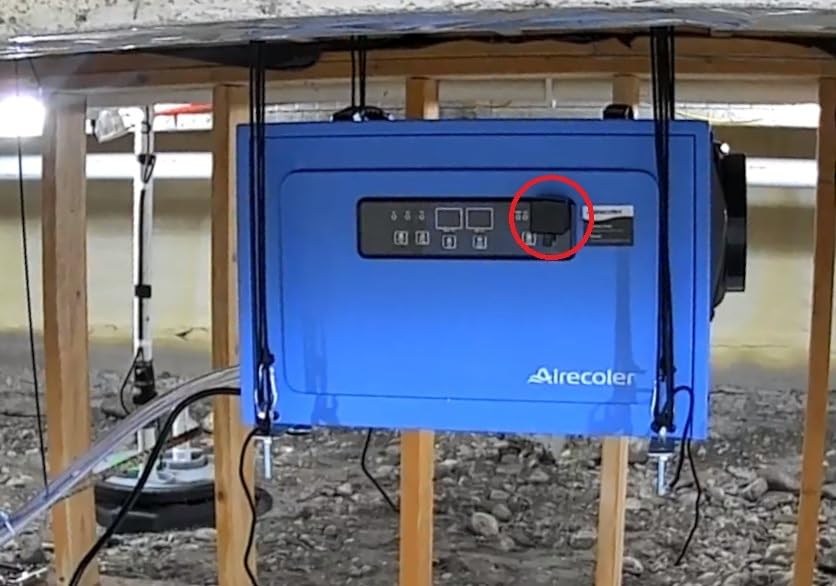
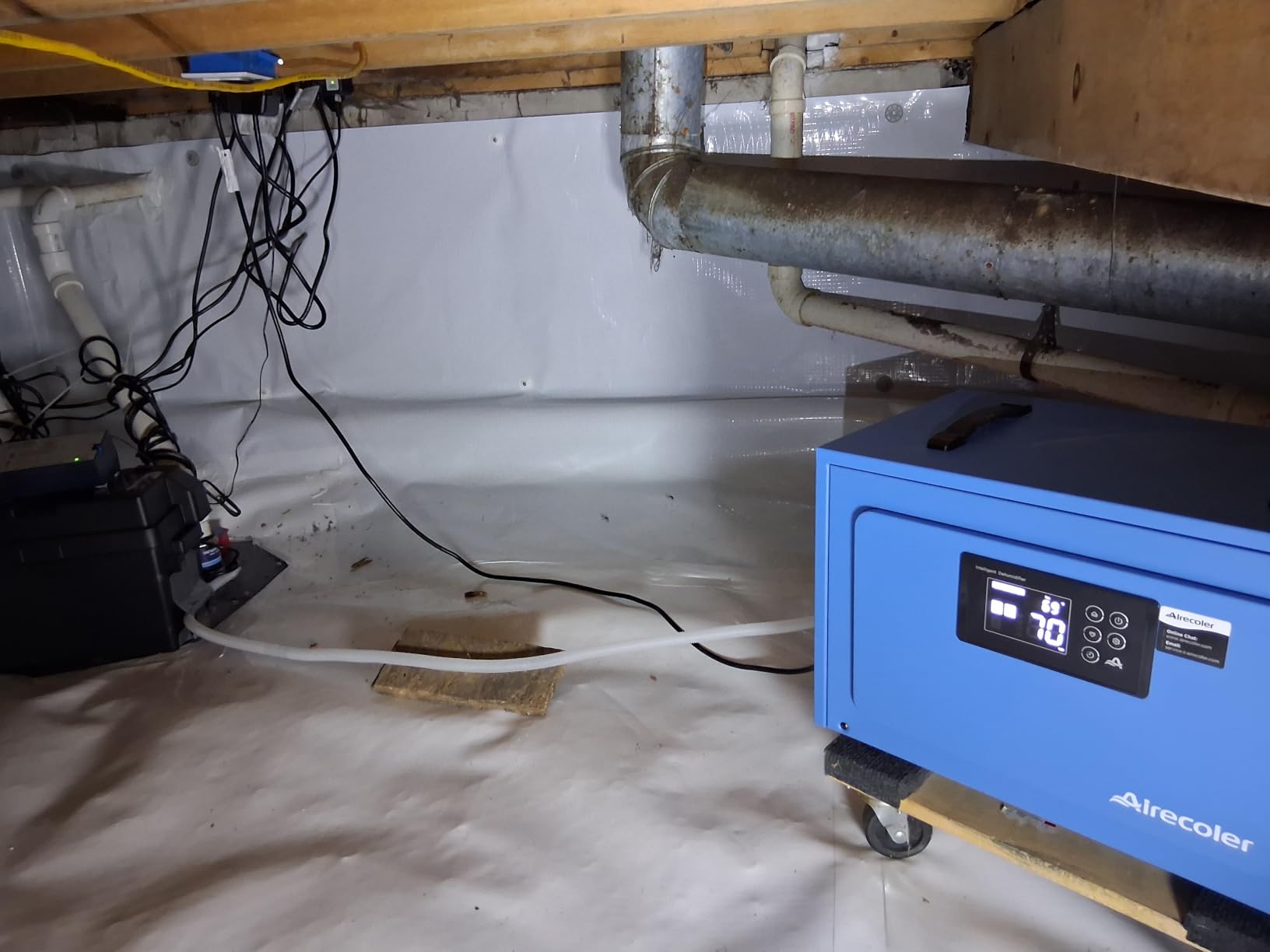
Mounting options are unusually flexible for this class. It can sit freestanding, on a shelf above the dirt floor, or suspended between joists, which makes it a good answer when the only level surface is a narrow ledge.
Review sentiment is strong, with 74 percent five-star ratings and a 5 percent one-star share, the lowest one-star rate among the models we ranked in the middle of the list.
Confirm you are buying the pumped or non-pumped variant
This listing is the gravity-only version. Pump-equipped 125 pint and 170 pint variants exist in the same family, and if you might change your mind about the drain route later, buying the pumped version now costs you nothing in capacity and saves a replacement later.
Gravity drainage also depends on a real fall. Measure the vertical drop available from the outlet to your drain point and divide by the run length, aiming for at least a quarter inch of drop per ten feet.
Who this fits and who should skip it
Choose the GT-X5 for a space between about 1000 and 1800 sq ft with a workable gravity drain, a mid-range budget, and a preference for strong airflow over maximum pintage. It also suits shelf or joist-mounted installs where floor level is hard to find.
Skip it if your drain route is flat or long, if you need the highest capacity available, or if you want the deepest review history. Owners wanting both pumping and high capacity should look at the Moiswell Defender MP70 instead.
7. Moiswell Defender MP70 – Best for Large Spaces With a Pump
155 Pints Commercial Dehumidifier with Pump for Crawl Space
70 PPD at AHAM, 155 pints at saturation
206 CFM airflow
Built-in pump lifts 16.5 ft
Up to 6000 sq. ft.
Pros
- Highest rated average in the guide at 4.6 stars with 82 percent five-star reviews
- Built-in pump lifts condensate 16.5 ft for hands-free drainage anywhere
- Energy Star certified with a strong 2.01 L/kWh efficiency figure
- Compact chassis built for floor joist and crawl space dimensions
- Handles both gravity and pump drainage for flexible install layouts
Cons
- Highest wattage in this group at 1050 watts
- which raises operating cost against 530-watt models
- 62.2 lbs is heavy for a crawl space install
- Only 203 reviews
- so the rating is less well proven
The Defender MP70 is the pumped counterpart to the M145, and it is the rare unit that pairs high capacity with a built-in pump. With 155 pints at saturation, 70 PPD at AHAM, and 206 CFM, it covers up to 6000 sq ft while still draining itself.
That combination is what makes it useful for larger foundations where gravity drainage is impractical. The pump pushes condensate sideways or vertically up to 16.5 ft, so a flat dirt floor and a long run to a sump are not a problem.
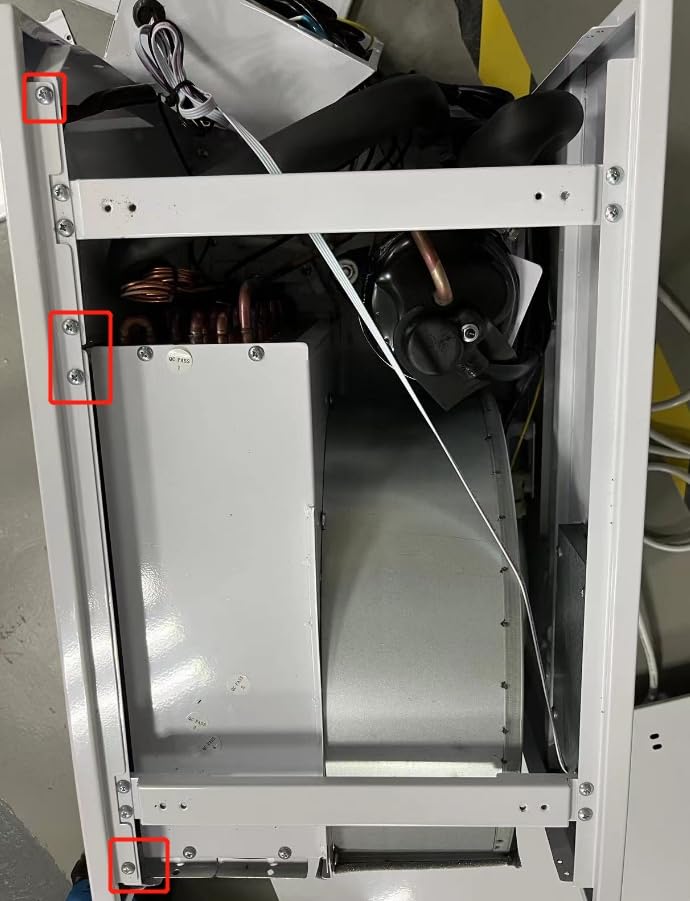
Energy Star certification with an integrated energy factor of 2.01 L/kWh is genuinely strong for a 1050 watt machine. Despite the higher wattage, the efficiency rating means you are not paying for the extra capacity at the meter every hour it runs.
At 24.3 by 14.37 by 15.11 inches, the chassis is roughly 40 percent smaller than typical vertical dehumidifiers, which is a deliberate choice for fitting between joists and inside tight foundations.
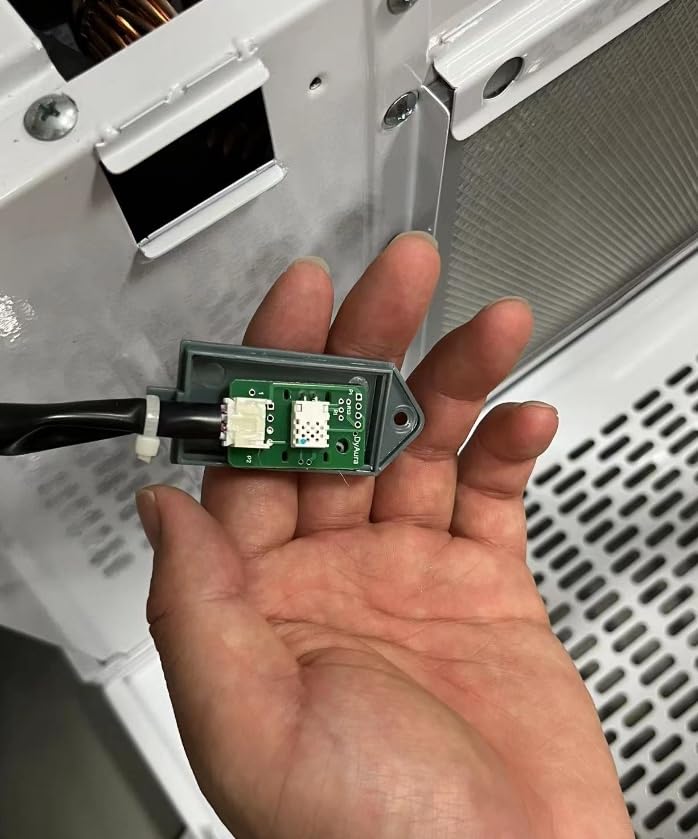
Read the capacity fields carefully
The listing data is internally inconsistent, with a 145-pint tank volume field against a 155-pint headline. The 70 PPD at AHAM figure is the one to size on, and the 6000 sq ft coverage number is a ceiling under ideal conditions rather than a promise.
Running cost is the other factor. At 1050 watts this is a meaningfully higher draw than the 530-watt Waykar models, so pair it with a properly set humidistat and you will be running it far less than its wattage suggests.
Who this fits and who should skip it
Pick the MP70 for a large sealed crawl space where you need both high capacity and pumped drainage, and for a flat floor where gravity fall is not available. It also handles post-flood dryout duties in a closed structure well.
Skip it if your space is under 1200 sq ft, where a smaller pump unit does the same job for a fraction of the power draw, or if the 62.2 lb weight is a problem. With only 203 reviews, its 4.6 rating is less proven than the lower-rated but more tested alternatives.
8. Abestorm Guardian SN35P – Best for Very Tight Crawl Spaces
Abestorm 70 PPD Dehumidifier with Pump & Hose for Crawl Space & Basement
35 PPD at AHAM, 70 pints per day
Built-in pump lifts 19.6 ft
Auto defrost and auto restart
Up to 1000 sq. ft.
Pros
- Compact 15.2 x 11.4 x 11.2 in footprint suited to tight crawl spaces
- Pump with 19.6 ft lift plus a gravity drain alternative
- Owners report it holding a crawl space near 45-50 percent RH
- Solid metal construction compared with plastic residential units
- Free replacement filters and responsive service reported by several owners
Cons
- Only 70-pint capacity for 1000 sq. ft.
- so larger spaces need a bigger machine
- Pump is audible when it activates and slightly louder than expected
- Refrigerant leaks and total failures reported at roughly 6 and 16 months
- Warranty service can require customer-paid return shipping
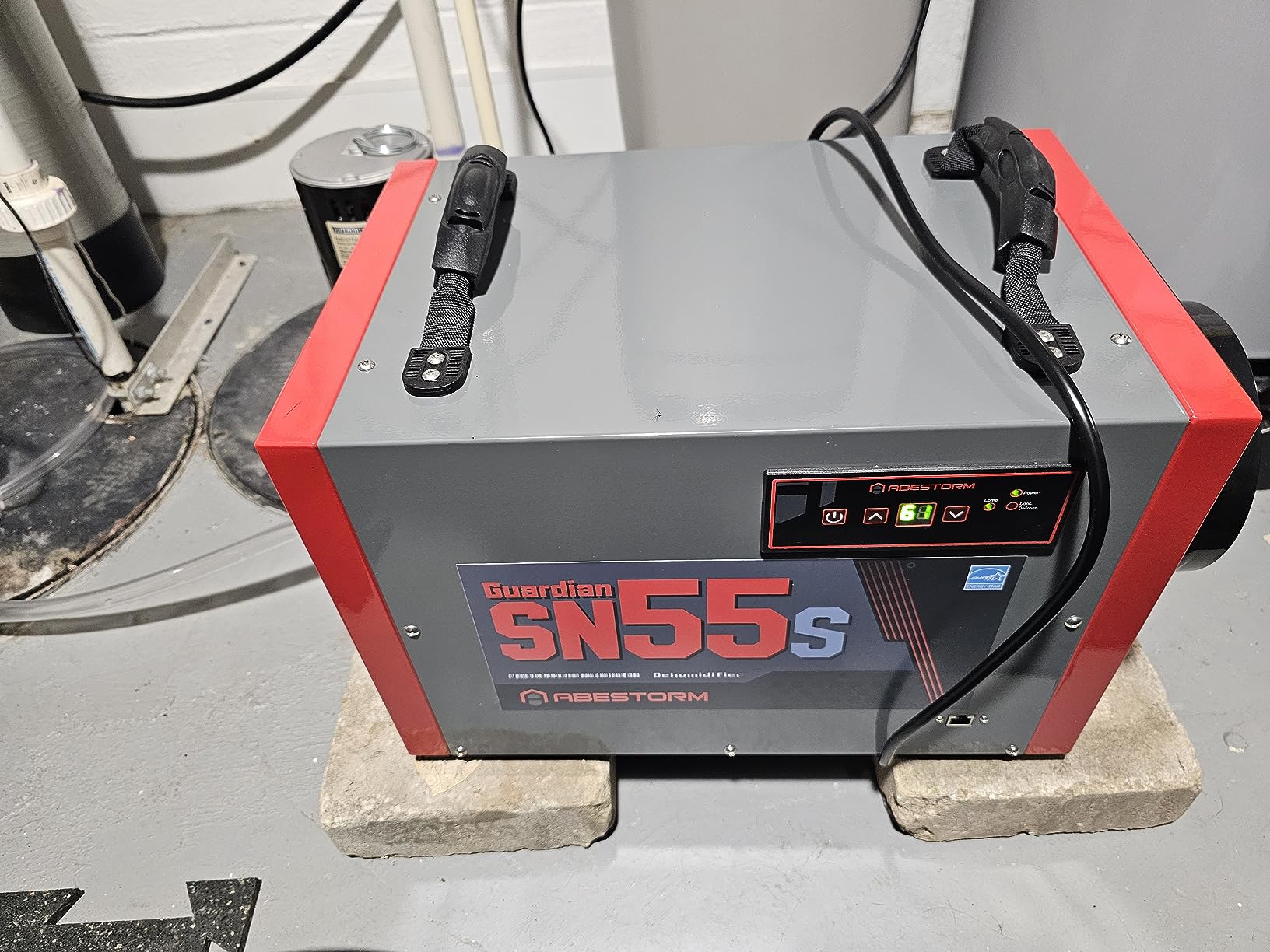
Where the Abestorm Guardian wins is size. At 15.2 by 11.4 by 11.2 inches it is one of the smallest footprints here, and it still carries a built-in pump with a 19.6 ft lift plus a gravity drain alternative on the same unit.
Owners with a properly sized space report it holding relative humidity near 45 to 50 percent, which is the target band. That is the machine doing its job in the way the manual intends, not just running continuously and removing a little moisture.
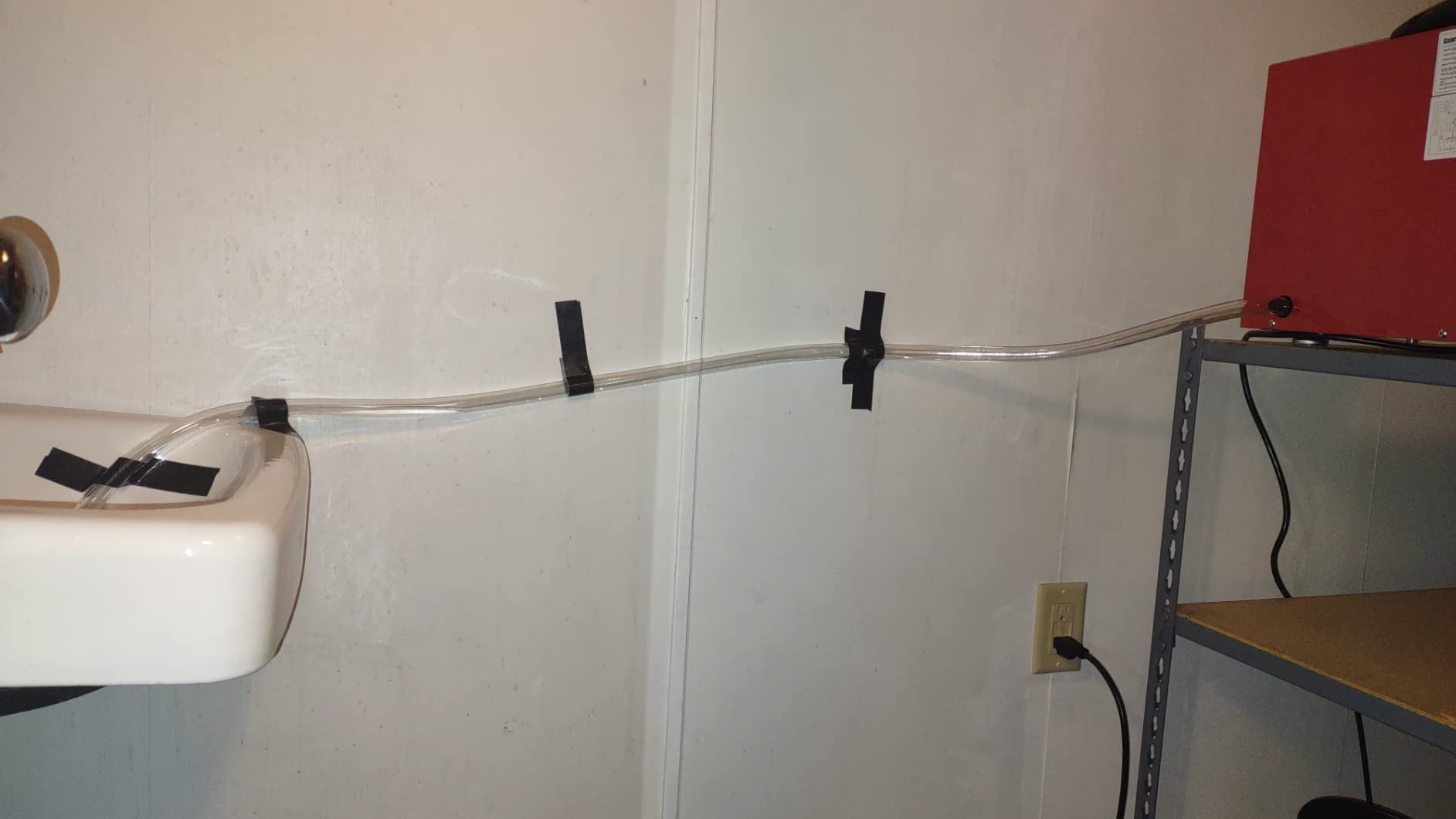
Auto defrost with temperature sensors stops the compressor and keeps the fan running to clear frost, and auto restart resumes the cycle after an interruption, which matters in a space that loses power often.
The build is metal rather than the plastic used in residential units, a meaningful difference in a dirt-floored space over a decade of service. Several owners also report free replacement filters and responsive service.
Check the warranty terms before you commit
Warranty service can require customer-paid return shipping on a 38 lb unit, and several owners describe needing to post a public review before service moved forward. That is a real cost line that is easy to miss until the unit fails.
The 4.0 star average and 16 percent one-star share trace back to early-life refrigerant failures reported at around six and 16 months. Owners who stay with the unit generally rate it well, so the risk is concentrated in the first two years.
Who this fits and who should skip it
Choose the Guardian for a small crawl space under 1000 sq ft with very tight headroom and a flat floor, where a pump and a small footprint both matter. It also works well as a second unit covering a second bay.
Skip it if long-term reliability matters more than the purchase price, if you cannot accept a possible return shipping cost, or if your space is larger than 1000 sq ft. For a big space with tight clearance, a high-airflow unit like the Moiswell Defender M145 is the better shape.
9. ALORAIR Storm LGR Extreme – Best for Post-Flood Dryout
ALORAIR 180 PPD Commercial Dehumidifier with Pump, 6-Year Limited Warranty
85 PPD at AHAM, 180 PPD at saturation
210 CFM high airflow
LGR refrigerant technology
Built-in pump with 19.6 ft hose
Pros
- LGR refrigerant holds output in low-humidity conditions where standard units stall
- 210 CFM airflow produced dramatic drying in a damp crawl space
- Built-in pump with 19.6 ft hose and 14.7 ft vertical lift
- Detailed digital readout with GPP
- coil temperature
- amperage
- and run hours
- Compact for a 180-pint machine and quiet enough for a finished basement
Cons
- Several owners report refrigerant leaks at the 15 to 20 month mark
- Internal pump is hard to service and the case must be disassembled
- Warranty service has required customer-paid return shipping
- Heavy at 64.3 lbs and the plastic housing marks easily
- 4.0 star average with a 16 percent one-star share
The Storm LGR Extreme is the specialist choice for water damage restoration and for anyone chasing humidity levels below what a standard compressor unit can hold. LGR refrigerant technology is the reason, since conventional machines lose efficiency as relative humidity drops.
The diagnostic display is the feature restoration contractors care about. It shows GPP, inlet and outlet temperature and humidity, coil temperature, compressor and total amperage, and run hours, which turns a guess about whether the machine is performing into an actual reading.
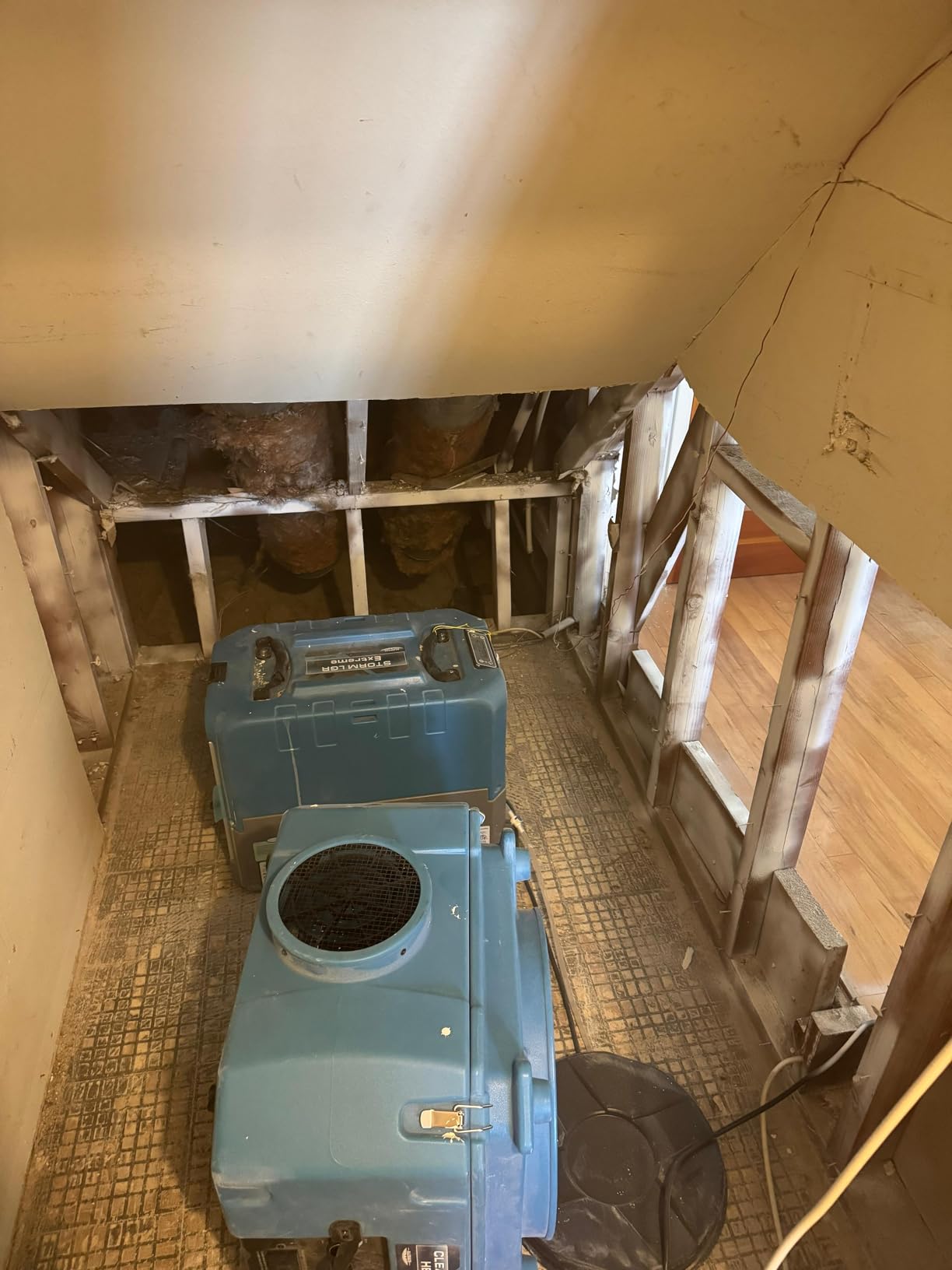
At 180 PPD saturation, 85 PPD at AHAM, and 210 CFM, it sits at the top of the capacity range in this guide. Owners report a damp crawl space drying dramatically within the first two days of operation.
The built-in pump with a 19.6 ft hose and 14.7 ft vertical lift makes drainage set and forget, and ALORAIR support has resolved errors like faulty thermistors and coil sensors by shipping parts, which reduces downtime on a job you are paying for by the day.
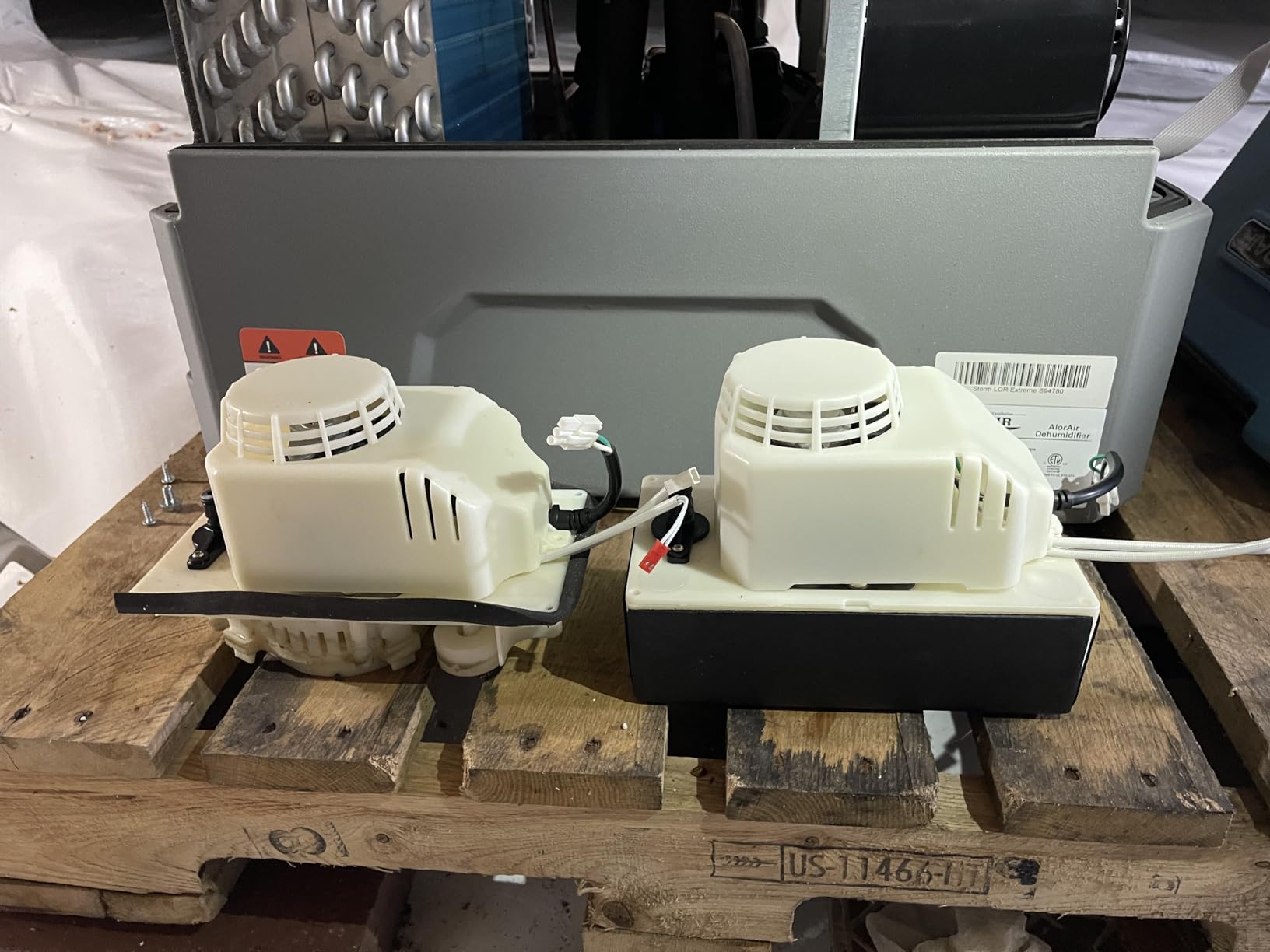
Read the durability complaints before you buy
Durability is the dominant negative theme in the reviews, with a meaningful share of owners reporting refrigerant leaks within 15 to 20 months. Plan for a service visit in year two and treat the machine as a tool rather than a permanent appliance.
The internal pump design also makes maintenance a burden. The case has to be disassembled and the filter cleaned three times a year, and warranty work has historically required you to pay return shipping to a California facility.
Who this fits and who should skip it
Pick the Storm LGR Extreme for post-flood dryout, insurance restoration work, or a crawl space you need pushed below 50 percent RH for drying. It also serves a home with a finished basement where you want one machine for both spaces.
Skip it as a set-and-forget lifetime install if you will not maintain the filter or handle service logistics. For steady-state moisture control at a moderate setpoint, a lower-wattage Energy Star unit will cost you less to run over a decade.
10. BaseAire AirWerx 90X – Maximum Capacity for Large Foundations
BaseAire 198 Pints Commercial Dehumidifier with Pump for 2,600 sq. ft
198 PPD at saturation, 90 PPD rated
210 CFM airflow
Built-in pump lifts 14.7 ft
58 dB(A) peak noise
Pros
- Highest raw removal capacity in this set at 198 PPD saturation
- Reported as effectively silent unless standing directly beside it
- Built-in pump with 14.7 ft lift drains to a remote sump or PVC line
- Wired remote controller over Cat5 for monitoring from inside the home
- Holds setpoint humidity within a degree or two for owners running it under the house
Cons
- Heaviest unit here at 70.5 lbs
- Remote controller is sold separately
- One owner reported a blower motor failure after about a month and a half
- Smallest review base in the ranking at 146 reviews
The AirWerx 90X is the end of the capacity scale, rated at 90 PPD and 198 PPD at saturation with 210 CFM airflow. For a foundation above 2500 sq ft, or for pulling a large space down after a flood, nothing else here moves that much water.
Owners are unusually enthusiastic about the noise, describing it as effectively silent unless you are standing next to it. That tracks with the 58 dB(A) peak figure, and in a crawl space beneath living space the operating noise is not really a purchase factor.
The wired remote controller over a Cat5 cable is a genuinely useful detail for a machine under a house. You set and monitor from inside the living space instead of crawling in with a flashlight, and the unit holds its setpoint within a degree or two.
The built-in pump with a 14.7 ft lift lets owners drain to a remote sump or a PVC line, and auto stop at target humidity plus auto restart after interruption cover the basics of unattended operation.
Confirm the drain point before the unit arrives
A 14.7 ft pump lift covers most foundation walls, but measure the actual vertical distance from your intended pad to the sump or daylight drain. If it is greater, plan on a gravity assist or a different drain point rather than discovering the shortfall on install day.
Also note that the condensate pump only engages once an internal reservoir fills. Early in a drying job that means the first hour can look like nothing is draining at all, which surprises owners who have not seen the machine before.
Who this fits and who should skip it
Choose the AirWerx 90X for a very large foundation above 2500 sq ft, for a multi-bay house where one unit per bay is impractical, or for a serious water event where time matters more than electricity cost.
Skip it for a space under 2000 sq ft, where the 90 PPD rating is unnecessary and the 70.5 lb weight is a real problem. It is also a heavy two-person install, and a smaller unit per bay is often the easier service arrangement.
Do You Actually Need a Dehumidifier?
A dehumidifier is worth installing when relative humidity in your crawl space sits above 60 percent for sustained periods, when you see condensation on rim joists or ducts, or when a moisture meter pushed into the framing reads high. Those are the symptoms that lead to rot and mold, and they are not going to resolve on their own in most foundations.
It is not worth installing when the problem is bulk water. An active leak, groundwater intrusion, or roof runoff into the foundation has to be fixed at the source, because no machine sized for a crawl space will outrun a continuous water source. Our picks for the best sump pumps for crawl spaces cover that side of the problem.
Measure before you commit. Put a hygrometer near the framing for a week before buying anything, and read it in the morning before the unit warms up. Owners on r/hvacadvice also recommend checking wood moisture content directly with a pin meter, since relative humidity alone can flatter you in a space with a thermal bridge.
Encapsulation Comes First
A dehumidifier working inside a vented crawl space is running a losing game. Foundation vents pull in humid outside air all summer, and the machine spends its capacity removing moisture that arrives continuously rather than the moisture already in the soil.
Encapsulation means closing the vents permanently and laying 6-mil polyethylene over the soil, with seams overlapped at least six inches and sealed, per ICC guidance. The vent question comes up constantly on forums, and the answer is consistent: if you are running a dehumidifier, close the vents.
Encapsulation first, dehumidification second. The reverse order works but wastes capacity and money, and it is the most common sequencing mistake we see homeowners make. If full encapsulation is out of reach financially, closing the vents and covering at least the highest-humidity areas still cuts the load substantially.
Sizing: Match Pints Per Day and Airflow to Your Square Footage
Size on rated pints per day at AHAM conditions, not on the saturation figure or the square footage claim. Saturation numbers are measured at 95F and 90 percent RH, conditions that basically never occur in a sealed crawl space.
- Under 600 sq ft: 35 PPD at AHAM and 100 to 150 CFM, with automatic defrost. A compact pumped unit handles this comfortably.
- 600 to 1000 sq ft: 35 to 55 PPD at AHAM and 130 to 200 CFM. The ALORAIR Sentinel HD55S fits here, as does the HD35P.
- 1000 to 1800 sq ft: 55 to 90 PPD at AHAM and 200 to 265 CFM. This is the range where airflow starts to matter as much as capacity.
- 1800 to 2600 sq ft: 85 to 90 PPD at AHAM and 210 to 265 CFM. LGR refrigerant is worth considering once you need to go below 50 percent RH.
- Above 2600 sq ft: 90 PPD or more, or two smaller models distributed across separate bays. A single unit in one end of a large foundation creates uneven drying.
Undersizing is the expensive mistake. A unit that never reaches its humidistat cutoff runs continuously, cycles harder, and never gets a dry spell. Oversizing wastes money on capacity you never use and still costs the same electricity to run.
Cold-Climate Capacity: Why Rated PPD Overstates Real Output
AHAM rates dehumidifiers at 80F and 60 percent RH, and crawl space equipment is separately tested by the DOE at a 65F basis. The gap matters, because a refrigeration dehumidifier pulls its evaporator coil 10 to 20 degrees below ambient air, and below roughly 65F that coil reaches freezing.
The practical consequence is stark: a unit rated at 70 PPD can produce well under half that output at 55F ambient. This is the physics behind the most common complaint in crawl space forums, where owners report a standard basement dehumidifier freezing its coil solid and running continuously without ever lowering humidity.
Automatic defrost is the answer, and every model in our ranking has it. A sensor detects coil icing, stops the compressor, and keeps the fan running to melt the frost. What defrost cannot fix is a unit that is simply undersized for the moisture load, so check the defrost specification before you compare prices.
For genuinely cold northern foundations, a desiccant unit is the specialist answer because it does not rely on a coil staying above freezing. It uses more electricity, which is why it is not our general recommendation.
Condensate Pump vs Gravity Drain
Gravity drainage is simpler and cheaper, and it fails quietly. A line that does not maintain fall will eventually slump, and when it does the unit backs up until the internal water level sensor shuts the compressor down. That shutdown is the symptom owners on r/hvacadvice and r/basement describe most often.
A condensate pump removes the slope requirement entirely. The pumps in this guide lift between 14.7 and 19.6 ft vertically, which covers most foundation walls and lets you set the machine on a level pad. A basement owner on r/homeowners described a pumped unit draining through silicone hose as the setup that has worked without trouble for years, and that is the pattern we would copy.
Two practical notes. The drain line needs a fall of about a quarter inch per ten feet of run even with a pump, and you need at least a duplex GFCI receptacle on a 20-amp circuit so the pump and the dehumidifier can share power. Terminate the line at least 24 inches from the foundation on a downward slope, and check local rules before discharging anything into a sewer line.
Keeping the Drain Line From Freezing
A frozen condensate line is the highest-consequence failure mode in this whole category, and it is the problem most discussed on forums and covered least in roundups. Freeze a line and you get two outcomes: a blocked drain that floods the crawl space, or a line that ruptures and puts water where you did not want it.
- Run the drain line inside the conditioned envelope of the foundation wall where possible, not out in the soil.
- Insulate any section exposed to outdoor air, and use foam sleeve rated for below-freezing exposure rather than standard pipe wrap.
- Add heat trace cable to the exposed run if your winters drop well below freezing, and route it so the power and the GFCI are on the same protected circuit.
- Insulate the pump and the reservoir area, since standing water in a shallow pump is the first thing to freeze.
- Confirm the line discharges with a downward slope and does not sit in a low spot where water can pool and freeze.
If you are in a climate where the crawl space approaches freezing, a unit with an integrated pump and a short internal run is safer than a long exposed gravity line. Several of the models here use R32 refrigerant and temperature-sensor defrost, which helps, but no coil design substitutes for protecting the drain.
Electrical, Airflow, and Placement Details
Crawl space dehumidifiers draw roughly 7 to 9 amps, or 800 to 1100 watts. Put yours on a dedicated 20-amp GFCI circuit, which in practice means a duplex GFCI receptacle so a pump and the machine can share it, and confirm the receptacle is in a damp-rated cover appropriate to the location.
Airflow is the most common installation mistake. Units need clearance on the intake side and the discharge side, and a unit shoved tight against a foundation wall or buried against the crawl space floor will frost over and then freeze. Check the manual for the specified clearance and honor it, especially on the Waykar 158 Pint, which requires roughly 39 inches.
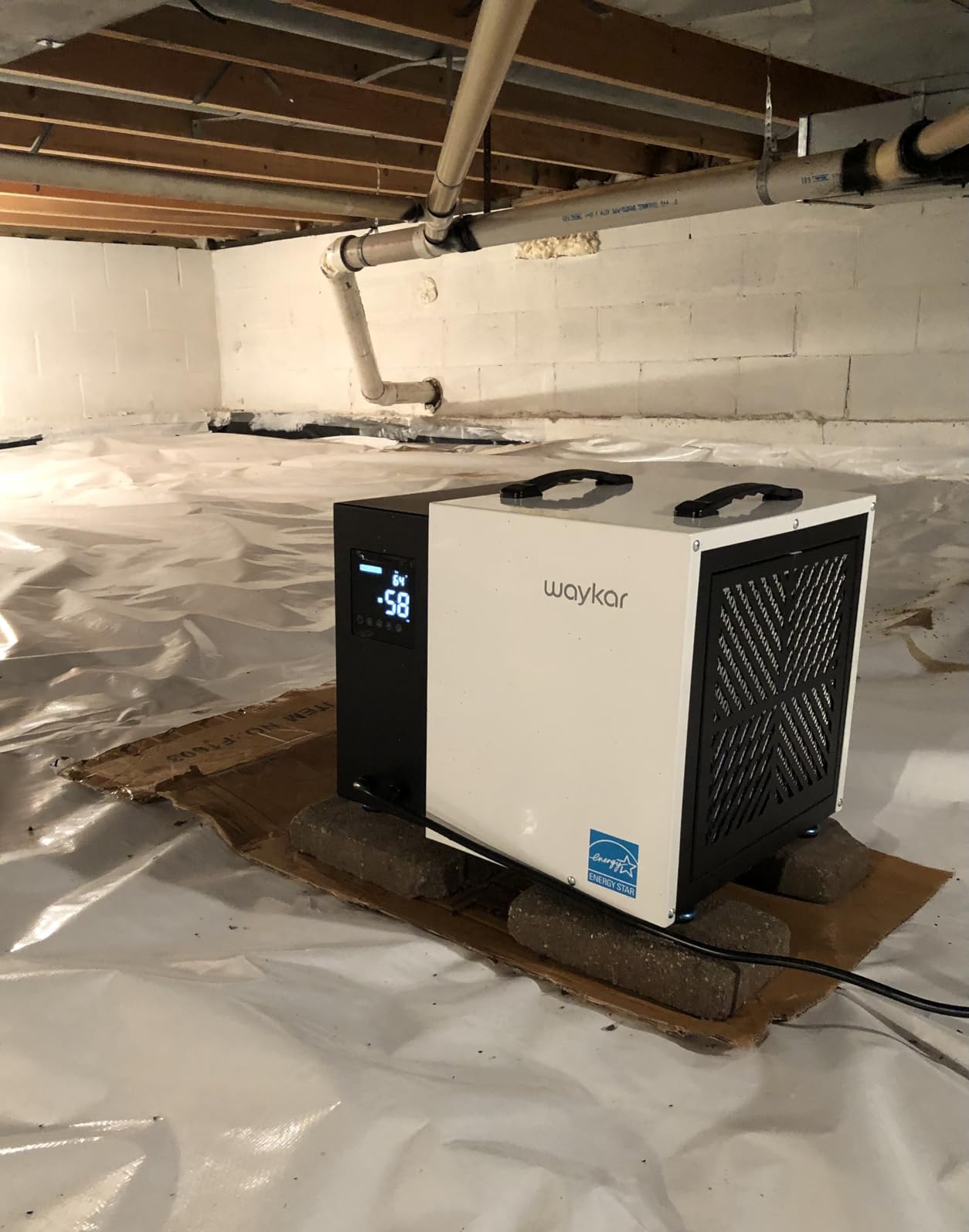
Where you can, hang the unit from the joists with a rated kit and leave a real air gap underneath. If you must set it on the ground, use a raised platform so the drain outlet and the pump reservoir sit above the dirt and away from standing water.
Unfinished dirt-floored spaces are the least forgiving acoustic environment in the house, and none of these units is loud enough for that to matter. If your moisture problem is upstairs instead, our guide to the best dehumidifiers for bedrooms covers the finished-space end of the same problem.
How We Evaluated These 10 Units
We compared the ten models in this guide on published specifications first: AHAM rated capacity, saturation capacity, airflow in CFM, coverage area, wattage, chassis dimensions, weight, drainage method, defrost type, and warranty length. Where a spec claim and a rating disagreed, we weighted the rating and the review history.
Second, we read owner reports in the listing reviews and on r/basement, r/hvacadvice, r/HomeImprovement, and r/homeowners, looking for patterns in failure modes rather than single complaints. Freeze-ups, drain backups, and early refrigerant leaks came up far more often than noise or appearance, so we weighted them accordingly.
Third, we checked the physical constraints that decide whether a unit can be installed at all: chassis height against joist depth, weight against the access opening, and manufacturer clearance requirements. A machine that will not physically fit in your crawl space is not a candidate regardless of its capacity.
Where a product listing carried internally inconsistent capacity fields, we flagged it in the review. Ratings and review counts are reproduced exactly as published, and we have deliberately not included prices anywhere in this guide because they change daily and the buttons below each product show the current figure.
Frequently Asked Questions
What type of dehumidifier is best for a crawl space?
A horizontal refrigeration-based dehumidifier with a high-static-pressure blower, automatic defrost, and either a built-in condensate pump or a gravity drain routed out of the space. Refrigeration units are the right default for most crawl spaces, while desiccant units are the specialist answer for very cold or very dry targets, and whole-house ventilating units are worth considering when the same moisture problem appears upstairs.
Is it worth putting a dehumidifier in a crawl space?
Usually yes, if relative humidity sits above 60 percent for sustained periods or a moisture meter reads high in the framing. Sustained humidity above 60 percent lets fungal spores germinate on wood, and rot remediation costs far more than a dehumidifier. It is not worth buying one if the problem is bulk water from a leak, groundwater, or roof runoff, since that must be fixed at the source first.
Can I put a dehumidifier in my crawl space without encapsulation?
You can, and it will help, but it works harder and costs more to run. Encapsulation means permanently closing the foundation vents and covering the soil with 6-mil polyethylene overlapped at least six inches, which removes the continuous supply of humid outside air. Encapsulation first and dehumidification second is the order that makes sense.
What happens if a condensate drain line freezes?
A frozen line either blocks drainage or ruptures. If it blocks, water backs up until the internal level sensor shuts the unit down, and you may end up with standing water in the crawl space. The fix is protection rather than repair: run the line inside the foundation wall where possible, insulate any exposed section, and add heat trace cable in climates that drop well below freezing.
How do you fix a dehumidifier that freezes up?
Start by confirming the unit has an automatic defrost cycle, since a standard residential model without defrost will ice over in any crawl space below about 65F. Then check the humidistat setpoint is not unrealistically low, clear any airflow blockage from the intake, and verify the unit is large enough for the moisture load. If frost still builds, the unit is undersized for that space and cold.
What are the common symptoms of a failed condensate pump?
The unit stops dehumidifying without any fault message, water appears in the reservoir or pan, and the machine shuts down on its internal level sensor. In a crawl space you may only notice that relative humidity has climbed back above your setpoint. Many pumps give little warning, so a pump you cannot hear running is worth checking before a humid summer rather than after.
How long does it take to dry out a crawl space?
A dry, lightly loaded crawl space usually reaches a 45 to 55 percent setpoint within a few days of running. A genuinely damp space takes two to four weeks, and a space that has taken water needs a month or more. Persistent musty odor is often the last thing to go, since the smell lingers in the framing after the moisture reading has already settled.
Should I close the foundation vents before running a dehumidifier?
Yes. Open vents pull humid outside air into the crawl space, and a dehumidifier then spends its capacity removing moisture that keeps arriving rather than the moisture already in the soil. Closing the vents and covering the ground with a vapor barrier both reduce the load, and that is why encapsulation and dehumidification work so much better together than either does alone.
Conclusion
The ALORAIR Sentinel HD55S is our pick for the best dehumidifiers for crawl spaces in 2026, because 1393 reviews at 4.2 stars is the most proven result in a category full of unproven machines. It handles spaces up to about 1300 sq ft, moves 130 CFM, and drains continuously without a pump.
Match it to your conditions rather than to the price. The Waykar 125 Pint handles flat floors and pumped drainage, the Moiswell Defender M145 handles shallow joists, the ALORAIR Sentinel HD35P handles a small space on a budget, and the Storm LGR Extreme handles flood recovery and very low humidity targets.
Whatever you choose, encapsulate first, size on rated pints at AHAM conditions, and protect the drain line from freezing. If you tell us your crawl space square footage, whether you have a gravity drain route, and your winter low temperature, we can point you at the right model for your situation.