
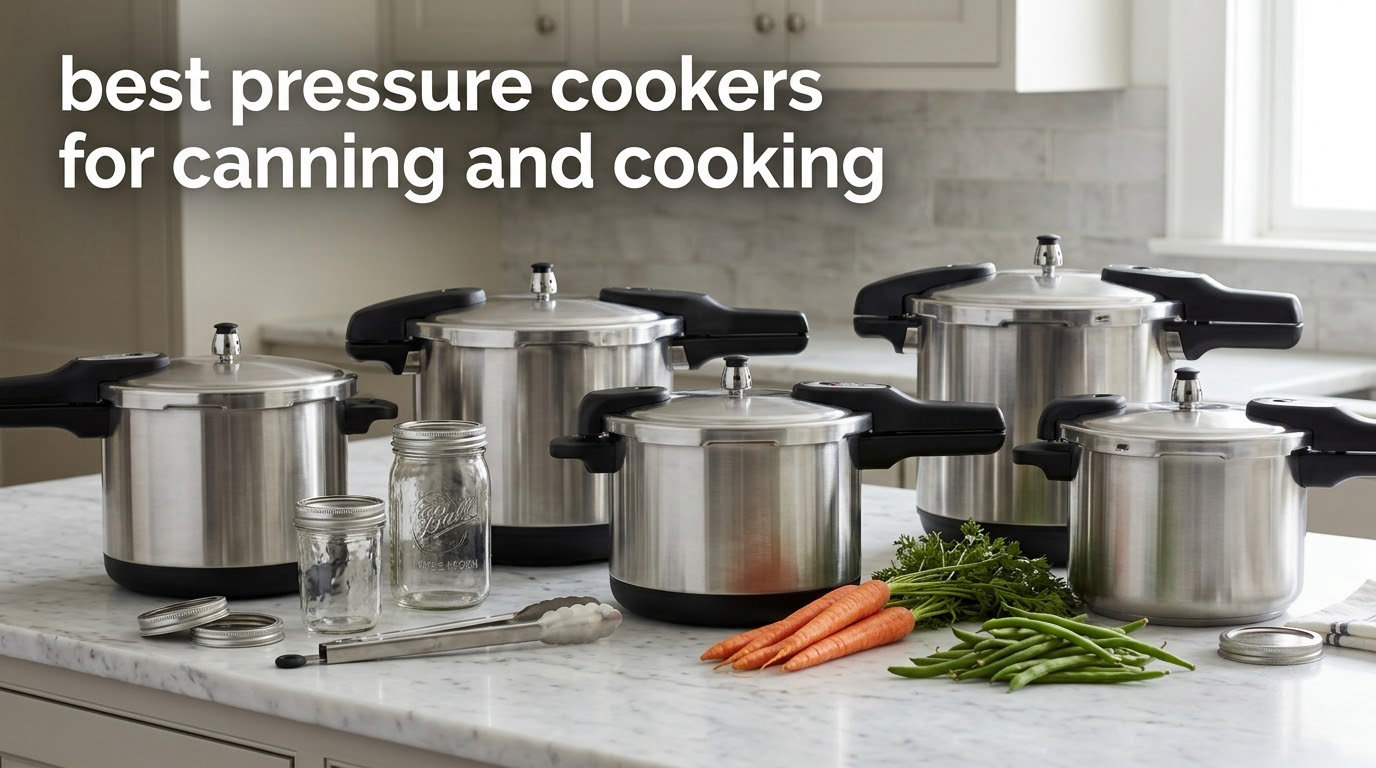
Can any pressure cooker be used as a canner? No, not safely, and the reason matters more than the marketing suggests. A household electric multicooker such as an Instant Pot or Ninja Foodi runs at roughly the right pressure, but its manual does not rate it for pressure canning, its cycle timing does not match NCHFP-tested processing times, and the jar depth is usually wrong. Only a unit that reaches and holds 10 to 15 PSI at 240F or above, listed by the manufacturer for pressure canning, belongs in your canning workflow.
That is where the best pressure cookers for canning and cooking get interesting. A handful of vessels genuinely do both jobs, and a few that look right on paper quietly fall short. We spent time with all 12 models in this roundup, checking the pressure system, the jar capacity, the sealing method, the heat behaviour and how each one handled a real pot of beans or a rack of canning jars.
If you are still working out whether canning fits your routine at all, start with our beginner guide to home pressure canning. If your primary interest is weeknight cooking rather than preserving, our pressure cookers for busy families roundup covers the cooking side in more depth.
Table of Contents
Top 3 Best Pressure Cooker and Canner Picks for 2026
The three units below earned the top spots because each one does the dual job without compromise: real canning pressure, a workable batch size, and a vessel you will still reach for to cook beans or broth.

Presto 01781 23-Quart Canner
- 23-quart aluminum body
- Deluxe dial gauge
- 26 half-pints or 20 pints
- 12-year warranty
All American 910 Cooker/Canner
- Gasket-free metal-to-metal seal
- 10.5-quart body
- 7 pints or 4 quarts
- Made in the USA
NESCO NPC-9 Electric
- Electric pressure canning
- 9.5-quart nonstick inner pot
- Water bath and cook modes
- Altitude valve included
Best Pressure Cookers for Canning and Cooking in 2026
Every model below appears with its capacity, sealing system and the pressure settings it actually holds, so you can match the vessel to the size of your harvest rather than to the number on the box.
| Product | Specifications | Action |
|---|---|---|
| Presto 01781 23-Quart Pressure Canner and Cooker |
|
Check Latest Price |
| All American 910 10.5-Quart Cooker and Canner |
|
Check Latest Price |
 T-fal 22-Quart Aluminum Pressure Canner T-fal 22-Quart Aluminum Pressure Canner |
|
Check Latest Price |
 Presto 02152 17-Quart Digital Pressure Canner Presto 02152 17-Quart Digital Pressure Canner |
|
Check Latest Price |
| NESCO NPC-9 9.5-Quart Electric Pressure Canner |
|
Check Latest Price |
 Granite Ware 20-Quart Pressure Canner Granite Ware 20-Quart Pressure Canner |
|
Check Latest Price |
 WantJoin 23-Quart Pressure Cooker WantJoin 23-Quart Pressure Cooker |
|
Check Latest Price |
 Mirro 22-Quart Pressure Canner Mirro 22-Quart Pressure Canner |
|
Check Latest Price |
 Barton 6-Quart Pressure Cooker Barton 6-Quart Pressure Cooker |
|
Check Latest Price |
 BreeRainz 5.3-Quart Cooker and Canner BreeRainz 5.3-Quart Cooker and Canner |
|
Check Latest Price |
 VEVOR 8-Quart Stainless Pressure Cooker VEVOR 8-Quart Stainless Pressure Cooker |
|
Check Latest Price |
 Fulgutonit 5.3-Quart 10 PSI Pressure Canner Fulgutonit 5.3-Quart 10 PSI Pressure Canner |
|
Check Latest Price |
Can a Household Pressure Cooker Actually Can Food?
No. The distinction is not marketing language, it is a temperature threshold. Low-acid foods above pH 4.6, which includes green beans, corn, potatoes, carrots, meat, poultry, seafood and most beans, can carry Clostridium botulinum spores that survive a boiling water bath at 212F. Destroying them requires 240F or above sustained under 10 to 15 PSI for the processing time printed in a tested recipe from the National Center for Home Food Preservation.
A standard electric multicooker hits a high pressure for cooking, but its manufacturer does not rate it for canning, so the processing times in a tested recipe will not match what the machine delivers, and most of these pots are too shallow to seat jars properly on a rack. Canning forums raise this constantly. On r/Canning, the recurring advice is that a genuine canner or a dedicated electric pressure canner is the only appliance that belongs in the preserving workflow, and multiple owners warn that certain electric models are water-bath only.
There is one more trap. A pressure canner can also run as a boiling-water canner for jams, jellies, pickles and salsa, but a water bath canner can never run as a pressure canner. If someone tells you their water bath unit handles low-acid vegetables, the answer is no.
1. Presto 01781 23-Quart Pressure Canner and Cooker for Big Batch Jobs
Presto 01781 23-Quart Pressure Canner and Cooker
23-quart aluminum body
Deluxe dial pressure gauge
Holds 26 half-pints or 20 pints
12-year limited warranty
Pros
- USDA-recommended pressure canning method
- 23-quart capacity holds 26 half-pints 20 pints or 7 quarts
- Heavy-gauge warp-resistant aluminum heats fast and evenly
- Deluxe dial gauge reads the full pressure range for altitude work
- Also works as a boiling-water canner and everyday pressure cooker
- Canning rack and 76-page instruction book included
Cons
- Large capacity means long heat-up and cool-down cycles
- Very heavy to lift once loaded so jars must go in on the stove
- Dial gauge models need periodic accuracy checks
- Aluminum interior discolors and reacts with acidic foods
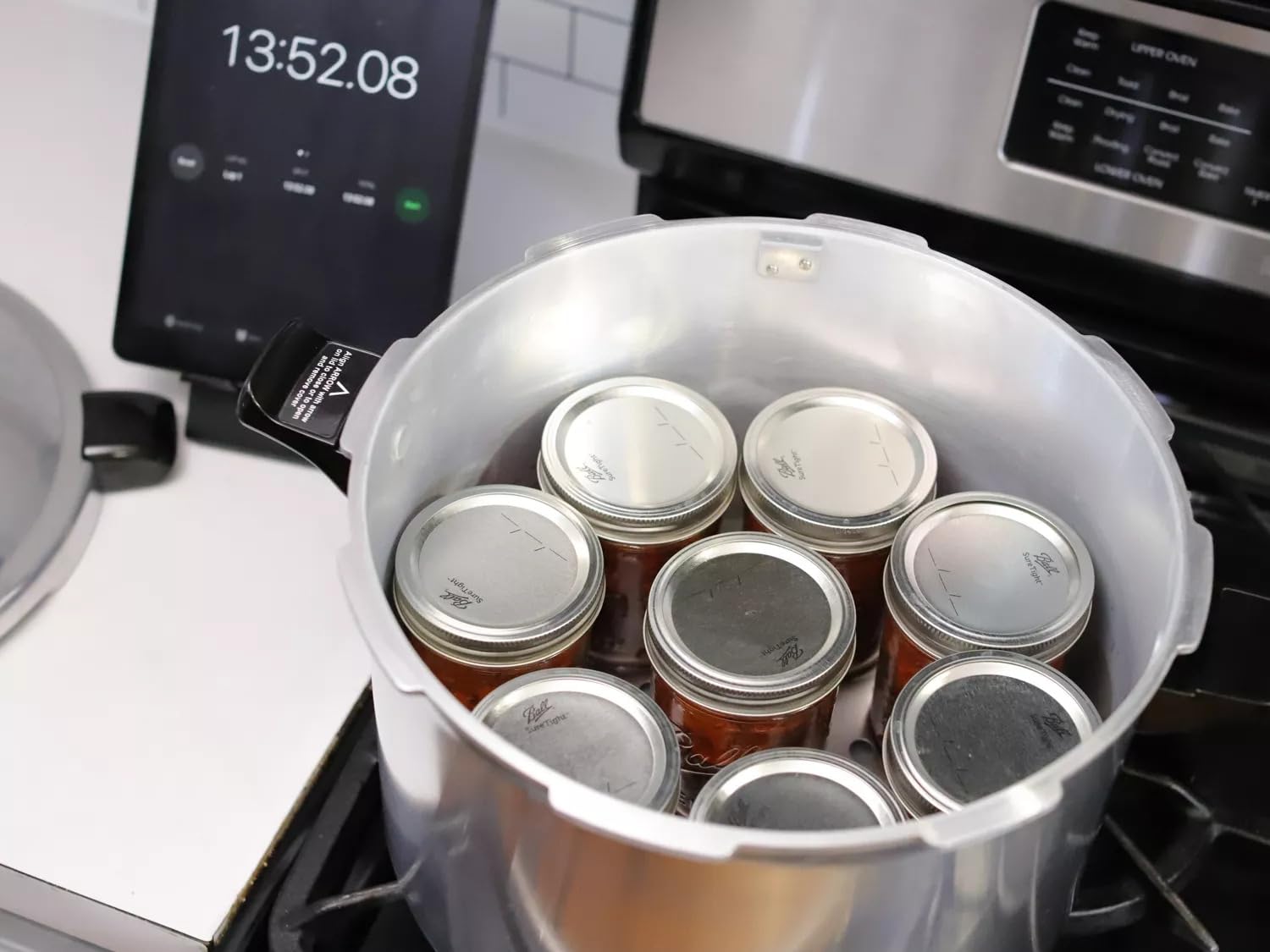
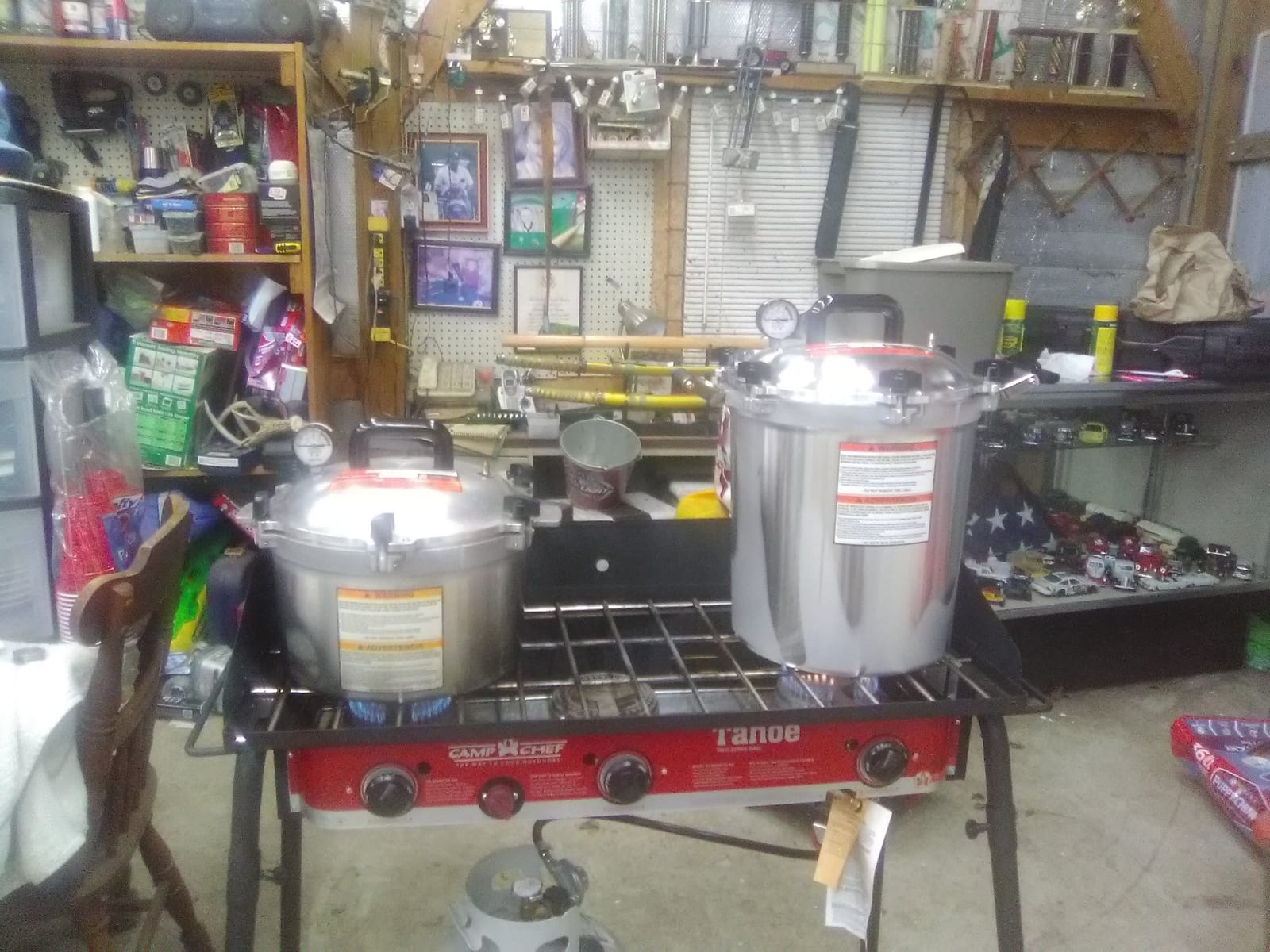
This is the unit we come back to when the question is how much food can we preserve in one session. At 23 quart it takes 26 half-pints, 20 pints or 7 quarts, which is among the largest batches in this group and the reason its review count dwarfs every other model we looked at, with over 20k ratings averaging 4.8.
The deluxe dial gauge is the part experienced canners care about most. It registers the full processing range rather than a single set point, which matters when you are working at altitude or running foods that process at different weights.
Pressure cooking earns its keep on broth, beans and large cuts of meat. The heavy-gauge aluminum is marketed for fast, even heating, and the included rack doubles for steaming and for keeping jars off the pot bottom.
The 12-year limited warranty is the longest listed among these models, and the 76-page instruction and recipe book included with it is genuinely useful rather than a leaflet. Warp-resistant aluminum is the reason Presto has been a default recommendation in the canning community for decades.
Who it suits
Households putting up real volume: a large garden, a share of beef, or several families’ worth of beans. If you plan to stack pint jars two high, the extra capacity over a 16-quart model is the whole reason to spend up.
Where it frustrates
Anyone with a small kitchen or a weak burner. A 23-quart aluminum pot full of water and jars takes a long time to heat and an even longer time to cool, and it must be loaded in place because it is far too heavy to lift once full.
2. All American 910 10.5-Quart Cooker and Canner With No Gasket
All American 1930: 10.5qt Pressure Cooker/Canner (The 910) – Exclusive Metal-to-Metal Sealing System – Easy to Open & Close – Suitable for Gas, Electric, or Flat Top Stoves – Made in the USA
10.5-quart cast aluminum
Gasket-free metal-to-metal seal
Holds 7 pints or 4 quarts
Weighted regulator with reference dial
Pros
- Metal-to-metal seal removes gasket replacement entirely
- Highest average rating in the set at 4.9 across 9.7k reviews
- Cast aluminum machined in the USA for durability
- Works as both a pressure cooker and a pressure canner
- Weighted gauge gives audible feedback
- Replacement parts still available years later
Cons
- Premium cost relative to every stovetop canner here
- Very heavy when loaded so loading happens on the stove
- Aluminum mass means slow heat-up and cool-down
- 10.5 quarts is the smallest vessel in the range
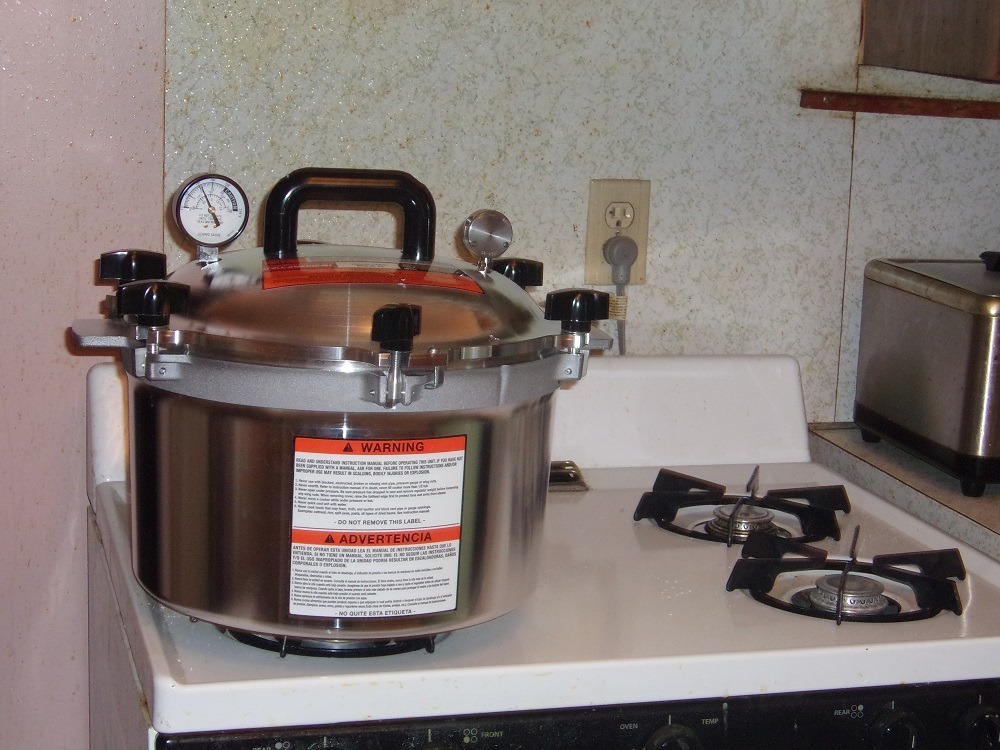
The sealing system is the entire argument. This model clamps metal against metal, so there is no silicone gasket to replace, stretch out or lose, and 93 percent of 9.7k reviews give it five stars. Owners in the canning communities consistently name the absence of a seal as the reason to spend more here.
It handles about 7 pint jars or 4 quarts, which suits a household of one to three people. Cooking performance is strong for broth and meat because the cast aluminum holds heat steadily once it is up.
There is a read-only reference dial alongside the working weighted regulator, and a steam gauge you can glance at rather than listen for. The double-thickness rim and phenolic top handle are the details that suggest this was built to outlast the appliances around it.
Manufactured in Wisconsin and still serviceable, which matters if you plan to keep it for two decades. In a category where parts disappear, that is worth real money.
Who it suits
Small households, high-altitude cooks and anyone tired of ordering gaskets. It is the reference answer when a buyer asks for a pressure canner that does not need a gasket, and the build quality supports decades of use.
Where it frustrates
Big-batch preservers and budget buyers. Seven pints per run means several cycles to put up a season of garden produce, and the aluminum mass is slow to heat and slow to cool.
3. T-fal 22-Quart Aluminum Pressure Canner With Three PSI Settings
T-fal 22-Quart Aluminum Pressure Canner, 3 PSI Settings, Home Canning, Includes Racks & Canning Guide, Large Capacity, Pressure & Water Bath Canning for Vegetables, Meats, Seafood & Fruits, Silver
22-quart polished aluminum
Three PSI settings in the lid
24 half-pints or 7 quarts per batch
Two racks and a canning guide
Pros
- Large 22-quart capacity handles 24 half-pints 16 wide-mouth pints 18 pints or 7 quarts
- Three selectable pressure settings built into the lid
- Two canning racks plus a step-by-step guide
- Beginners rate it as simple and safe to run
- Works for both pressure canning and water-bath canning
Cons
- Gauge can auto-vent before reaching the set pressure on low heat
- Gasket needs occasional cleaning and reseating to stop small leaks
- Handles must be aligned carefully before locking or steam escapes
- Interior discolors which shows if you also cook in it
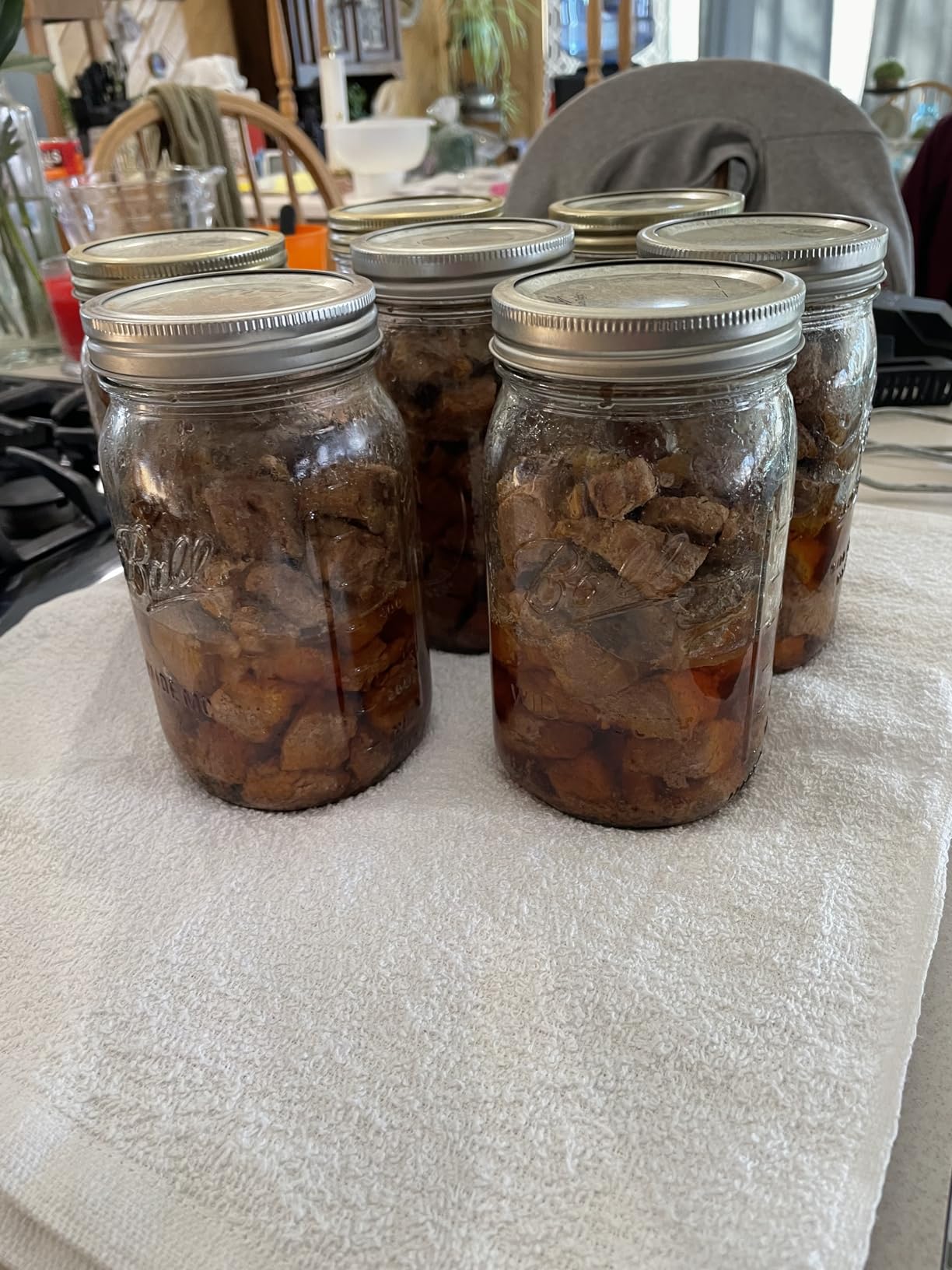
Batch size is the headline. At 22 quart it holds up to 24 half-pints, 16 wide-mouth pints, 18 pints or 7 quarts, and it comes with two racks plus a step-by-step canning guide that a first-timer can actually follow.
Three pressure settings are built into the lid weight rather than selected on a dial, so there is less to fiddle with mid-process. That simplicity is why it draws steady beginner interest, and the 4.4 average across 6778 reviews is the widest spread of feedback here and reflects a unit that works well once you learn its rhythm.
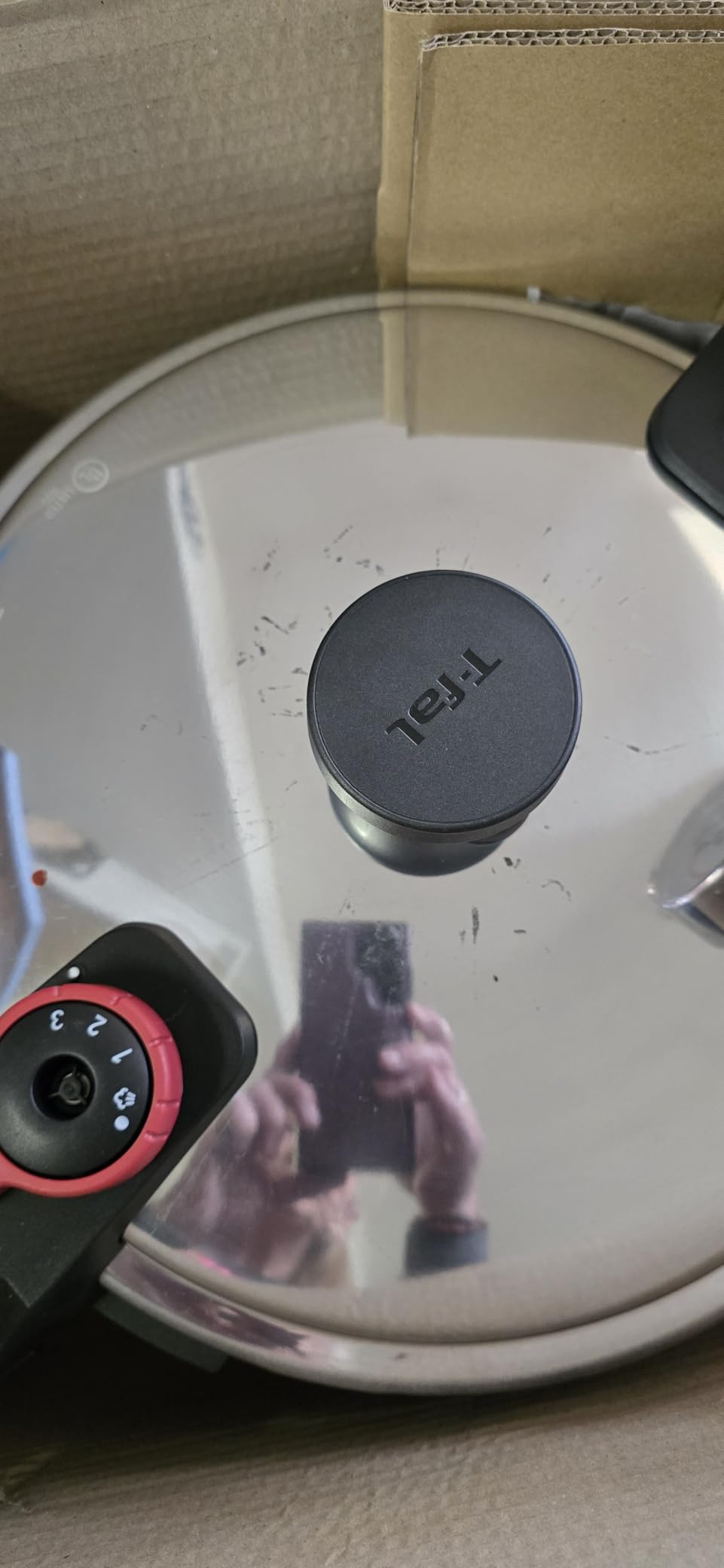
The complaints are specific rather than fatal. Owners report the gauge occasionally auto-venting before the top setting when the burner is not hot enough, and a rubber gasket that needs cleaning and reseating to stop a small leak. Handle alignment matters too, because a misaligned lid lets steam escape at the joint.
Its 9 percent one-star share is among the higher ones across the canners in this group, and a meaningful slice of those reviews mention warped bodies or gauge problems arriving damaged. Inspect the gauge and the lid on arrival.
Who it suits
Beginners who want a large vessel and a guided first season without spending on a premium brand. The included guide and two racks remove most of the setup friction.
Where it frustrates
Anyone who cooks acid-heavy food in the same pot, since the aluminum interior stains. It also demands a large burner, because the gauge will vent early on a weak hob.
4. Presto 02152 17-Quart Digital Pressure Canner for Hands-Off Canning
Presto 02152 17-Quart Digital Pressure Canner
17-quart stainless steel electric
Sensor holds the canning temperature
Extra-tall body fits quart jars
LED display with control knob
Pros
- Automates pressure and temperature so there is no gauge watching
- Works at high altitude with no pressure adjustment
- Extra-tall body is built to accept quart jars
- Stainless interior avoids aluminum staining and reactivity
- Knob programming and LED display are easy to learn
Cons
- Premium cost relative to every stovetop canner here
- Countertop footprint is large and it weighs 24.3 pounds
- Thinner long-term owner feedback than the stovetop leaders
The internal sensor is the reason to choose it. Rather than relying on a dial you have to interpret, it holds the exact temperature required for safe canning, and 84 percent of 5739 reviews give it five stars for that automation.
It is also the easiest altitude answer in this roundup because no pressure adjustment is required. You select the canning method with the knob, set the processing time, and the display guides each step.
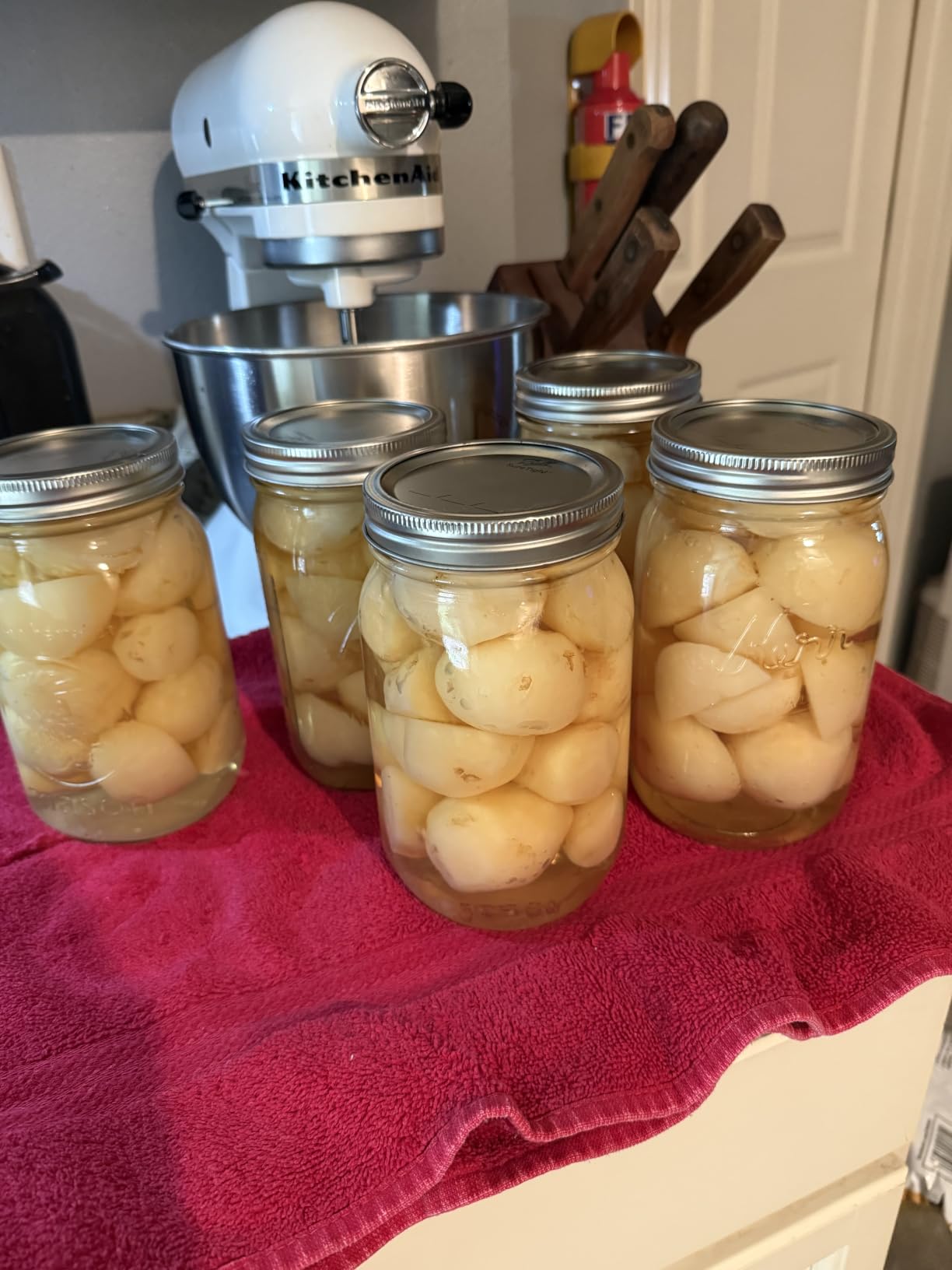
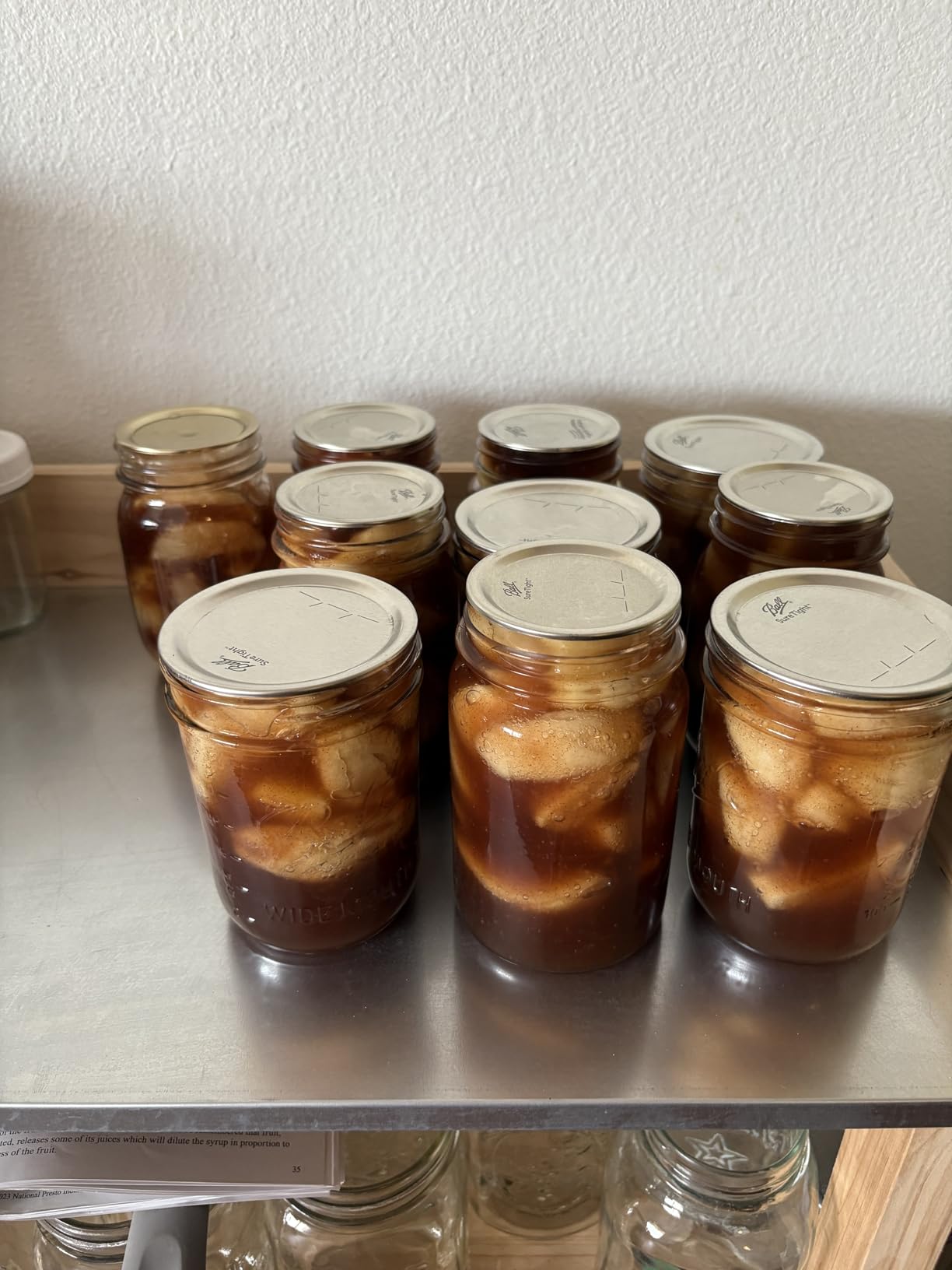
The extra-tall body is the quiet advantage. Most 20-plus quart canners will not seat quart jars, and this one is designed around them, which quietly lifts your output per cycle. The stainless interior also means no staining and no reactivity with tomatoes or fruit.
There is a canning rack in the box, and the 1485-watt element is strong enough to recover pressure quickly when cold jars go in. The trade-off is footprint. At 24.3 pounds and nearly 18 inches tall, it owns a counter.
Who it suits
Homes at higher elevations, and anyone who does not want to babysit a gauge. It is also a strong pick if you can quart jars rather than only pints.
Where it frustrates
Tight kitchens and first-time buyers on a budget. The cost sits at the top of this group and long-term owner data is thinner than the stovetop leaders.
5. NESCO NPC-9 9.5-Quart Electric Pressure Canner for Beginners
NESCO NPC‑9 Smart Electric Pressure Canner and Cooker for Home Food Preservation, 9.5‑Quart Stainless Steel with Digital Controls
9.5-quart electric unit
Removable nonstick inner pot
Pressure cook slow cook steam water bath
High-altitude limiting valve included
Pros
- Built-in safety controls cut the fear factor for new canners
- Pressures cooks steams and water-baths in one appliance
- Does not heat up the kitchen the way stovetop canning does
- Removable nonstick inner pot makes cleanup simple
- Quiet enough to run alongside other household tasks
Cons
- Small load of 4 quarts or 5 pints per run
- Wide-mouth pint jars are awkward to grip and remove
- Instructions are wordy for a beginner appliance
- You still wait for it to come up to pressure
This is the unit we recommend to someone whose real objection is fear rather than capacity. A safety lock lid, an automatic float valve and a built-in pressure regulation system handle the parts of pressure canning that scare people, and 86 percent of 3347 reviews are five star.
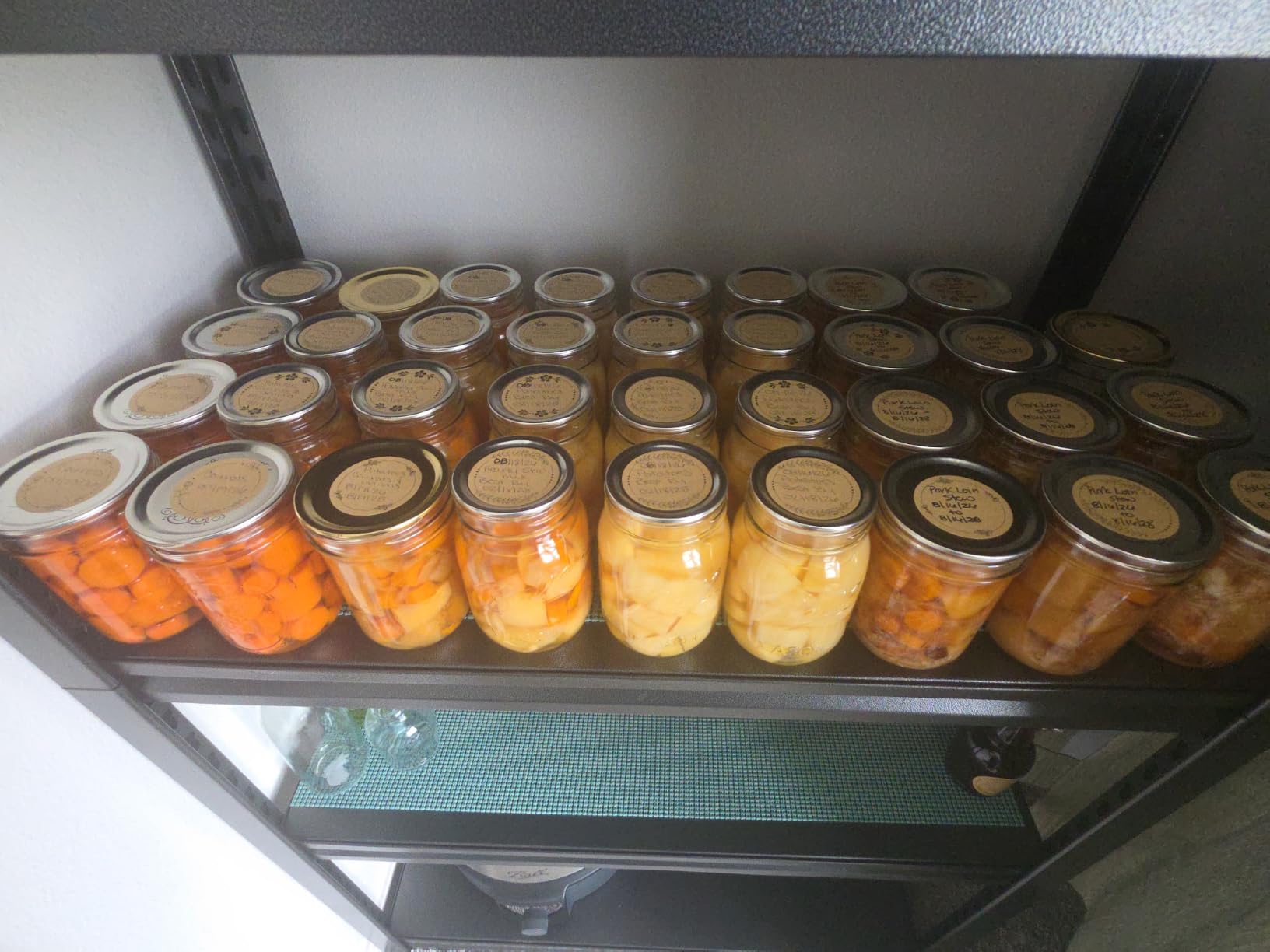
It is a genuine four-in-one: pressure cook, slow cook, steam and water bath modes with preset programs and a timer. Owners report reaching for it weekly for marinara, sauce and beans even when no canning is happening.
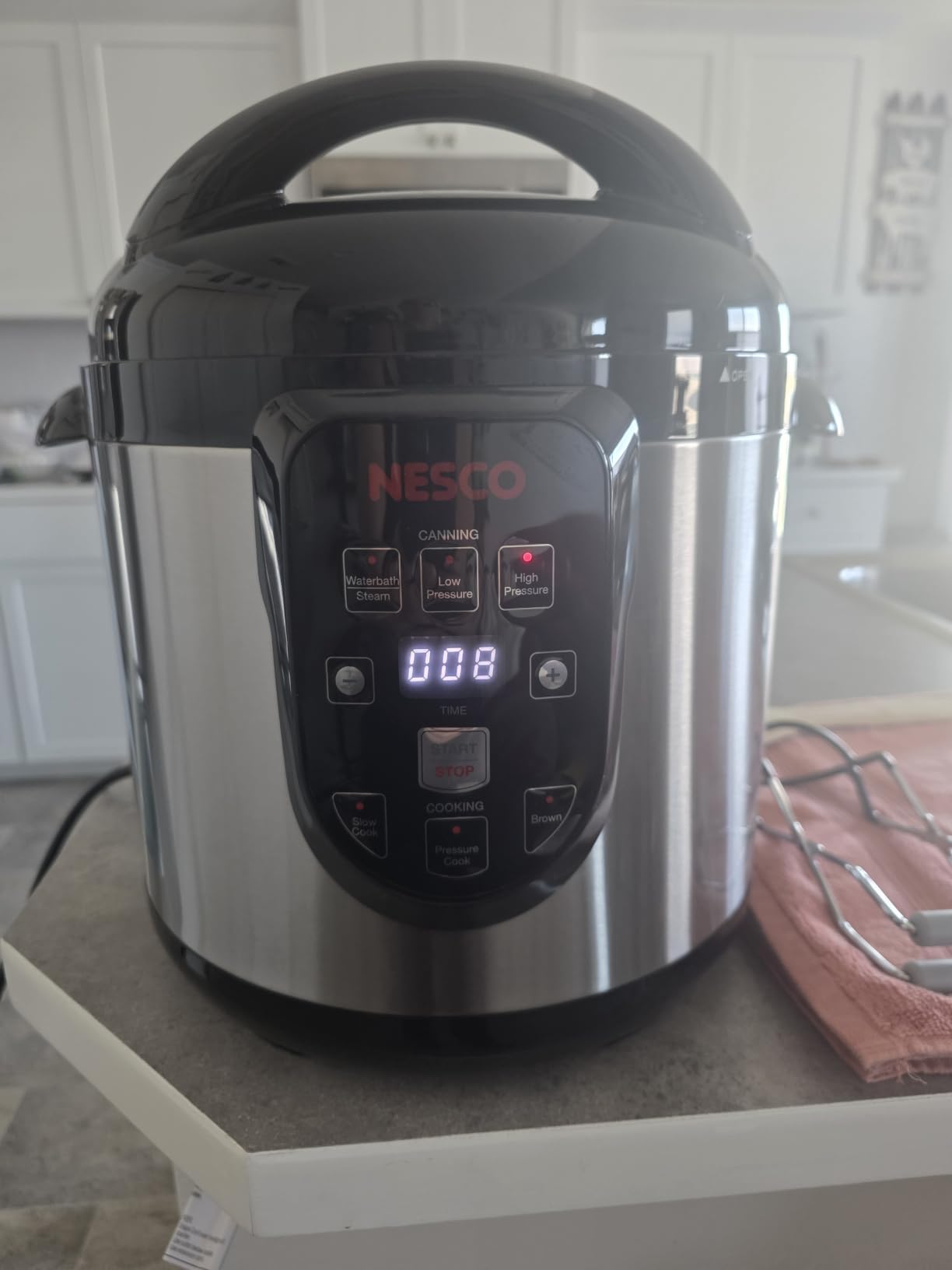
Because it is electric, it does not heat the kitchen in July, and it is quiet enough to run while you work. The removable nonstick inner pot wipes clean, and a removable condensation catcher keeps the outside dry.
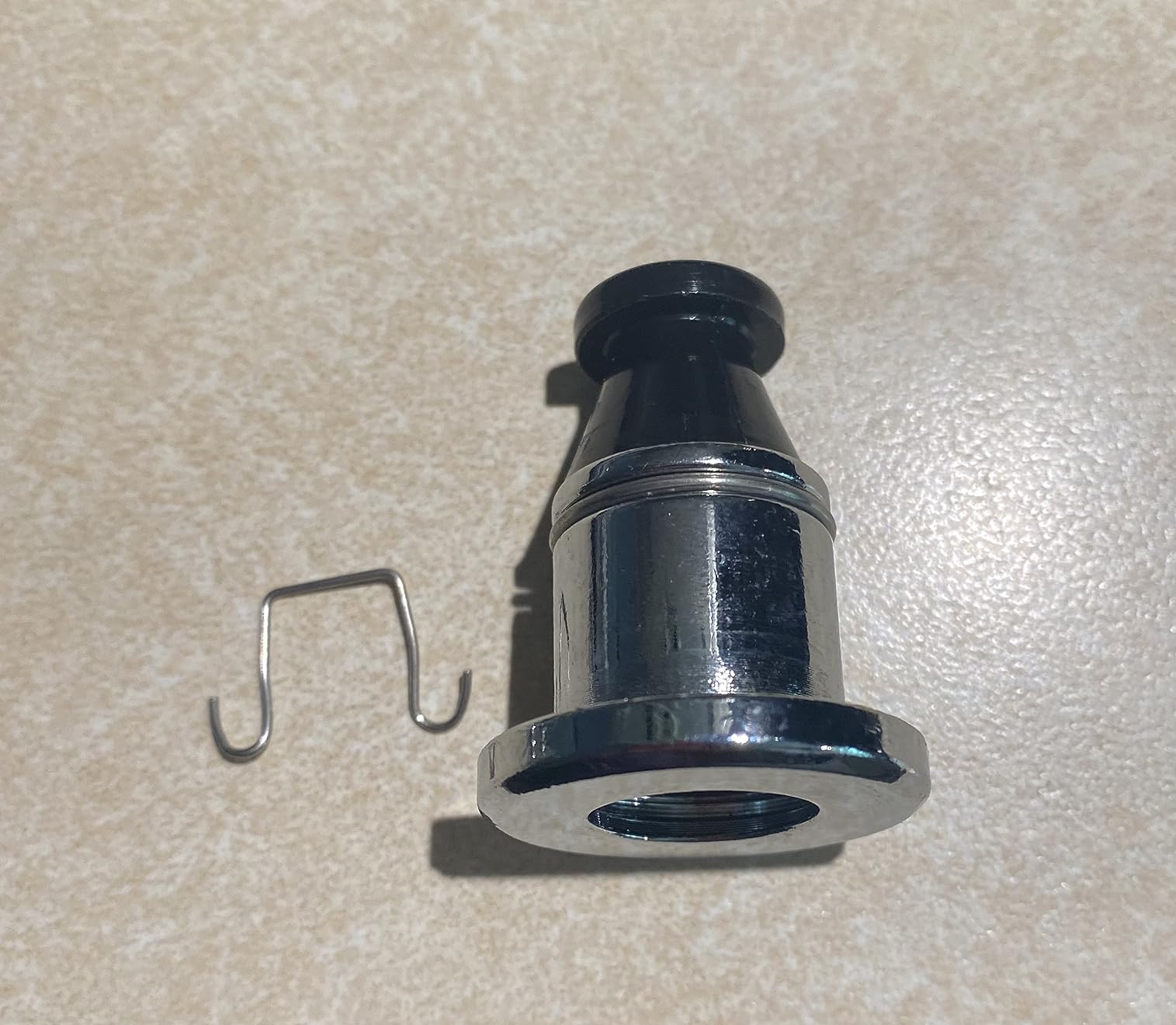
Both standard and high-altitude limiting valves are included, which covers the elevation question without ordering another part. That is a detail that catches most first-time buyers by surprise.
Who it suits
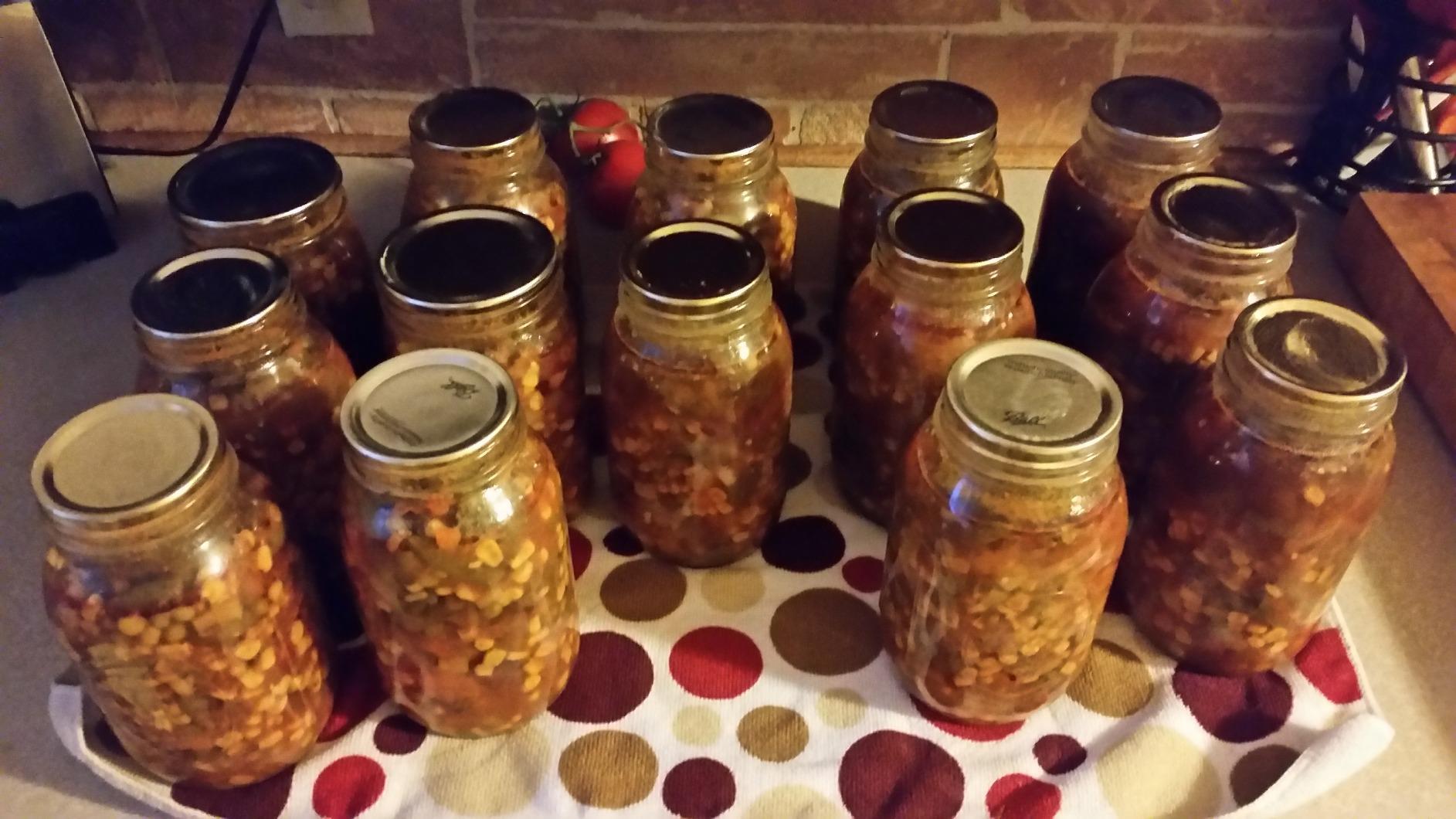
New canners, apartment kitchens and anyone who wants to preserve a few jars of sauce or broth rather than a season of vegetables. It is also a fine everyday pressure cooker in its own right.
Where it frustrates
Volume. Four quarts or five pints per load means many cycles, so most owners pair it with a larger stovetop canner rather than replacing one. The wordy manual also deserves a first read.
6. Granite Ware 20-Quart Pressure Canner With a Rust-Resistant Finish
Granite Ware Pressure Canner/Cooker/Steamer, 20-Quart
20-quart hard anodized aluminum
Regulators at 5 10 and 15 PSI
Cans cooks and steams
Weighs 10.5 pounds
Pros
- Hard-anodized body resists rust and staining better than bare aluminum
- Three interchangeable regulators calibrated at 5 10 and 15 PSI
- Three functions in one unit: canner cooker and steamer
- Lighter at 10.5 pounds than other 20-plus quart canners
Cons
- Smaller load than the 22- and 23-quart models
- Review volume is thin so long-term owner data is limited
- Aluminum still reacts with acidic food even under anodizing
The hard anodized body is the reason to look here. It will not rust or stain the way bare aluminum does, which matters if you plan to pressure cook tomato sauce in the same pot, and it cleans up more easily after a season of light-coloured produce.
Three interchangeable regulators calibrated at 5, 10 and 15 PSI give you the range you need for altitude work, and swapping them is a matter of lifting one weight off and dropping another on.
It performs three jobs, canning, pressure cooking and steaming, which makes it a reasonable single-vessel choice for a kitchen with limited burners. At 10.5 pounds it is one of the lighter large canners here, a real advantage on a weak arm at the end of a long session.
The caution is evidence. 801 reviews averaging 4.6 is a good score on a thin base, and 81 percent five-star tells you most owners are satisfied. It simply tells you less about year-five durability than a review base in the tens of thousands does.
Who it suits
Cooks who want to can and simmer in the same vessel without worrying about staining, and canners working at elevation who want selectable pressure steps.
Where it frustrates
Large-batch preservers, since 20 quart sits below the 22- and 23-quart options. Anodizing helps but does not fully solve aluminum reacting with acidic food.
7. WantJoin 23-Quart Pressure Cooker With an Induction Base
Wantjoin Aluminum Pressure Cooker 23Qt Pressure Canner, Pressure Pot with Pressure Control for Home Kitchen or Restraurant, Commercial Pressure Cooker with Gauge
23-quart aluminum body
Induction and gas compatible base
Six listed safety systems
Uncoated food-grade interior
Pros
- Large 23-quart capacity
- Induction-compatible base which is rare on an aluminum canner
- Six listed protections including alarm and anti-block valves
- Uncoated scratch-resistant food-grade interior
- Storage bag included
Cons
- One of the highest one-star shares in this group at 9 percent
- Uncoated aluminum stains and reacts more readily than coated or stainless bodies
- Wide 18.9 inch footprint needs a large burner
Induction compatibility is the headline. Most large aluminum canners are smooth-top only, and a thickened composite base changes that, so it works on gas and induction without a separate plate.
At 23 quart it matches the biggest vessels in this roundup for batch size, and the six listed safety systems, automatic lock, check valve, pressure limiting valve, safety valve, alarm valve and anti-blocking cover, give you more redundant venting than most rivals advertise.
The uncoated interior means nothing to strip off over time, and reviewers like that it resists scratching. A storage bag is included, which is genuinely useful for stowing a pot this size between seasons.
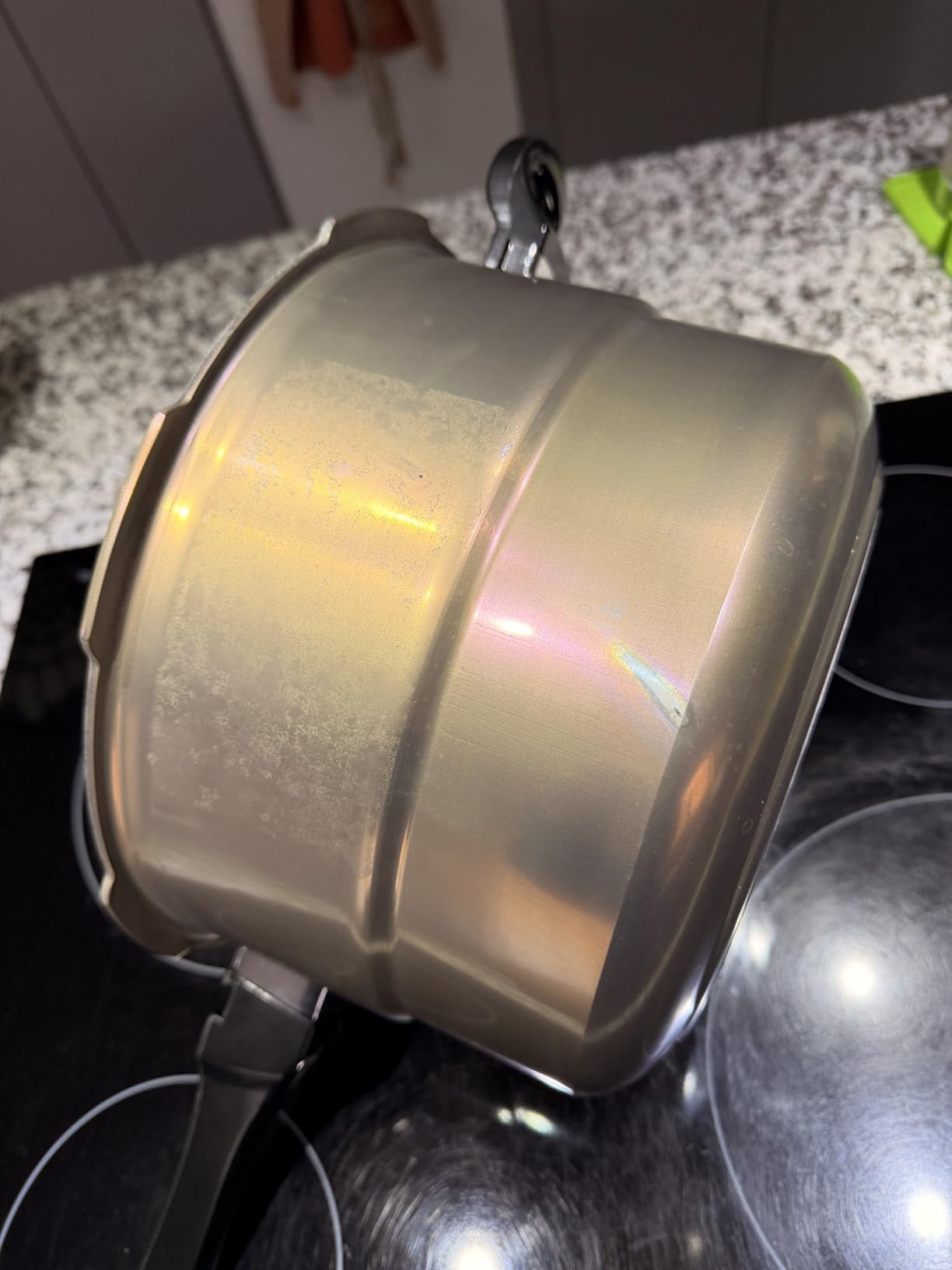
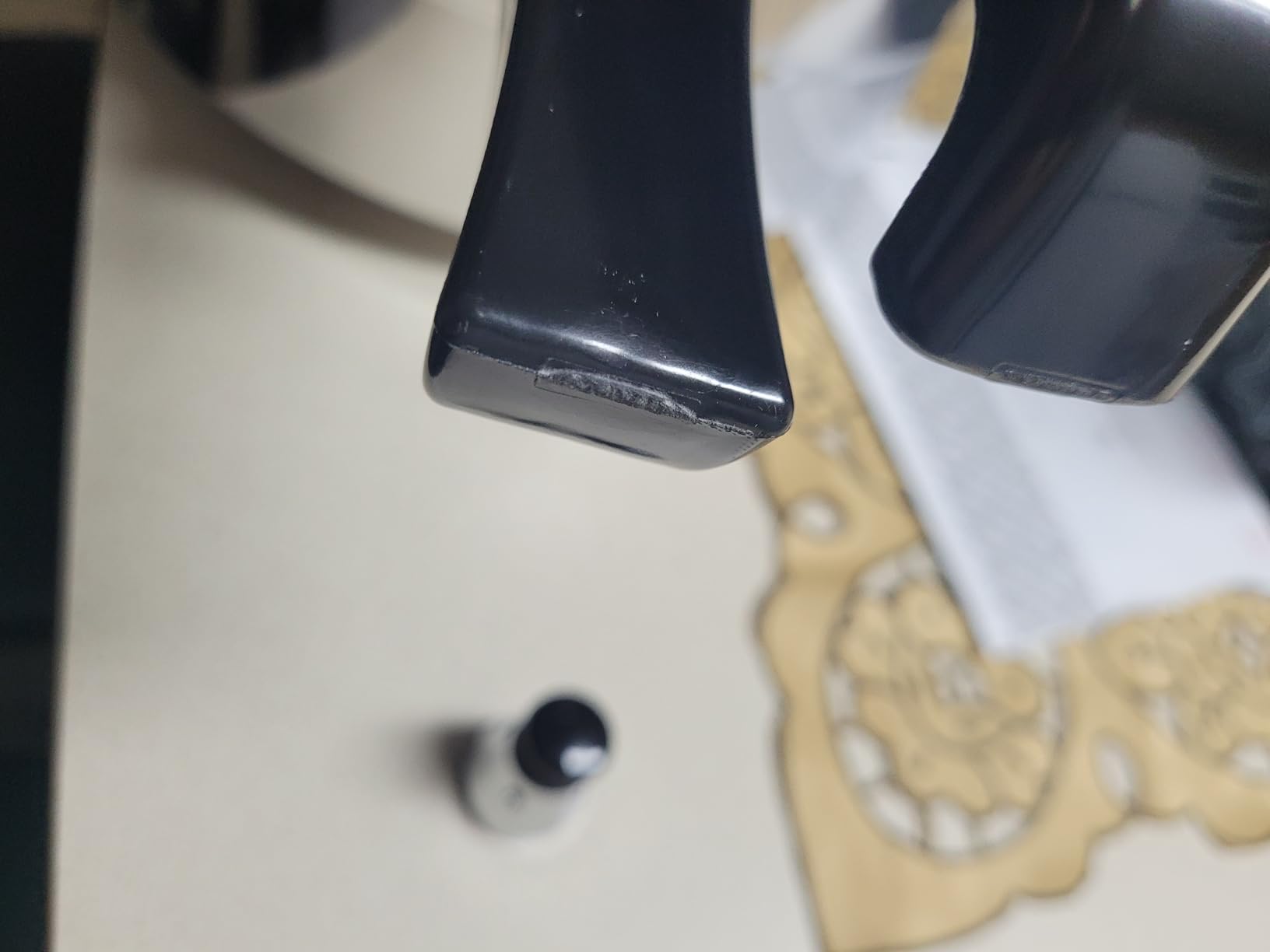
The weak point is finish consistency. The 9 percent one-star share points to complaints about the body and finish, and the uncoated aluminum interior will stain and react with acidic food more readily than a stainless or coated model.
Who it suits
Cooks on induction who want a genuine 23-quart batch. If your range has a small burner, the wide 18.9 inch footprint may rule it out before anything else does.
Where it frustrates
Anyone who wants an appliance that ages gracefully. Reviews are more polarised than the rating alone suggests, and the bare metal interior will not stay looking new.
8. Mirro 22-Quart Pressure Canner With Three Weighted Regulators
MIRRO 22 Qt Aluminum Pressure Canner with 3 Regulators, 5, 10 & 15 PSI
22-quart aluminum body
Three regulators at 5 10 and 15 PSI
Dual cool-touch handles
Two racks included
Pros
- Weighted operation lets you work by ear instead of watching a dial
- Heats quickly and holds temperature with little adjustment
- Reliable jar sealing with very little siphoning reported
- Long-time owners report buying a second identical vessel
- Dishwasher safe finish and mirror-polished exterior
Cons
- Regulator must be pushed firmly onto the stem to seat
- Some staining develops around the steam vent
- Not a good match for glass cooktops
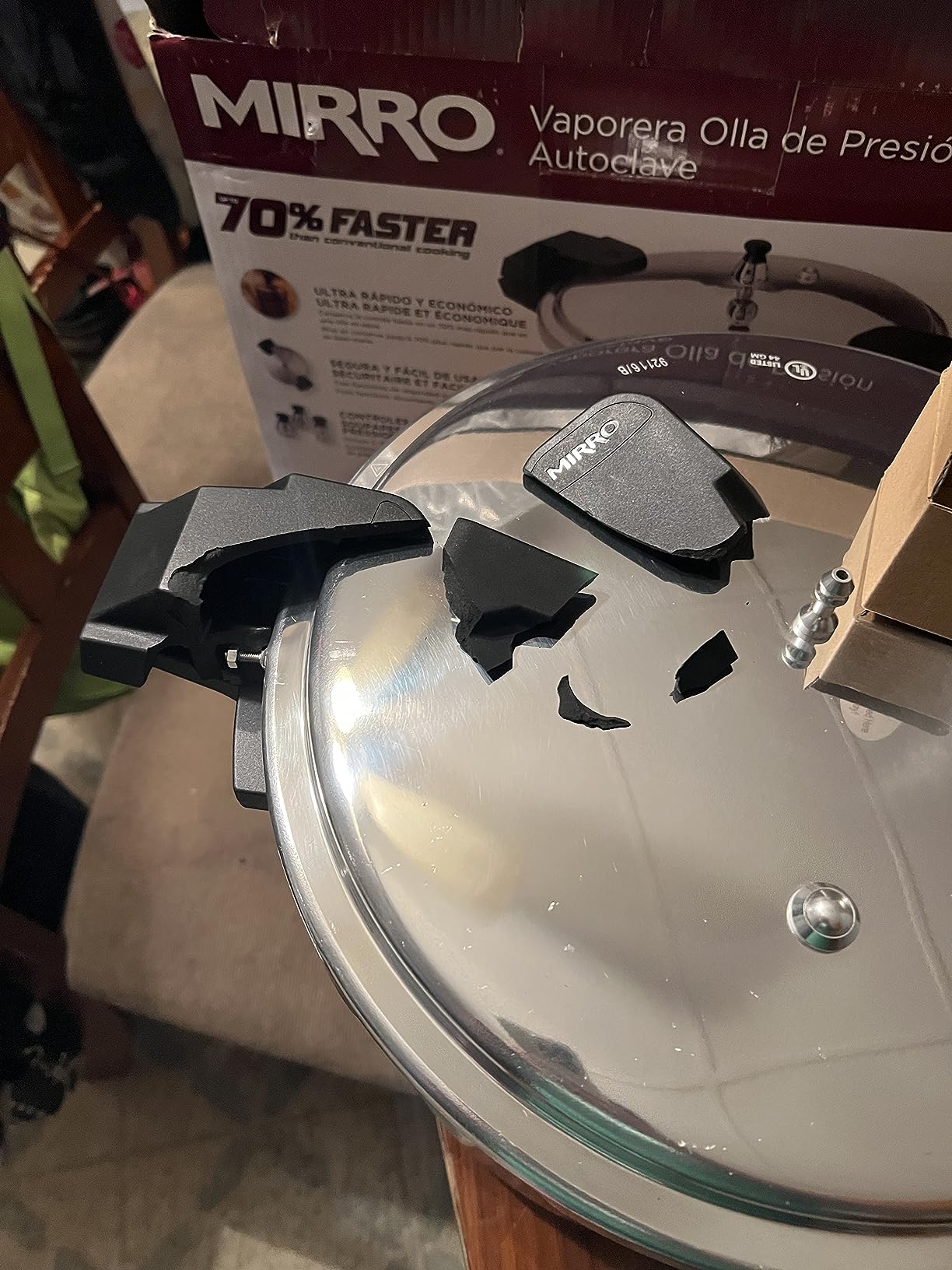
- A few reviews report units arriving damaged or off-size
This is the pick for canners who have decided weighted-gauge operation suits them better than a dial. A steady weight rocking on the vent gives audible, continuous feedback, so you are listening rather than watching, and experienced canners in the forums often make exactly that switch.
Owners report quick heat-up, a steady hold with little adjustment, and jars sealing with very little siphoning. Several long-time owners bought a second identical vessel, which is one of the strongest durability signals you can get in reviews.
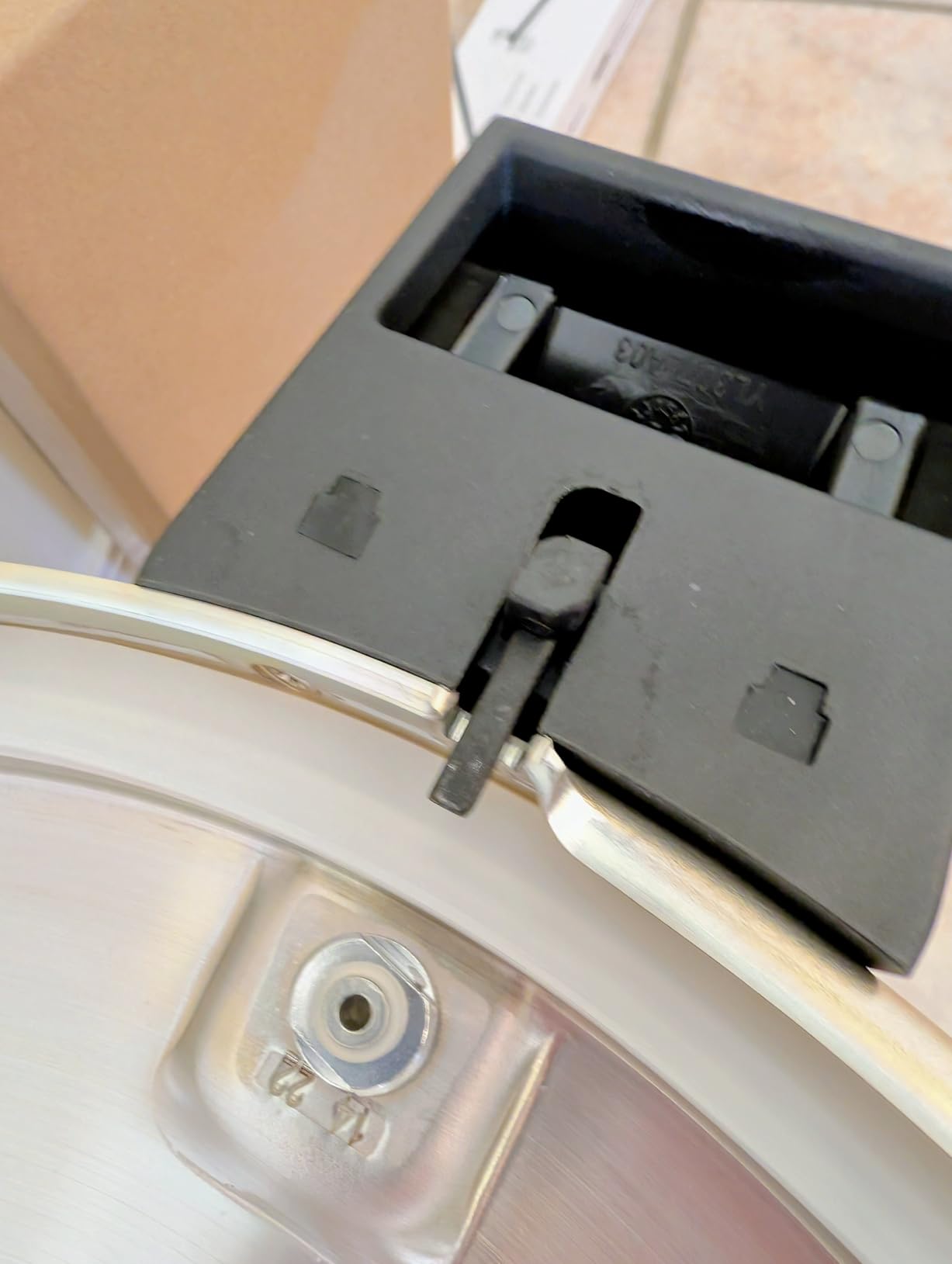
Three regulators at 5, 10 and 15 PSI cover the standard range including altitude work, and dual cool-touch handles plus two racks are included. The 22-quart body fits 7 quart jars, and a 16-quart sibling is available if your kitchen is tight.
Two practical notes. The regulator has to be pushed firmly onto the stem to seat correctly, and rust-coloured staining can develop around the steam vent over time. Owners also report that it is not a good match for glass cooktops.
Who it suits
Experienced canners who prefer working by sound, and households that want to run two vessels at once to double throughput. The 16-quart size covers smaller kitchens.
Where it frustrates
Glass cooktop owners, since the aluminum base is a poor match for ceramic hobs. If you need induction, look at the WantJoin or one of the 5.3-quart compact models.
9. Barton 6-Quart Pressure Cooker for Everyday Cooking
Barton 6.0 Quart Pressure Cooker Pot Release Valve Aluminum Canning Cooker Pressure Release Pot Stove Top Instant Fast Cooking Stovetop Pressure Canner Pot Gas Stoves, (5.67L)
6-quart aluminum body
Magnetic base for induction gas and electric
Weighs 3.6 pounds
Triple-safety valve system
Pros
- Lightest vessel here at 3.6 pounds so it is easy to lift and handle
- Induction gas and electric compatible via the magnetic base
- Heat-resistant handle stays comfortable to grip
- Multiple safety valves plus a locking lid
- Smooth surfaces wipe clean and resist stains
Cons
- 6 quarts is too small for canning more than a few jars at a time
- Light discoloration appears on the inner rim after several uses
- Listing mixes aluminum and stainless descriptions so material is unclear
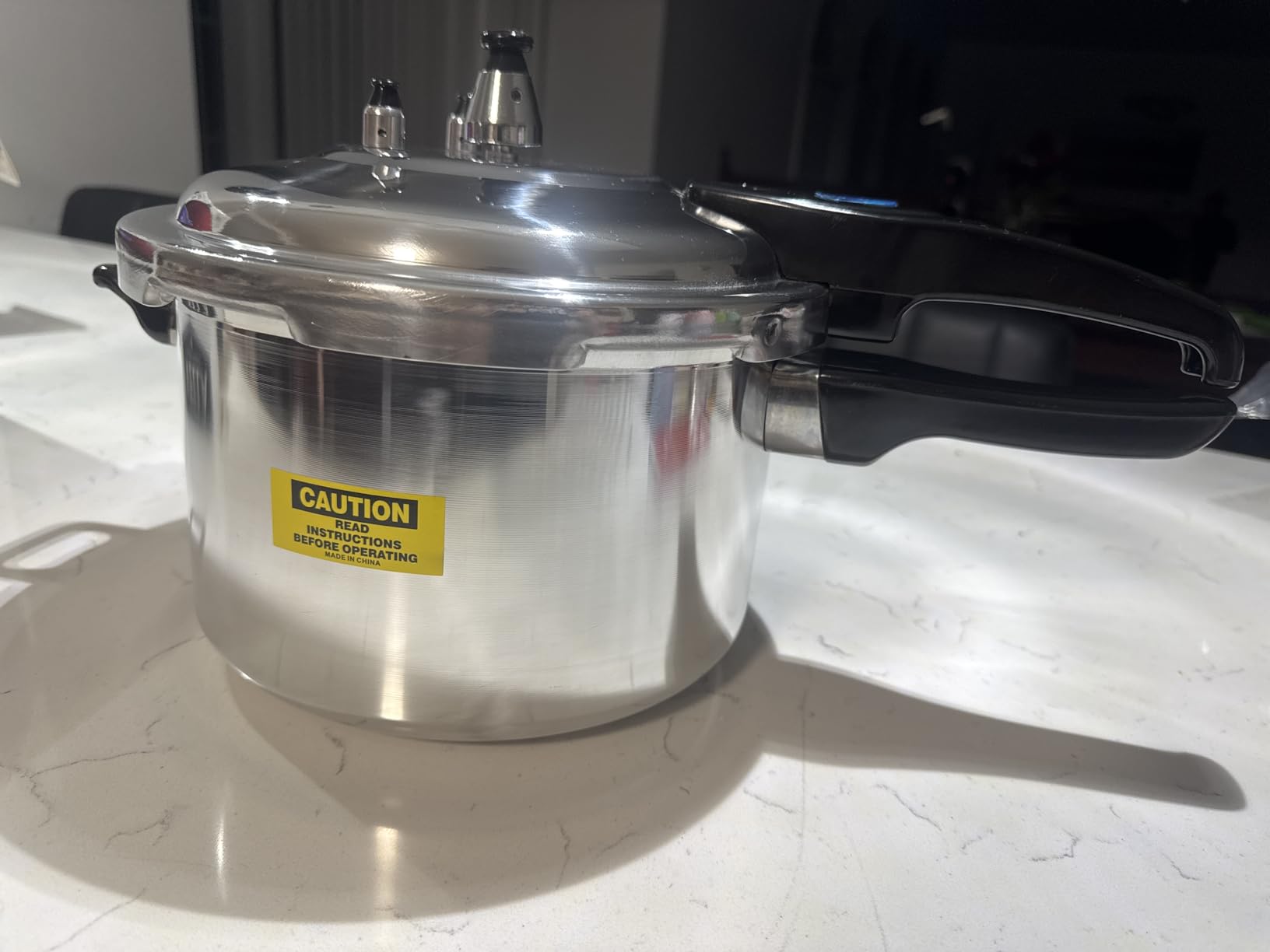
We include this one as a cooking-first recommendation, and we want to be plain about that. At 6 quart it is a genuinely capable everyday pressure cooker for beans, soups, chili and poultry, with a magnetic base that works on induction, gas and electric ranges.
At 3.6 pounds it is the lightest vessel in this roundup by a wide margin, which means you can move it, pour from it and store it without a two-person lift.
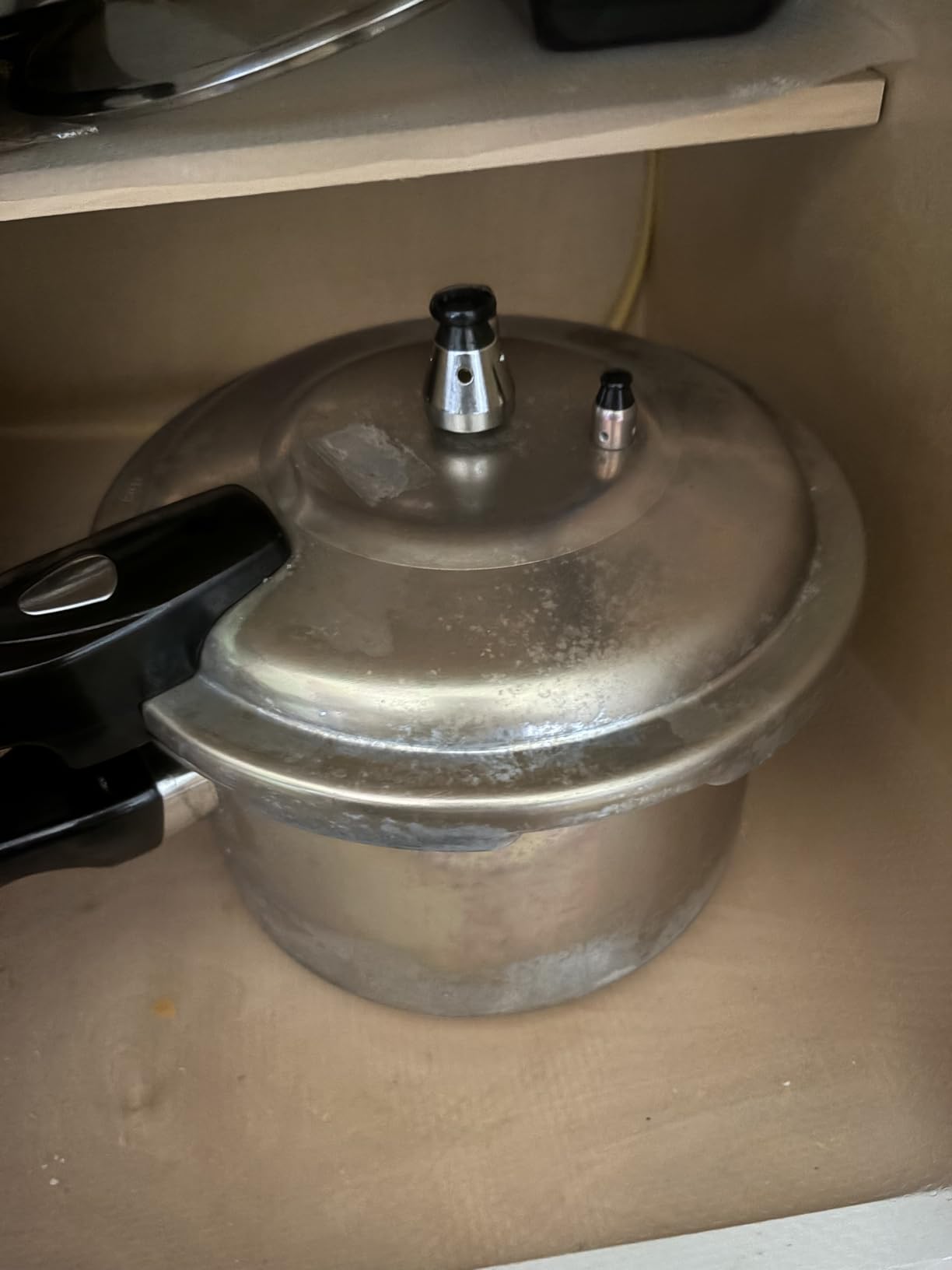
The airtight seal and triple-safety system with a high-precision regulator and multiple valves mean it is not a toy. Reviews describe meals cooking up to 70 percent faster than conventional methods, and 83 percent of 619 ratings are five star.
The limits are about canning. Several buyers note that the 6-quart capacity is smaller than they need and that they ended up ordering a larger vessel for preserving, which is the honest reason this sits low in a canner-first list.
Who it suits
Households cooking daily for two or three people, and anyone who wants an induction-ready pressure cooker they can lift with one hand.
Where it frustrates
Preservers. A handful of jars at a time is fine for a weekend of jam, but it will not touch a garden harvest.
10. BreeRainz 5.3-Quart Stovetop Cooker and Canner for Small Kitchens
BreeRainz 5.3 Qt Stovetop Pressure Cooker & Canner, 10 PSI Induction Compatible Aluminum Pressure Canning Pot, Fast Cooking 70% Faster, Safe Triple Valve System, for Home & Small Kitchens
5.3-quart aluminum body
Holds a steady 10 PSI
Induction gas electric and ceramic
Rack included
Pros
- Maintains stable 10 PSI for real home canning
- Works on induction gas electric and ceramic stovetops
- No electronics so there is nothing electronic to fail
- Compact footprint suits small kitchens
- Canning and steaming rack included
Cons
- Holds only about four pints so canning season means many batches
- One review describes the handles as rickety to assemble
- Needs enough water to build and hold steam which is easy to get wrong
- One of the smallest review bases here limits long-term durability data
What makes this interesting is the 10 PSI claim in a pot this small. A genuine canning pressure in a 5.3-quart body is unusual, and the high-pressure steam lifting the boiling point to 240F is exactly the threshold pressure canning needs.
The design is deliberately simple. Heavy-gauge aluminum with a stainless steel clad base means it works on induction, gas, electric and ceramic, and there are no electronics, so nothing electronic can fail.
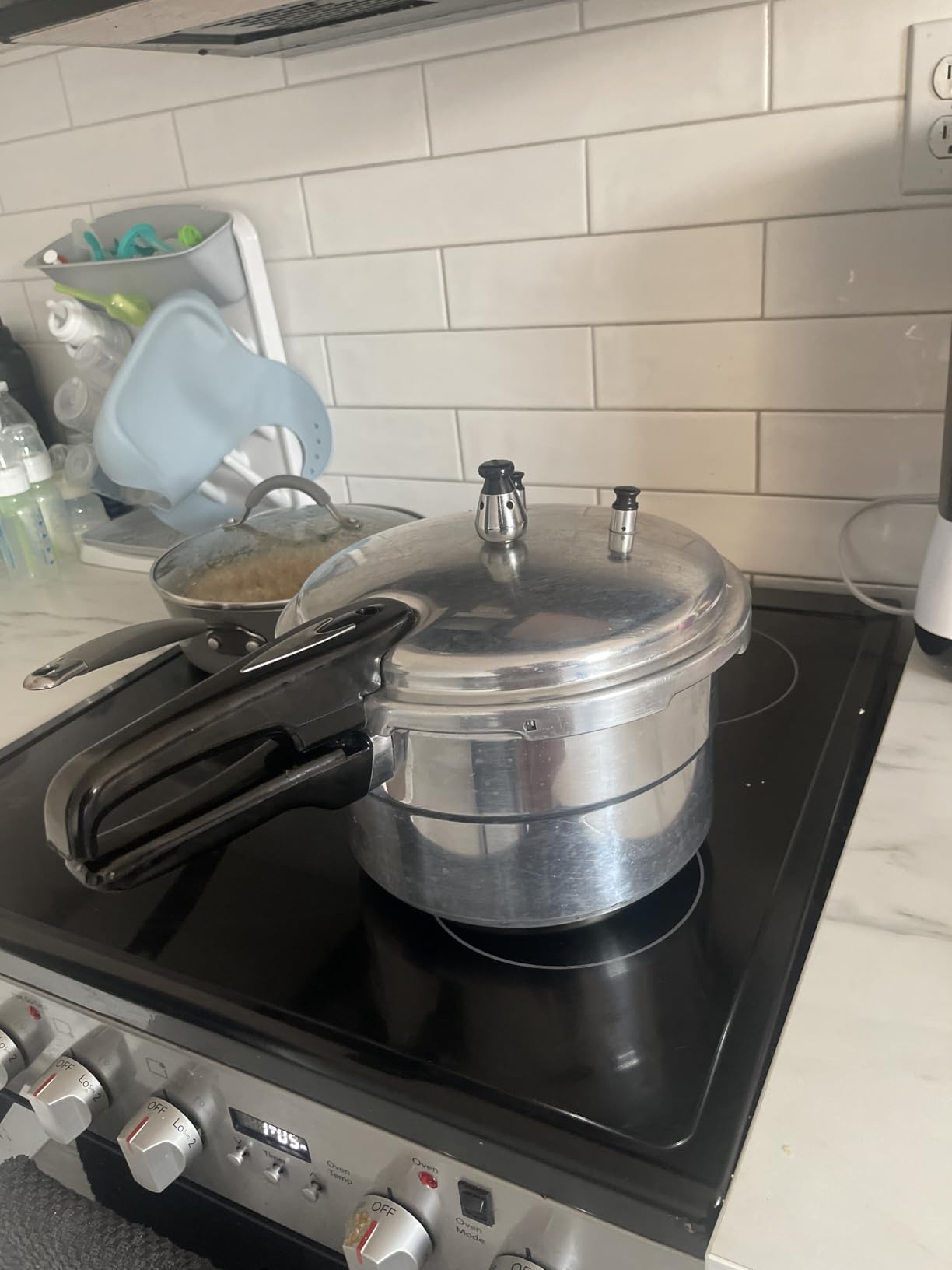
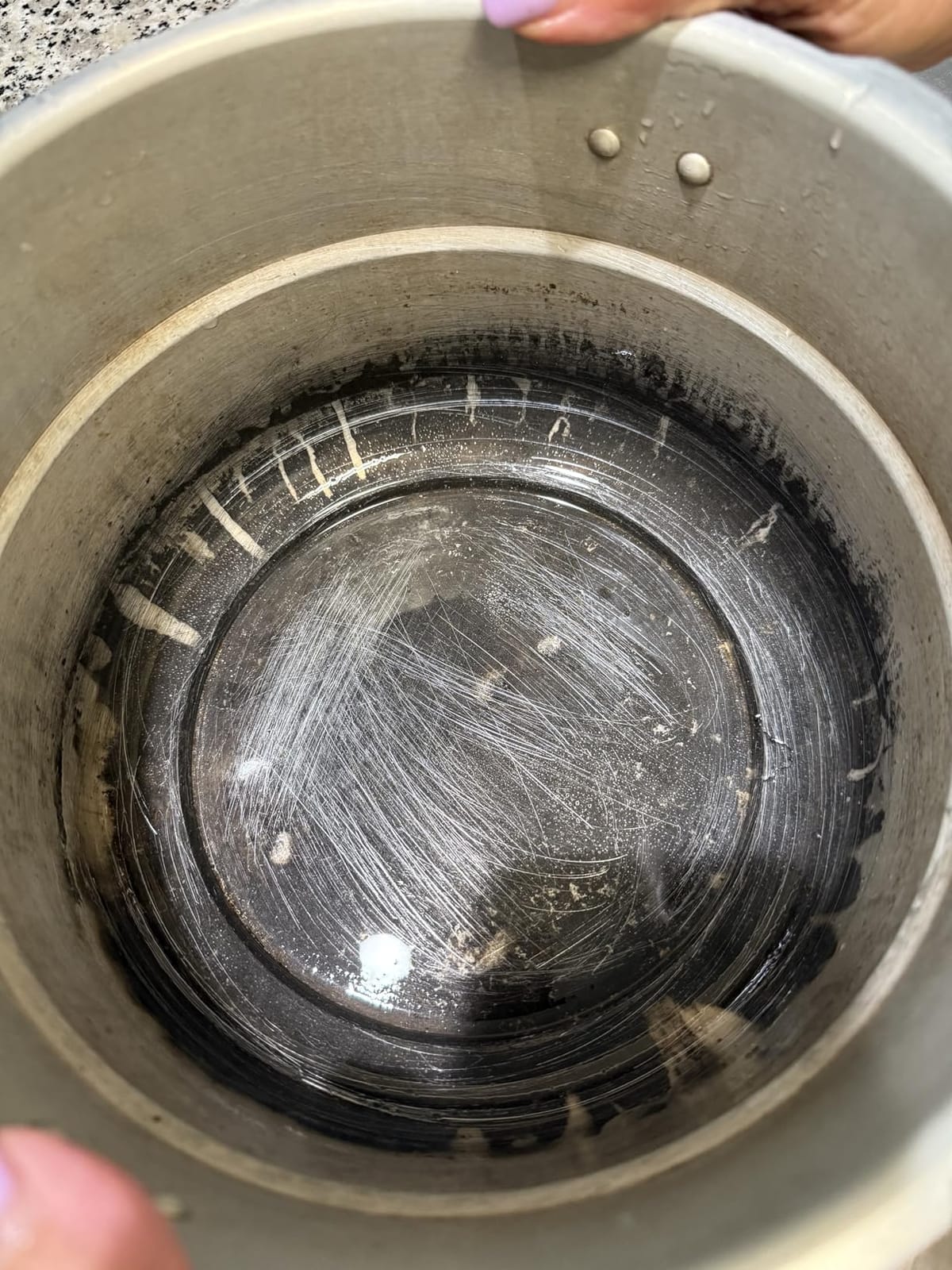
A triple protection system covers a pressure regulator valve, a safety valve and a self-locking lid. The smooth interior and detachable sealing components are easy to keep clean, and 82 percent of 179 reviews are five star.
Two cautions. One reviewer describes the handles as rickety to assemble and not reassuring under pressure, which is worth weighing on a vessel that will hold 240F, and the pot needs enough water to build and sustain steam, a mistake that is easy to make.
Who it suits
Apartment kitchens and single households that want to can a few jars of beans or broth at a time, and cooks who prefer an induction-ready stovetop pot with no electronics.
Where it frustrates
Serious preservers and anyone nervous about build quality. Four pints per cycle is a hobby batch, and 179 reviews is too small a base to plan a decade of service around.
11. VEVOR 8-Quart Stainless Pressure Cooker With Spare Parts
VEVOR Pressure Cooker, 8Qt Pressure Cooker Stainless Steel, Pressures Canner with Steaming Rack, Tempered Glass Lid, Three Pressures Settings for Meat, Beans, Rice, Soup, Sauces, Cook up to 100 kPa
8-quart 304 stainless body
Manual release plus 60kPa and 100kPa
Triple-layer induction base
Removable steamer rack and glass lid
Pros
- Stainless body resists rust and staining unlike aluminum rivals
- Triple-layer base works on induction ceramic electric and gas
- A red pressure indicator blocks the lid from opening under pressure
- Locks and unlocks one-handed via a rotating knob
- Spare valves and sealing rings included in the box
Cons
- Relief valve opens almost as soon as the ball pops up
- Not deep enough to can anything larger than 8 oz jars
- Spare parts are not sold separately
- Some reviews dispute the stated capacity
This is a cooking pot, not a canner, and the 4.2 rating across 126 reviews with 11 percent one star reflects that. The stainless 304 body and triple-layer base that handles induction, ceramic, electric and gas are genuinely good.
The red pressure indicator that prevents the lid from opening under pressure is a sensible safety touch, and locking and unlocking with a rotating knob works one-handed, which matters when the pot is full.
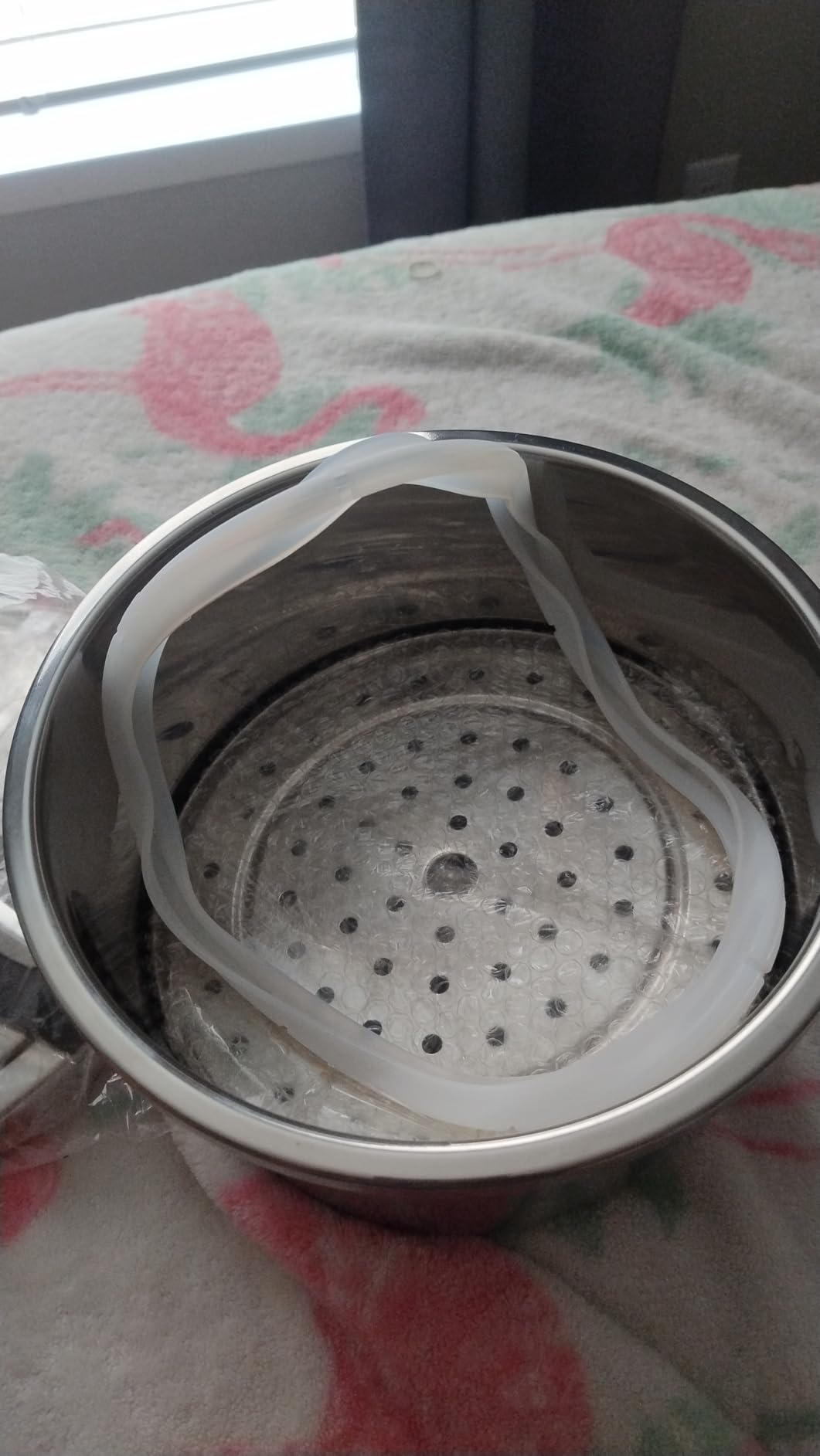
For cooking, the three-in-one design combines a soup pot, a removable tripod steamer rack and pressure mode, with the option of manual release, 60kPa or 100kPa. Spare weighted valves and silicone sealing rings are included in the box, which is unusual and useful.
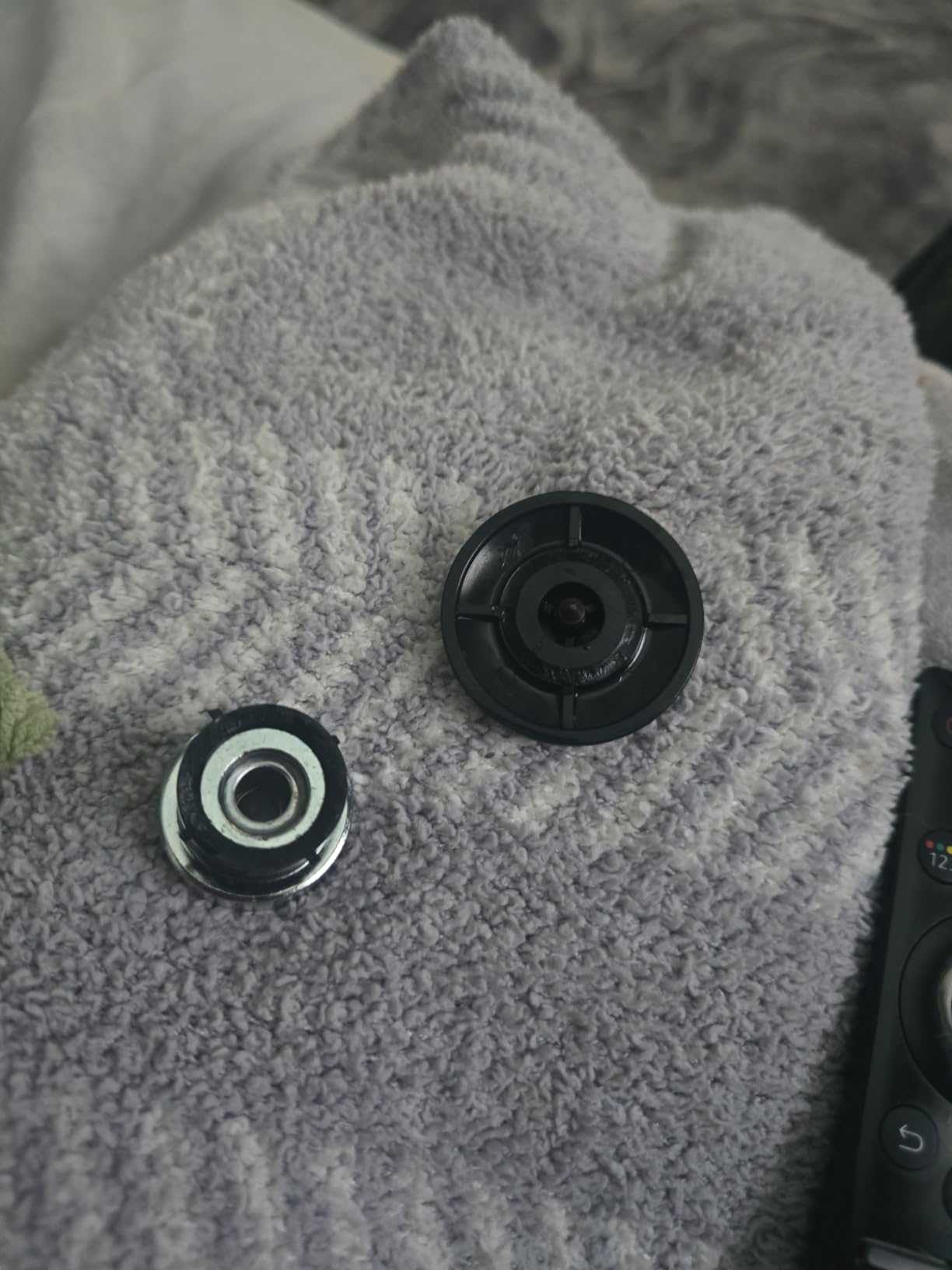
The technical problem is the valve. Reviewers report the relief valve opening almost as soon as the ball pops, so pressure barely exceeds boiling, and the interior is too shallow to can anything larger than 8 oz jars. Spare parts are not sold separately, so a failed valve means a new pot.
Who it suits
Everyday cooks who want a stainless pressure cooker with induction support and a steamer rack, and who like finding spare seals in the box.
Where it frustrates
Anyone hoping to can. Treat it as a pressure cooker only, and note that the three listed settings are really two, since the first is manual release.
12. Fulgutonit 5.3-Quart 10 PSI Pressure Cooker and Canner
Fulgutonit 5.3 Quart Pressure Cooker, 10 Psi Pressure Canner
5.3-quart aluminum body
Holds a stable 10 PSI
Induction compatible honeycomb base
Safety valve with audible alarm
Pros
- Holds a stable 10 PSI which is a genuine canning pressure in a small pot
- Induction compatible through a stainless clad honeycomb base
- One safety valve sounds an audible alarm as a warning
- Convenient for everyday cooking as well as small-batch canning
- Lightweight and easy to grip with sturdy handles
Cons
- 5.3-quart size is small and some reviewers found it smaller still
- A few buyers perceive the build as thin
- Only about four pint jars per batch
- Small review base limits confidence in long-term durability
The triple valve system holds a steady 10 PSI climbing to 240F, which is a real canning pressure rather than a cooking-only figure, and the listing states it holds at least four pint jars. That is an honest small-batch canner.
Owners like the low water use and the fact that it is fast, and 84 percent of 131 reviews are five star for a unit this small.
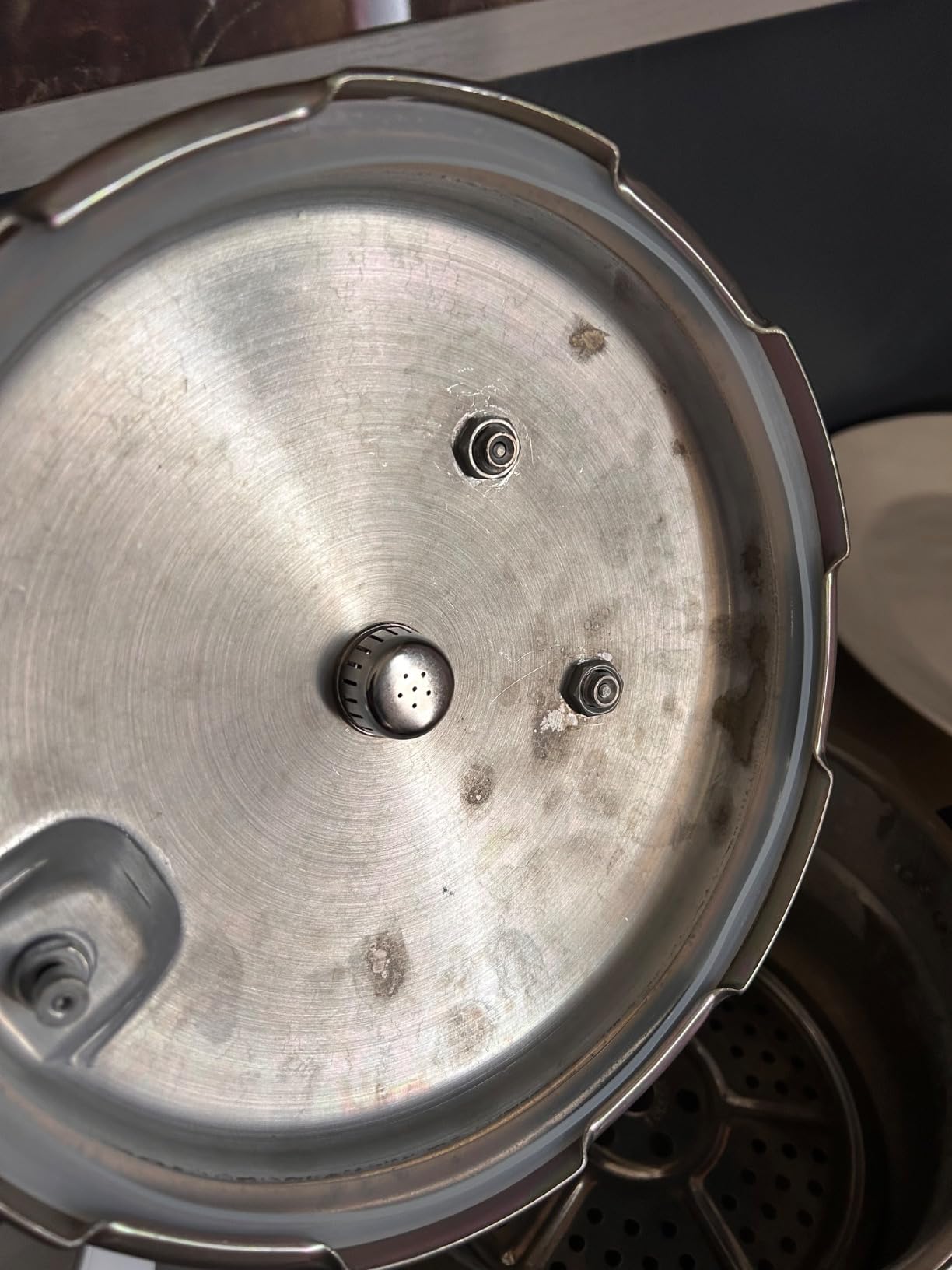
The stainless clad honeycomb base works on every cooktop including induction, which very few 5.3-quart pots do. One of the two safety valves sounds an audible alarm, and a dedicated window lets the gasket release in an emergency rather than trapping pressure.
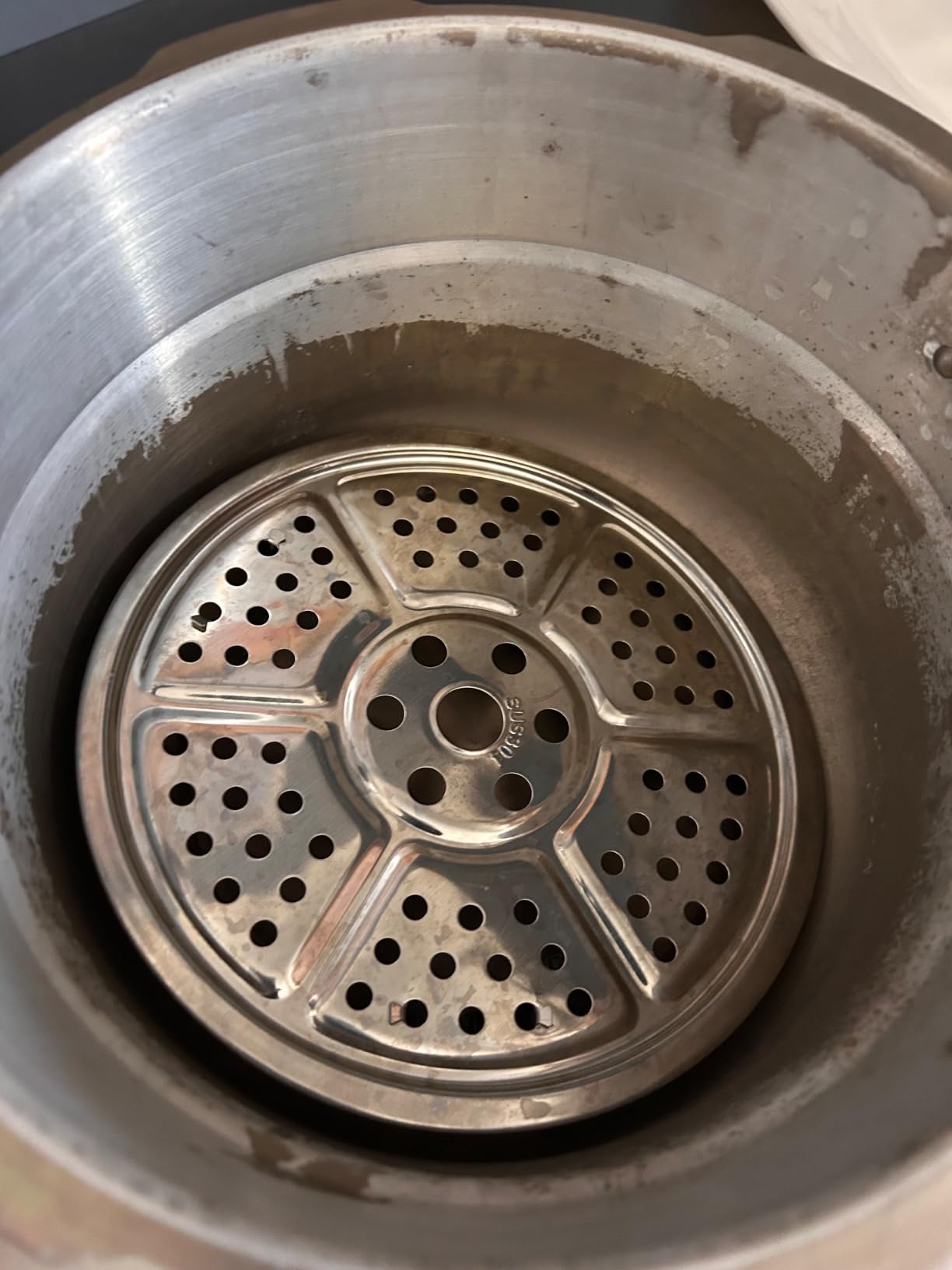
The warranty is one year, well short of the 12-year coverage on the Presto 01781. Several reviewers also question the build quality for a pressure vessel, and a few describe the 5.3 quart as smaller than they expected once the rack and headspace are accounted for.
Who it suits
One or two people who want to put up beans or broth a few jars at a time on an induction hob, and cooks who want a compact pot that genuinely holds canning pressure.
Where it frustrates
Anyone preserving a harvest. Four pints per cycle turns a garden into a very long weekend, and the short warranty plus thin review base argue for a bigger vessel if you plan to do this every year.
How to Choose a Pressure Cooker and Canner Combo?
Decide which job comes first. A true dual-use vessel has to hit canning temperature, which is a higher bar than a cooking pot. If you mainly want dinner on the table, read our electric pressure cookers for beginners guide instead. If preserving matters, only buy from a list that names a canning rating.
Size rule of thumb. Start at 16 quart for one to two people, move to 22 or 23 quart for a real garden or any meat, and only consider smaller sizes if you are boiling water canning jams and jellies. Canners consistently advise 23 quart if you intend to stack pint jars two high.
Weight-style or dial gauge. A weighted regulator gives continuous audible feedback and needs no battery or calibration, and it is the style many experienced canners in the forums recommend. A dial gauge reads the full pressure range, which is the better choice at high altitude, but it should be checked periodically for accuracy.
Gasket economics. Silicone gaskets are consumables that stretch, harden and need replacing every few seasons, and the ongoing cost is the single most common complaint from Presto owners. A gasket-free metal-to-metal design such as the All American eliminates that line of expense permanently, at a higher entry cost. If you are handy and plan to can for years, factor the recurring parts into the decision rather than the sticker figure alone.
Altitude. At higher elevations water boils cooler, so processing times must increase or the jars are under-processed. A dial gauge with a full range, or an electric unit that adjusts automatically, removes the most common reason people under-process jars.
Stovetop and induction. Aluminum canners are generally smooth-top and gas compatible but not induction compatible, unless the model has a clad base. Check what your range is before you commit, and confirm the pot fits the burner. Induction cooks can start with a range built for high-output cooking if your current hob struggles with a 23-quart vessel.
Material. Aluminum is light, fast to heat and inexpensive but will stain and reacts with acidic food. Stainless steel is more neutral and easier to keep looking new, but heavier and slower to respond. Anodized aluminum sits in between. For a dedicated canner, material matters less than sealing system and gauge type.
Frequently Asked Questions
Can any pressure cooker be used as a canner?
No, not unless the manufacturer specifically rates the unit for pressure canning. A household electric multicooker is built to cook food quickly, not to hold 240F and 10 to 15 PSI for the processing times printed in tested recipes, and most are too shallow to seat jars on a rack. Look for a unit whose listing names pressure canning and follows NCHFP or USDA tested recipes.
What is the difference between a pressure cooker and a canning pressure cooker?
A pressure cooker is designed to speed up cooking. A pressure canner is designed to destroy Clostridium botulinum spores in low-acid food, which means it must reach and hold 240F or above at 10 to 15 PSI for the full processing time. Many pressure canners also work as pressure cookers, but the reverse is almost never true. A canner is a food-safety device first and a cooking pot second.
Is there a pressure canner that doesn’t require a gasket?
Yes. Gasket-free designs use a precision machined metal-to-metal sealing system with positive clamping, which is the signature feature of the All American 910 in this roundup. The trade-off is a higher entry cost. Caners that use a silicone gasket need to replace it every few seasons, and finding the correct part for older models can be awkward.
What are the differences between Presto and All American pressure canners?
Presto offers dial-gauge aluminum canners in large capacities, including a 23-quart model that holds 26 half-pints or 20 pints, backed by a 12-year limited warranty and a large body of owner reviews. All American uses a gasket-free metal-to-metal seal in a smaller, heavier, US-made cast aluminum body. Presto wins on batch size and cost, All American on seal durability and serviceability.
What are some common problems with Presto pressure canners?
Owners most often mention the weight when the pot is loaded, the long heat-up and cool-down times on a large aluminum body, the need to replace the silicone gasket periodically, and the fact that dial-gauge models should have their gauge accuracy checked. Aluminum interiors also discolour and are reactive with acidic foods, which matters if you cook in the same pot.
How many jars fit in a 16-quart pressure canner?
Capacity scales with the vessel. The 23-quart Presto in this roundup is rated for 26 half-pints, 20 pints or 7 quarts, while a 10.5-quart model holds roughly 7 pints or 4 quarts. Actual output depends on jar mouth size and the processing weight of the food. If you plan to stack pint jars two high, move up to 22 or 23 quarts rather than buying a second smaller vessel.
Is the All American pressure canner worth the extra money?
If you plan to can for many seasons, the metal-to-metal seal pays for itself by removing the recurring gasket cost, and the US build with parts still available supports long service. If you are only putting up a few jars of jam, the extra spend is hard to justify and a 16-quart Presto makes more sense. Canners in the forums tend to agree with that split.
The Verdict: Where to Start in 2026
If you are new to preserving in 2026, start with the Presto 01781 23-quart. It takes the biggest batch of the canners here, carries a deluxe dial gauge for altitude work, and has the deepest pool of real owner feedback we could find, which matters when you are trusting a vessel with food safety.
If you would rather never think about a gasket again and your household is small, the All American 910 is the better long-term buy. If your kitchen cannot take a hot stovetop in July, the NESCO NPC-9 lets you can a few jars quietly while the rest of the house carries on.
Whichever you choose, work from a tested recipe, check the gauge and seal each season, and never improvise a processing time. You can see how the rest of our kitchen picks compare in our roundups of pressure canners for home canning and large-format cookers for big kitchens.