
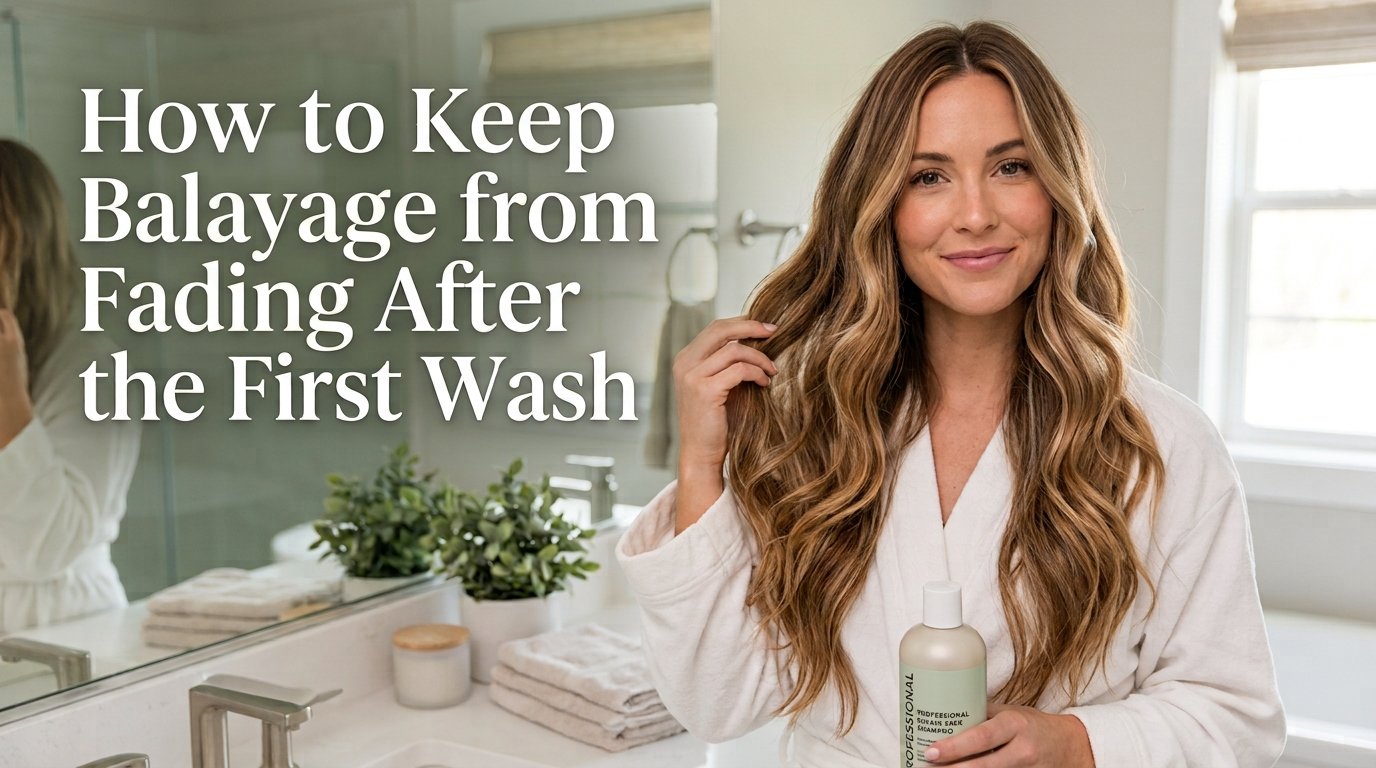
If you just walked out of the salon with a fresh balayage and you are already worrying about what happens when you wash your hair, you are not alone. The truth is that some fading after the first wash is completely normal. Balayage is a hand-painted coloring technique that deposits color molecules into the hair shaft, and those molecules need time to settle. At Mercer Street Salon, we have guided hundreds of clients through the critical first days after their balayage appointment. The first wash is the most important moment for color retention. What you do during that first wash will determine how long your investment lasts. In this guide, I will walk you through exactly how to keep balayage from fading after the first wash. You will learn the science behind why fading happens, a step-by-step first-wash protocol, and what to expect in the weeks after your appointment. Let me be clear: a little fading is expected. But with the right technique, you can preserve 80 to 90 percent of your original color vibrancy well past those first few washes.
Table of Contents
Does Balayage Fade After the First Wash?
Yes, some fading after the first wash is normal and expected. Your colorist has just deposited fresh pigment into your hair, and the first rinse will wash away some of the surface color. This is not a failure. It is simply how the process works. Think of it like painting a wall. The first coat needs to settle before the final color shows through. The same principle applies to your balayage. What matters is controlling how much fades and protecting the color that remains. With the right technique, the fading you see after your first wash should be minimal. A slight lightening of one or two shades is normal. If your hair looks drastically different after one wash, something went wrong during the application or you washed too soon.
Most clients who follow our guidance see only a subtle shift in their color after the first wash. The blonde brightens slightly. The caramel tones warm up a bit. This is the color settling into its natural state. It is not a sign that your balayage is ruined. In fact, many stylists plan for a small amount of initial fade when mixing their formulas. The goal is to make sure that first wash does not strip out the depth and dimension your colorist built by hand.
The Science Behind First-Wash Fading
To understand how to keep balayage from fading after the first wash, you need to understand what is happening inside your hair shaft. Each strand of hair is covered in tiny scales called cuticles. In healthy hair, these cuticles lie flat and smooth. When you get a balayage, your colorist uses lightener to lift the cuticle and deposit new color molecules into the cortex, which is the inner layer of the hair. After the service, those cuticles need time to close back down and lock the color in place.
The first wash is critical because water and shampoo both open the cuticle. When hot water hits your hair, the cuticles swell and lift. Any color molecules that have not fully bonded to the cortex wash right out. This is why the first wash causes the most dramatic fading. It is not that the color is weak. It is that the cuticle is still in an open, vulnerable state from the lightening process. Hair porosity also plays a major role. If your hair is highly porous from previous coloring or damage, it will release color faster. Less porous hair holds onto pigment more tightly. This is why some clients report barely any fading while others see more significant changes.
The oxidization process continues for about 48 hours after you leave the salon. During this window, the color molecules are still settling and bonding to your hair. Washing before this process completes interrupts the bonding. You end up washing away color that would have stayed if you had waited. This is the core reason the 48-hour rule exists. It is not an arbitrary rule. It is based on the chemistry of how lightener and toner interact with your hair structure.
How to Keep Balayage from Fading After the First Wash
The single most important thing you can do is time your first wash correctly and use the right technique when you finally step into the shower. Most of the advice you will read online covers general balayage aftercare. But very few sources address the specific mechanics of that first wash. The difference between a good first wash and a bad one often comes down to water temperature, product choice, and how hard you scrub. I have seen clients who waited 48 hours but still lost significant color because they used hot water and a regular shampoo. I have also seen clients who followed the protocol exactly and kept nearly all of their original vibrancy. The technique matters as much as the timing.
In the sections below, I will walk you through the complete protocol. We will cover the 48-hour waiting rule, the exact steps for your first wash, the products that make a difference, and what to do in the weeks after your appointment. I will also share a week-by-week timeline so you know what fading to expect and when to book a toner refresh. If you are worried about your balayage investment, this guide will give you the confidence to protect it. The steps are simple, but they require discipline, especially during those first few days when your hair feels heavy and oily.
The 48-Hour Rule: Why Waiting Is Critical
The 48-hour rule is the foundation of balayage aftercare. When you leave the salon, your hair is still in an active oxidization state. The lightener has lifted your cuticle and the toner has deposited new color. That color needs time to fully bond to the cortex. Rushing this process by washing too early breaks those bonds before they form. At Mercer Street Salon, we always tell clients to wait a full 48 hours before their first wash. This is not a suggestion. It is a critical part of the color-setting process.
During those 48 hours, you should avoid anything that opens the cuticle. Skip the sauna, the hot tub, and intense workouts that make you sweat heavily. Sweat can be slightly acidic and may affect the toner settling process. Instead, keep your hair dry and loosely styled. A silk pillowcase is a smart investment for these first few nights. Silk reduces friction, which means less mechanical fading from tossing and turning. It also helps preserve your style between washes so you do not feel tempted to wash your hair sooner than you should. If you have an event during those 48 hours and need your hair to look fresh, use a dry shampoo at the roots and a smoothing serum on the ends.
We get asked constantly whether 24 hours is enough. Based on our experience and the chemistry of color bonding, 24 hours is not enough. The oxidization process needs the full 48-hour window to complete. Clients who wash at the 24-hour mark consistently report more fading than those who wait the full two days. We understand the temptation. Your hair feels oily. You have somewhere to be. But the payoff for waiting is worth it. Your color will be deeper, richer, and more dimensional if you give it those two full days to set.
Your First Balayage Wash: Step-by-Step Guide
When your 48 hours are up, it is time for your first wash. This is the moment that matters most. The technique you use here will set the tone for every wash that follows. I want to walk you through the exact steps our stylists recommend to their clients. Follow this protocol and you will minimize fading significantly.
Step 1: Set Your Water Temperature
Use lukewarm water, never hot. Aim for a temperature between 85 and 95 degrees Fahrenheit. Hot water opens the cuticle aggressively and washes out pigment. Lukewarm water cleanses the hair without causing excessive cuticle swelling. If you are unsure about the temperature, test it on your wrist before getting your hair wet. It should feel comfortably warm, not steaming.
Step 2: Choose the Right Shampoo
Use a sulfate-free, color-safe shampoo. Sulfates are harsh cleansing agents that strip color from the hair shaft. They are the number one cause of premature balayage fading. A color-safe shampoo cleanses gently while preserving the pigment in your cortex. Apply a quarter-sized amount to your palms, lather lightly, and focus the shampoo on your scalp. Do not pile your hair on top of your head and scrub vigorously. This creates friction that lifts the cuticle and releases color.
Step 3: Wash with Gentle Pressure
Massage the shampoo into your scalp using your fingertips, not your nails. Use circular motions with gentle pressure. Let the suds run down the length of your hair as you rinse. The ends of your hair are the most porous and the most vulnerable to color loss. They need the least amount of direct shampoo contact. A 2 to 3 minute wash is plenty. There is no benefit to standing in the shower longer.
Step 4: Apply Conditioner Strategically
After rinsing, apply a color-safe conditioner from the mid-lengths to the ends. Avoid the roots unless your hair is very dry. Conditioner helps close the cuticle and lock color in. Leave it on for 2 to 3 minutes while you finish your shower routine. Rinse with cool water for the final 30 seconds. Cool water helps seal the cuticle flat, which preserves color and adds shine.
Six Essentials for Long-Lasting Balayage
After helping hundreds of clients maintain their balayage, I have narrowed down the essential steps that actually make a difference. These are the practices that separate clients whose color stays vibrant for months from those who need a toner refresh every four weeks. Following these six essentials will help you keep balayage from fading after the first wash and beyond.
1. Wait the full 48 hours before washing. This is non-negotiable. The oxidization process needs time to complete. Washing early interrupts color bonding and causes unnecessary fade. Plan your salon appointment on a day that gives you a full weekend before your next wash.
2. Switch to sulfate-free shampoo immediately. Regular shampoo contains sulfates that strip color molecules from the hair shaft. A sulfate-free, color-safe formula cleanses without sacrificing your pigment investment. This is the single most impactful product change you can make.
3. Rinse with cool or cold water. Hot water opens the cuticle. Cool water closes it. Ending every wash with a 30-second cool rinse seals the cuticle flat and locks color inside. The difference is noticeable within the first few washes.
4. Deep condition once a week. Balayage lightens the hair, which increases porosity and dryness. A weekly hair mask or deep conditioning treatment restores moisture balance and helps the cuticle stay healthy. Healthy cuticles hold color better than damaged ones.
5. Limit heat styling to two times per week. High heat from flat irons and curling wands raises the cuticle and fades color. When you do style with heat, always use a heat protectant spray. Air drying is your best friend in the early weeks after a balayage appointment.
6. Book a toner refresh every six to eight weeks. Balayage is not a permanent color. The toner that gives your highlights their cool or warm tone will fade over time. A toner refresh appointment deposits fresh pigment and brings back the dimension your colorist created. This is the secret to keeping balayage looking fresh between full coloring sessions.
Washing and Rinsing Best Practices
How you wash your hair matters as much as when you wash it. Many clients focus entirely on the 48-hour rule and then use terrible technique when they finally do wash. Water temperature, shampoo choice, and rinsing method all influence how much color stays in your hair.
Lukewarm water is the sweet spot for both washing and rinsing. If your water feels hot on your skin, it is too hot for your balayage. Keep the temperature moderate. On the rinsing end, finish every wash with 30 seconds of cool water. This is not about comfort. It is about cuticle sealing. The cool blast pushes the cuticle scales back down flat against the hair shaft. Flat cuticles reflect light better, which means shinier hair and less fading.
Washing frequency is another key factor. We recommend washing balayage hair no more than two to three times per week. Less frequent washing gives the color more time to settle and reduces cumulative exposure to water and shampoo. If your roots get oily between washes, use a dry shampoo targeted at the scalp. Hold the can 6 to 8 inches from your head and spray in short bursts. Let it sit for 30 seconds, then brush through. This absorbs oil without wetting the hair.
If you live in an area with hard water, you have an extra challenge. Hard water contains minerals like calcium and magnesium that deposit on the hair shaft and create a dull, brassy cast over time. These minerals also interfere with color bonding. If you have hard water, consider installing a filtered showerhead. A clarifying shampoo once a week can remove mineral buildup, but use it sparingly. Too much clarifying strips the color you are trying to protect. A vinegar rinse is a gentler alternative for removing hard water deposits without sacrificing pigment.
Do’s and Don’ts of First-Wash Balayage Care
The first wash after a balayage appointment is full of small decisions that add up to big results. It helps to have a clear list of what to embrace and what to avoid. Here is a straightforward comparison to keep in mind during those crucial first weeks.
Do wash with lukewarm water on day three at the earliest. Give your color the full 48 to 72 hours to set. Cool water on the final rinse seals the cuticle. Use a sulfate-free shampoo from your first wash forward. Focus shampoo on the scalp and let it cleanse the lengths as you rinse. Apply conditioner from the mid-lengths down. Pat your hair dry with a microfiber towel instead of rubbing with a regular cotton towel.
Do not wash your hair with hot water at any stage. Hot water is the fastest way to open your cuticle and wash out pigment. It also dries out the hair, which increases porosity and accelerates fading. Do not pile your hair on top of your head while shampooing. This rough handling lifts the cuticle unnecessarily. Do not use regular drugstore shampoo, even if it claims to be for color-treated hair. Check the ingredient list for sulfates like sodium lauryl sulfate and sodium laureth sulfate. Do not skip conditioner. Conditioner is not optional for balayage hair. It closes the cuticle and locks color in.
Between-Wash Care: Keeping Color Fresh
The time between washes is just as important as the wash itself. What you do on non-wash days determines how vibrant your balayage stays over the long term. Dry shampoo is your best friend for extending time between washes. It absorbs excess oil at the roots without adding moisture to the hair shaft. Apply it to dry hair, wait 30 seconds, then brush or shake it out. Avoid overusing purple shampoo in the early weeks. Purple shampoo deposits cool ash tones to neutralize brassiness, but using it before the two-week mark can create an ashy or muddy cast on fresh color. Save purple shampoo for maintenance after your first two weeks.
A lightweight hair oil or serum adds shine and creates a protective barrier against environmental damage. A few drops applied to the ends of damp hair before air drying smooths the cuticle and reduces frizz. Leave-in conditioner works the same way on days when you need extra moisture. Apply it to damp hair, focusing on the ends. It provides an extra layer of cuticle protection without weighing fine hair down. At night, swap your cotton pillowcase for a silk or satin one. Cotton absorbs moisture and creates friction, both of which contribute to color loss. Silk pillowcases are also gentler on the hair cuticle, which means less breakage and less fading over time.
A Week-by-Week Balayage Fading Timeline
Understanding what to expect helps you avoid panic when your color shifts slightly. Balayage fading does not happen all at once. It follows a predictable pattern over the first two months. Knowing this timeline helps you plan your maintenance schedule and avoid unnecessary alarm when you notice subtle changes.
Week 1: The first wash causes the most noticeable fading. Expect your highlights to lighten by one to two shades. Blonde balayage may shift slightly warm. Caramel and brown tones may lose some depth. This is normal. The color is settling into the hair shaft. By the end of week one, the dramatic fade slows down significantly.
Weeks 2 to 3: Your color enters a stable phase. The initial lightening has happened, and now the remaining pigment is bonded more securely to the cortex. This is the sweet spot where your balayage looks most natural. The sun-kissed effect your colorist created should be fully visible. If brassiness appears, you can start using purple shampoo once or twice a week.
Weeks 4 to 6: Slow, gradual fading continues. The top layers of your hair will show the most wear from sun and washing. The underneath layers, which received less lightener during the balayage application, will retain their color longer. This natural variation is part of what makes balayage look so low-maintenance and beautiful. By week six, you may notice your color is about 20 to 30 percent lighter than day one.
Weeks 6 to 8: This is the ideal window for a toner refresh. A gloss or toner treatment deposits fresh pigment and revives the cool or warm tones your colorist originally selected. A toner refresh takes about 30 minutes in the salon and costs significantly less than a full balayage application. It extends the life of your color by another six to eight weeks. Most of our clients at Mercer Street Salon book this appointment at the six-week mark to keep their balayage looking freshly painted.
Common Balayage Mistakes That Cause Fading
Even with the best intentions, it is easy to make mistakes that accelerate fading. Here are the most common errors I see clients make in the weeks after their balayage appointment.
Washing before the 48-hour mark is the most damaging mistake you can make. It interrupts the oxidization process and washes away color that would have bonded. Using a sulfate-based shampoo is a close second. Sulfates are powerful cleansers that strip color molecules from the cortex. They turn a subtle fade into a dramatic one within just a few washes. Hot water is another frequent culprit. Many people shower on autopilot and do not think about temperature. If your water is hot enough to turn your skin pink, it is hot enough to lift your cuticle and release pigment.
Overusing purple shampoo causes problems too. Purple shampoo neutralizes brassy yellow tones, but it also deposits cool pigment. Using it too early or too often on fresh balayage creates an ashy, muted effect that no one wants. Skip purple shampoo entirely for the first two weeks. After that, limit it to once or twice a week. Skipping deep conditioning treatments is another mistake. Balayage lightens the hair, which increases porosity. Without regular moisture, the cuticle stays rough and raised. Raised cuticles release color faster. A weekly hair mask keeps the cuticle smooth and helps color stay locked in. Finally, excessive heat styling with flat irons or curling wands opens the cuticle and fades color over time. If you must use heat, keep it below 350 degrees Fahrenheit and always apply a heat protectant spray first.
Frequently Asked Questions
Does balayage fade after the first wash?
Yes, mild fading after the first wash is normal and expected. Your colorist has deposited fresh pigment into the hair shaft, and the first rinse will wash away some surface color. With proper technique, the fading should be minimal. You will likely see a lightening of one to two shades, which is simply the color settling into its natural state.
How to keep your balayage from fading?
The best ways to keep balayage from fading include waiting the full 48 hours before your first wash, using sulfate-free shampoo, rinsing with cool water, limiting heat styling, deep conditioning once a week, and booking a toner refresh every six to eight weeks. Consistency with these habits preserves 80 to 90 percent of your original color vibrancy.
What are common balayage mistakes to avoid?
The most common mistakes are washing before the 48-hour mark, using sulfate-based shampoo, washing with hot water, overusing purple shampoo in the first two weeks, skipping deep conditioning treatments, and applying high heat without a heat protectant. Each of these mistakes opens the hair cuticle and releases color molecules prematurely.
How to wash hair after 2 days of getting a balayage?
On day three, use lukewarm water between 85 and 95 degrees Fahrenheit. Apply a sulfate-free shampoo to your scalp only using gentle fingertip massage. Rinse thoroughly, then apply color-safe conditioner from the mid-lengths to the ends. Finish with a 30-second cool water rinse to seal the cuticle. Pat dry with a microfiber towel instead of rubbing.
Can you wash balayage after 24 hours?
No, you should not wash balayage after 24 hours. The oxidization process needs a full 48-hour window to complete. Washing at the 24-hour mark interrupts color bonding and causes more fading than waiting the full two days. Our clients who wait 48 hours consistently report better color retention than those who rush.
Why did my balayage fade so fast?
Fast fading is usually caused by washing too soon, using sulfate-based shampoo, washing with hot water, having highly porous hair from previous damage, or skipping deep conditioning treatments. Hard water can also accelerate fading by depositing minerals that interfere with color bonding. Review your aftercare routine and compare it to the six essentials listed above.
How long does balayage last with proper care?
With proper aftercare, balayage color typically lasts six to eight weeks before a toner refresh is needed. The highlights themselves will grow out naturally over three to four months. Consistent use of sulfate-free shampoo, cool water rinses, weekly deep conditioning, and limited heat styling extends the life of your toner by several weeks in most cases.
What products should I use for my first balayage wash?
For your first wash, use a sulfate-free, color-safe shampoo and a matching color-safe conditioner. Avoid any product containing sulfates, harsh clarifying agents, or strong exfoliants. A gentle, hydrating formula is all you need. If your hair feels dry after the first wash, add a lightweight hair oil to the ends. Save specialized products like purple shampoo and bond repair treatments for after your first two weeks.
Balayage is one of the most flattering and low-maintenance color techniques available. The hand-painted effect creates natural-looking highlights that grow out beautifully. But that natural grow-out only happens if you protect the color during those critical first weeks. The steps we have covered in this guide are simple, but they require consistency. Wait 48 hours before your first wash. Use lukewarm water and sulfate-free products. Rinse cool. Deep condition weekly. Limit heat styling. Book your toner refresh on time. If you follow this routine, you will keep your balayage looking fresh and vibrant for six to eight weeks between salon visits.
If you are considering a balayage appointment or need help maintaining your current color, the team at Mercer Street Salon is here to help. We offer personalized balayage consultations, toner refresh treatments, and customized hair care recommendations based on your hair type and color goals. Book your appointment online or call us directly. Your color deserves the best care from day one, and we are here to make sure it stays beautiful.