
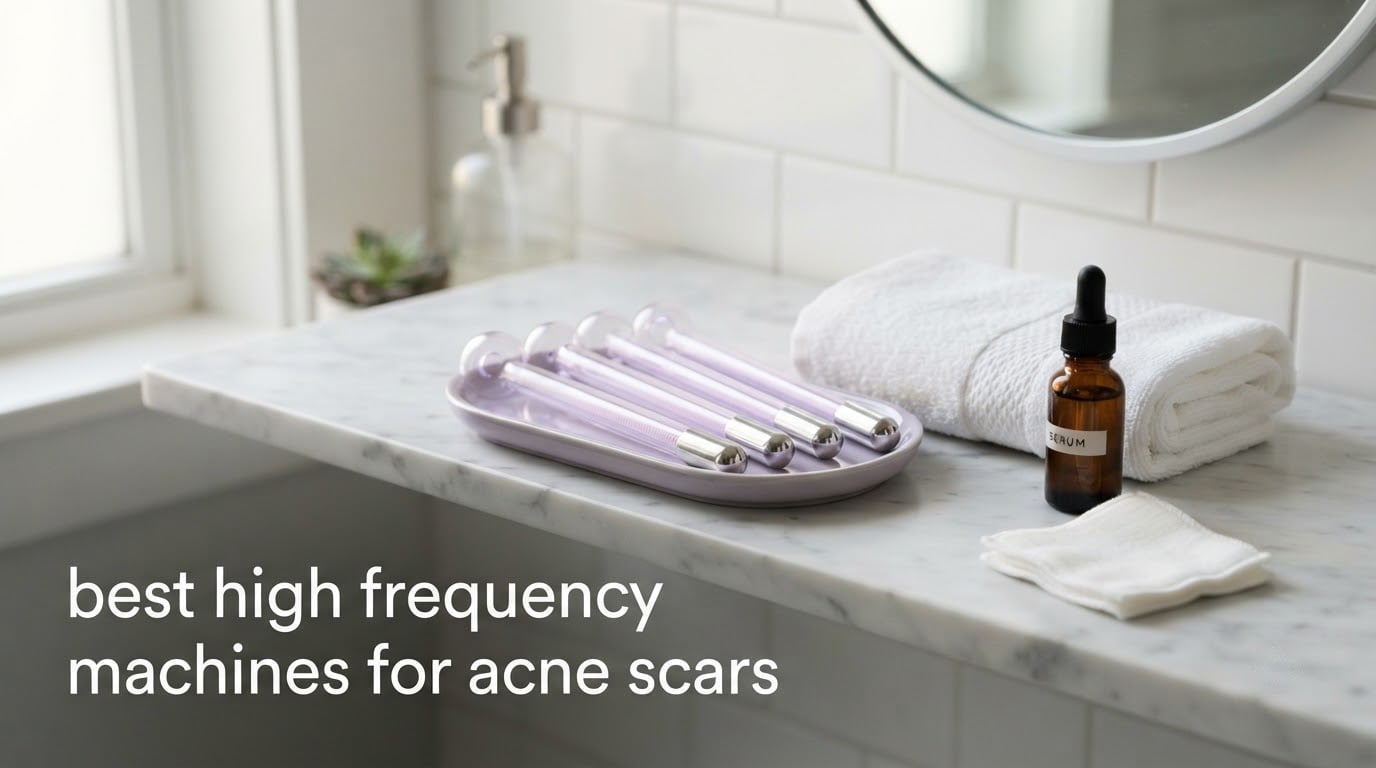
Most people searching for the best high frequency machines for acne scars are actually asking about two different problems, and the distinction decides whether a wand helps you at all.
A high-frequency wand sends a low-level electrical current through a gas-filled glass electrode, and where that electrode touches skin the gas releases oxygen and ozone that calm active breakouts. It can help the flat red and brown marks a breakout leaves behind, and it can flatten an active pimple overnight. What it will not do is fill in a pitted icepick scar or soften a rolling scar, because that requires rebuilding collagen under the skin over months.
That gap matters more than any spec on the box, so it is the filter we used. We read through the review history on ten of the most-reviewed high frequency wands on the market, comparing electrode range, power consistency and how each one behaved on a mix of active breakouts and old marks. Every pick below passed the same question: does this device do something useful for acne-prone, mark-prone skin, and how clearly does it signal its limits?
Updated for 2026, this guide covers all ten wands with their gas type, electrode set and honest drawbacks, plus the protocol, the colour guide and the contraindications.
If you want the shorter version, the high-frequency wands for acne roundup we keep updated separately tracks the same devices by skin type, and our LED face mask picks cover the full-face light therapy route that high frequency does not replace.
Table of Contents
Top 3 Picks for the Best High Frequency Machines for Acne Scars (October 2026)

NuDerma Handheld Wand
- 4 neon glass wands
- Spot treatment for active breakouts
- Fades post-acne marks
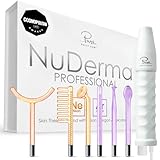
NuDerma Professional 6-Wand
- 6 neon and argon wands
- Argon spot wand for pimples
- Face neck arms and scalp
Can High Frequency Wands Fix Acne Scars? The Honest Answer
High frequency can fade acne marks, but it cannot remove pitted scars. The wand targets active breakouts and the flat discoloration they leave behind, known as post-inflammatory hyperpigmentation. It has no effect on icepick, rolling or boxcar scars, which are structural damage beneath the skin.
The reason is mechanical. When a pimple goes deep enough to damage the dermis, the heal lays down new tissue in a way that pulls the surface inward or leaves a dent. High frequency works at the surface: it oxidises the skin, reduces the bacteria that fuels acne, calms inflammation and nudges cell turnover. It does not deliver heat or current deep enough to break down scar tissue and stimulate the collagen remodeling that flattens a dent over time.
So the marks that respond are the ones that are still resolving on their own. A red mark from a pimple three weeks ago will fade faster with consistent oxygenating sessions. A brown patch on a medium or deep skin tone from months-old inflammation will fade more slowly but will fade. A crater left by a cyst five years ago will sit there no matter how faithfully you treat it.
That is not a failure of the technology, it is a scope issue. High frequency is an infection and inflammation tool, and it is genuinely good at that. If your acne scars are mostly flat and coloured, a wand earns its place in your routine. If they are pitted, the money is better spent on microneedling, radio frequency microneedling, fractional laser resurfacing, subcision or a dermatologist’s chemical peels. We cover the crossover in the section on when high frequency is the wrong tool.
What a realistic timeline looks like
Timelines matter here more than anywhere else in this category, because the mechanism is fast for a pimple and slow for a mark. On a fresh, inflamed cyst, owners report a visibly flatter lesion by the next morning and a two or three day reduction in swelling. That is the best case the technology delivers, and it arrives within a day.
Flat red marks take weeks. They fade fastest in the first month, when the blood vessel component is still resolving, and the rate slows as what remains is pigment rather than blood. Brown marks on deeper skin tones take longer still, often two to three months of consistent sessions plus daily sunscreen, because melanin clears through the surface rather than the bloodstream.
Skin texture and firmness are the slowest category, and reports of a smoother, tighter feel generally arrive somewhere between four and eight weeks of regular use. Anyone who judges a wand at two weeks is measuring noise rather than results.
Our advice in every case here is the same: pick a device, run it consistently for eight weeks, and compare against before photos taken in the same light rather than against memory.
The 10 Best High Frequency Machines for Acne Scars at a Glance
| Product | Specifications | Action |
|---|---|---|
| NuDerma Handheld Skin Therapy Wand |
|
Check Latest Price |
| NuDerma Professional 6-Wand System |
|
Check Latest Price |
 TUMAKOU Portable High Frequency Machine TUMAKOU Portable High Frequency Machine |
|
Check Latest Price |
 UUPAS Portable Violet Wand UUPAS Portable Violet Wand |
|
Check Latest Price |
 Quiet&Far 4-Tube High Frequency Wand Quiet&Far 4-Tube High Frequency Wand |
|
Check Latest Price |
 Lift Care Lift Wand 2.0 Lift Care Lift Wand 2.0 |
|
Check Latest Price |
 Uaike 4-in-1 Violet Wand Uaike 4-in-1 Violet Wand |
|
Check Latest Price |
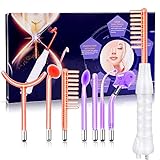 Meifuly 7-Tube Wand Meifuly 7-Tube Wand |
|
Check Latest Price |
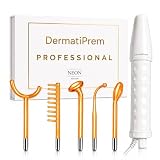 PureYou DermatiPrem Wand PureYou DermatiPrem Wand |
|
Check Latest Price |
 DARSONVAL High Frequency Wand DARSONVAL High Frequency Wand |
|
Check Latest Price |
1. Pure Daily Care NuDerma Handheld Wand – The One Most People Buy
Pure Daily Care NuDerma Handheld Skin Therapy Wand Machine w/Neon – Anti-Aging – Skin Tightening – Wrinkle Reducing – Dark Circles – Clarifying – Hair & Scalp Stimulator
4 neon glass applicators
2.01 lb
13.66 x 8.35 x 2.2 in
Neon gas fill
Pros
- Clears cystic and hormonal breakouts with daily use
- Visible smoothing and firming within one to two weeks
- Helps fade blemishes and post-acne marks
- Four applicators cover face scalp and spot work
Cons
- Fragile glass tips can snap off inside the handle
- Distinct metallic ozone scent during use
- North American 110/120V mains power only
With more than 21000 reviews averaging 4.4 stars, this is the wand we would put in front of a first-time buyer, and for active breakouts it earns that position. Owners with hormonal jaw and neck acne describe a consistent pattern: treat the spot, and it looks flatter and less angry by the next morning. The smoothing they report usually shows up within a week or two of daily sessions.
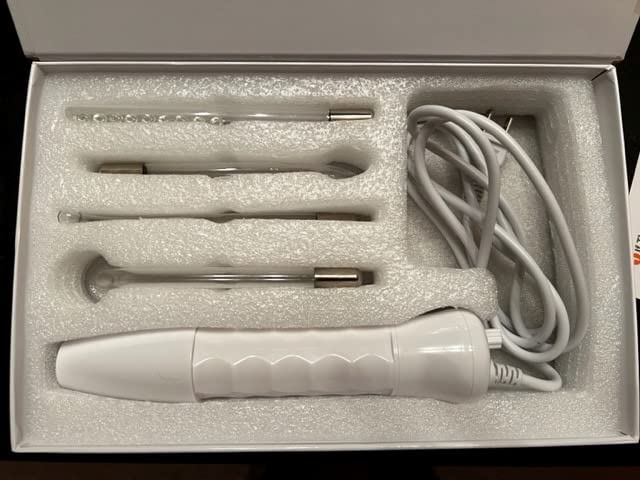
The four-tube set is what makes it versatile rather than single-purpose. You get a mushroom wand for broad passes over the cheek, a spot wand for individual lesions, a tongue wand that glides along the jawline, and a comb wand for the scalp. Nothing about that set is exotic, but having the right shape for each zone is what separates a wand you will use nightly from one that ends up in a drawer.
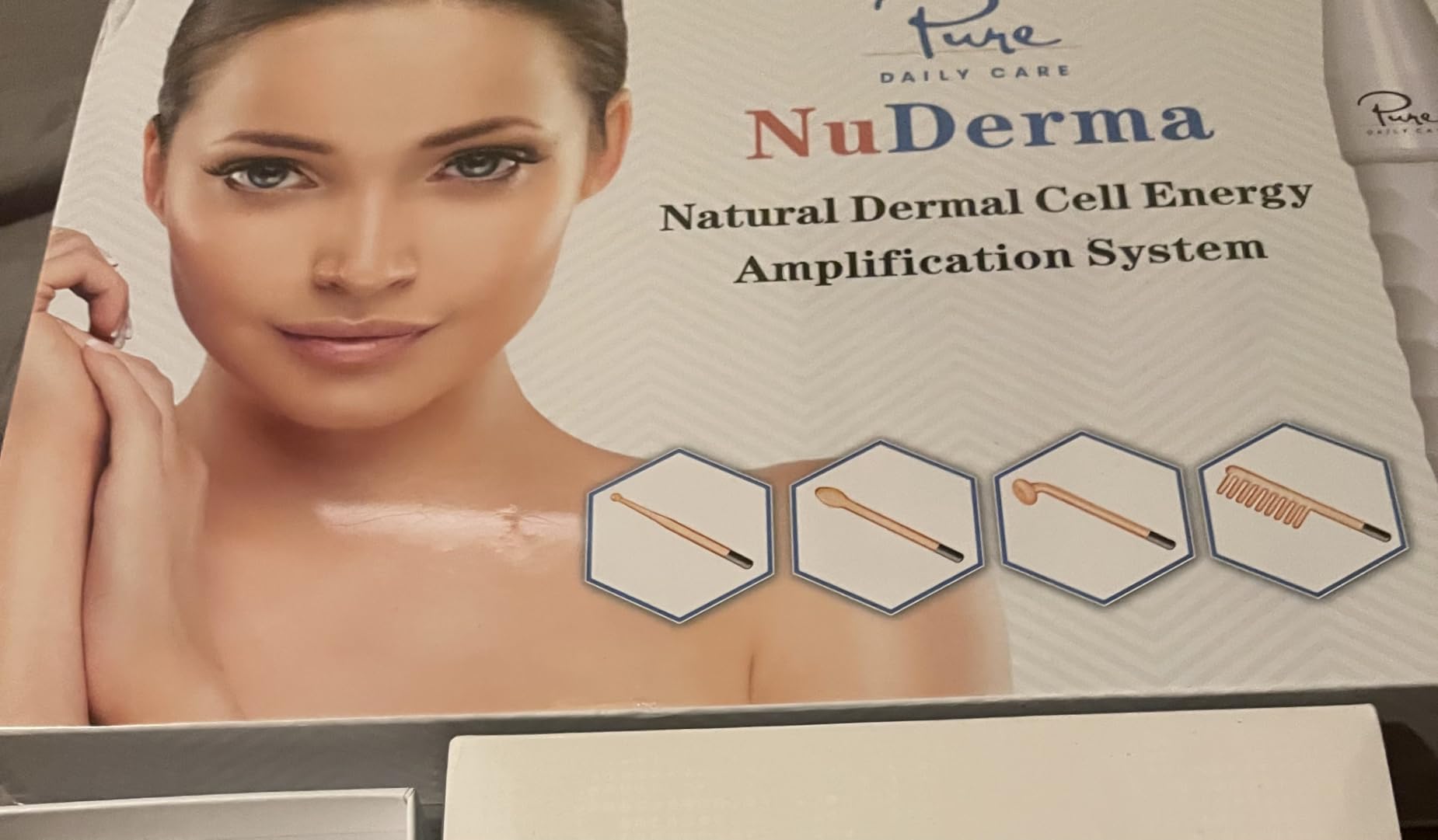
There are two details we want to flag before you commit. The first is that the glass tips are genuinely fragile, and the most common failure we see is a wand snapping off at the base inside the handle rather than snapping in your hand. Treat the glass like a contact lens and it will last; drop it into a sink and it may not.
The second is power. This device runs on North American mains voltage, so buyers in other regions will need to plan around that before they order.
The ozone smell is the other thing that catches people out. There is a faint metallic scent that comes off the electrode on contact, and reviewers mention it more as an expectation-setting issue than a real complaint. It fades within seconds, and anyone who has had a spa high-frequency facial will recognise it immediately.

Who the NuDerma Handheld Wand suits best
This is the right pick for someone whose main problem is recurring breakouts plus a scattering of old red marks. The neon gas fill is the acne-appropriate colour, and the daily-use habit it rewards suits skin that flares weekly rather than occasionally.
It also works as a scalp and body tool, which is a quiet advantage. The comb wand handles the hairline and scalp, and the larger applicators can work over the chest and back where body acne tends to live. If your acne is not confined to your face, this is the most complete single-device answer in our list.
Where the NuDerma Handheld Wand falls short
Its four neon tubes do not include an argon electrode, so if you specifically want the violet-toned argon action some users prefer for stubborn inflamed spots, you are looking at the six-wand system instead. That is a real difference, though not a disqualifier; the neon tubes handle active breakouts well on their own.
Because the glass electrodes are consumable in practice, your long-term cost is not zero. Plan on replacing a tip if you crack one, and factor that into any comparison against a wand that ships a wider set of shapes. It is also a mains-powered device rather than a rechargeable one, which matters for travel.
2. Pure Daily Care NuDerma Professional 6-Wand System – The Full Six-Electrode Setup
NuDerma Professional Skin Therapy Wand – Portable Skin Therapy Machine with 6 Neon & Argon Wands – Boost Your Skin – Clear Firm & Tighten
6 neon and argon wands
2.09 lb
12.87 x 9.06 x 2.24 in
Both gas fills
Pros
- Argon spot wand reduces the look of active blemishes fast
- Applicators cover face neck arms and scalp
- Useful for PCOS-related jaw and neck inflammation
- Fitted foam case protects the glass
Cons
- Glass electrodes break if wiggled or dropped
- Wands are push-fit so seating is hard to confirm
- North American 110/120V mains power only
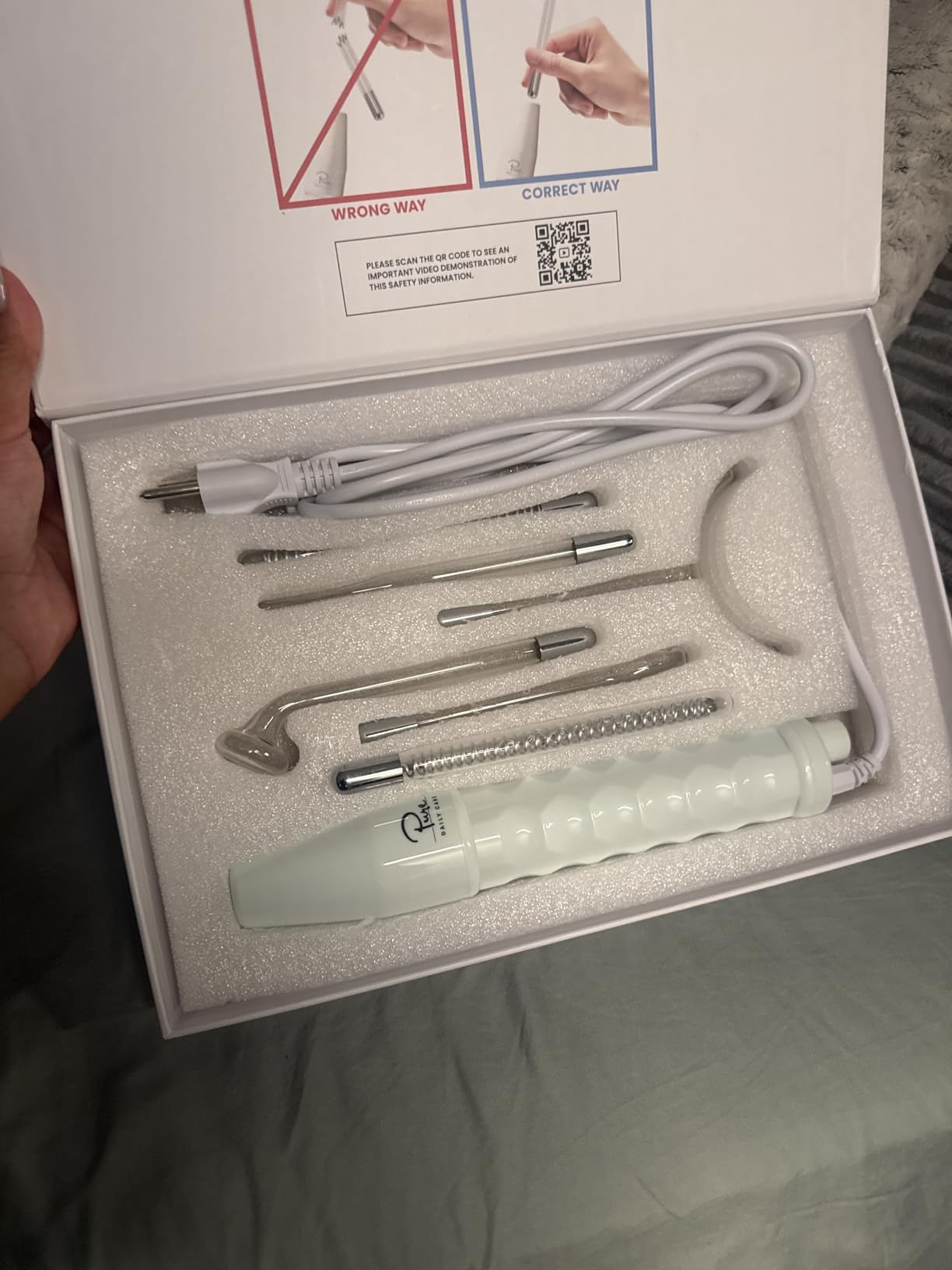
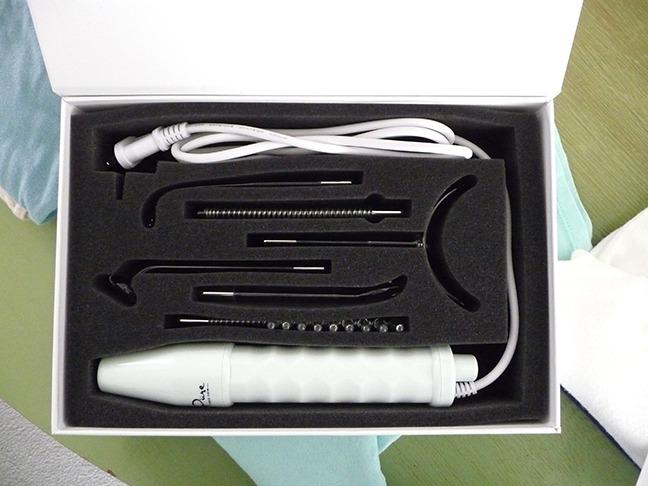
Six applicators is the difference between this and the four-tube wand above, and for acne specifically the extra argon pieces are the reason to upgrade. The bent argon spot wand is the attachment owners single out most: users repeatedly describe applying it to an emerging blemish and finding it noticeably reduced by the next morning. Two argon rods and a tungsten-charged rod handle larger zones where a small tip would take too long.
The rest of the set covers ground the four-tube kit cannot. Neon mushroom and Y-shape wands for full-face passes, a tungsten comb for the scalp, and shapes sized for arms and neck. If your acne runs along the jaw, on the neck, or across the shoulders, this is the pick that stops you from improvising with an electrode that was not designed for the area.
Owners with PCOS-related jaw and neck acne are a recurring group in the reviews, and their feedback is consistently positive about inflammation calming once they settled into a routine. Reviewers with hormonal breakouts also point out that the argon bent wand handles a deep, tender spot in a fraction of the time a mushroom wand would.
Build quality is a genuine strength here. The magnetic-closure case with fitted foam is a real upgrade, and it is the reason breakage complaints are shorter than you would expect for a six-glass system. Customer service is also responsive about replacing defective handles and wands, which matters when the failure mode is always the same fragile component.
Who the six-wand system suits best
Choose this if you have acne in more than one place, or if you want both gas colours available in one device. The argon and neon combination means you can match the electrode to the concern rather than making one glass tube do everything, and the six-shape set means you are not re-buying tips to cover a new zone.
It also suits anyone treating someone else. Households often use one device across a teenager and an adult, and the range of shapes keeps that workable. The moulded case makes it practical to move between a bathroom shelf and a bedroom.
Where the six-wand system falls short
The push-fit wand connection is a real usability flaw. Because the glass tubes seat by friction rather than a thread, it is hard to confirm a wand is fully inserted, and a half-seated electrode can arc or crack at the base. Push until it stops, and check it visually before you power up.
One reviewer also reported perceived facial volume loss after regular use of the mushroom wand, which is not a claim we can verify but is worth taking seriously as a signal. Most of the tonal tightening in the reviews is about surface texture and firmness rather than lifting. Like the four-tube model, it runs on North American mains voltage only.
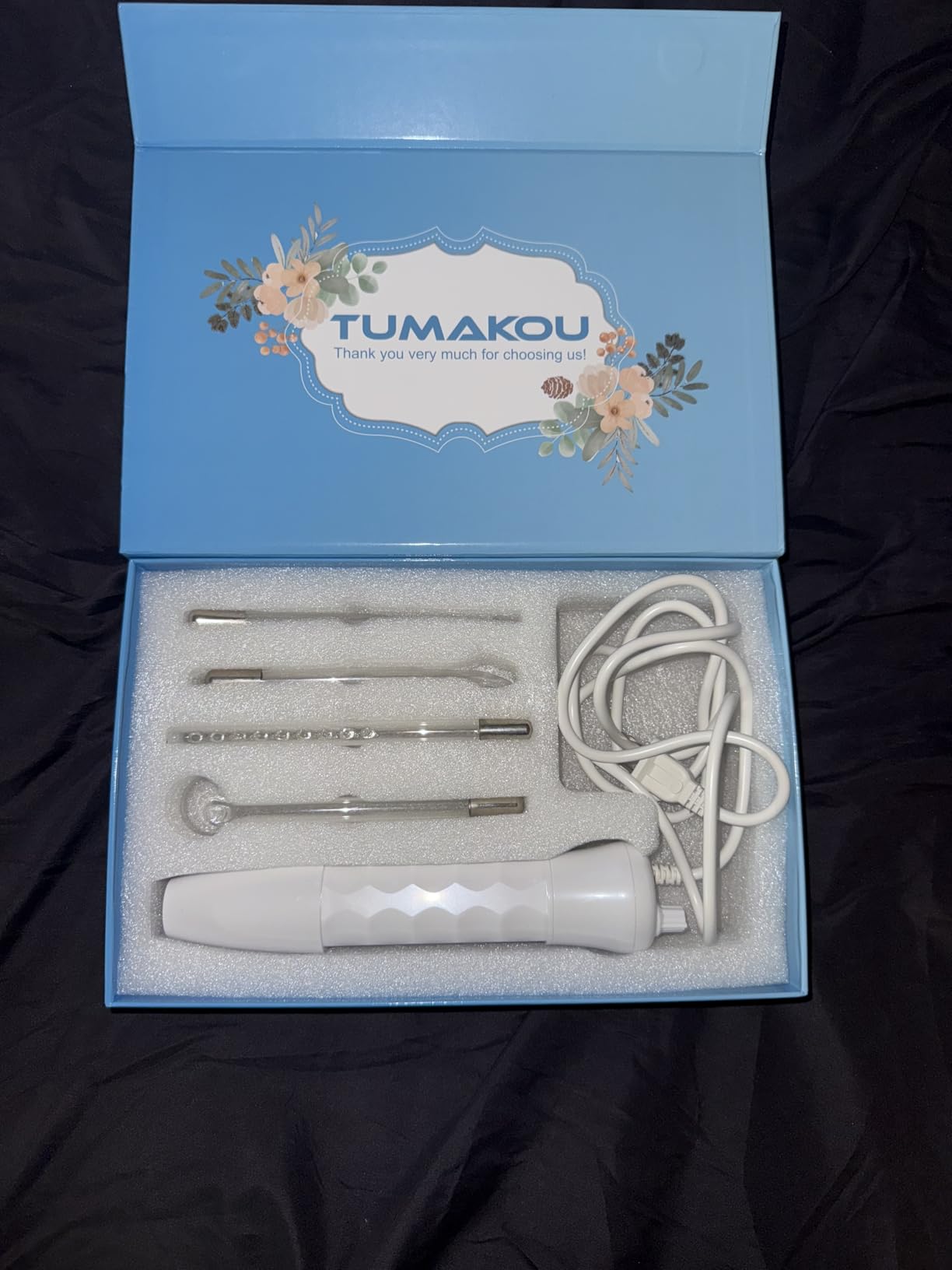
3. TUMAKOU Portable Wand – The Best Value Four-Tube Kit
High Frequency Facial Machine – TUMAKOU Portable Handheld High Frequency
4 glass tubes
1.46 lb
9.06 x 2.17 x 1.98 in
Adjustable intensity
Pros
- Cystic acne shrinks within a day or two
- Results reported as comparable to pricier salon devices
- Four tubes cover spot tongue bent and full-face work
- Lightweight and easy to operate
Cons
- Glass attachments can break if dropped
- Buzzing and zapping sensation takes getting used to
- Needs gel or emulsion to glide comfortably
Roughly 2500 reviews at 4.3 stars, and the feedback is unusually confident for a budget device. The recurring claim is that a stubborn cystic breakout flattens within a day or two of use, and that the results are comparable to devices costing many times more. For someone buying a first wand, that is the argument that matters most.
It supports both direct and indirect application, which is genuinely useful. Direct application means the glass touches skin and delivers the current; indirect means you hold the wand near the skin and lift a finger to complete the circuit, a gentler approach that some people find easier on sensitive spots. Having both modes means you can back off without putting the device away.
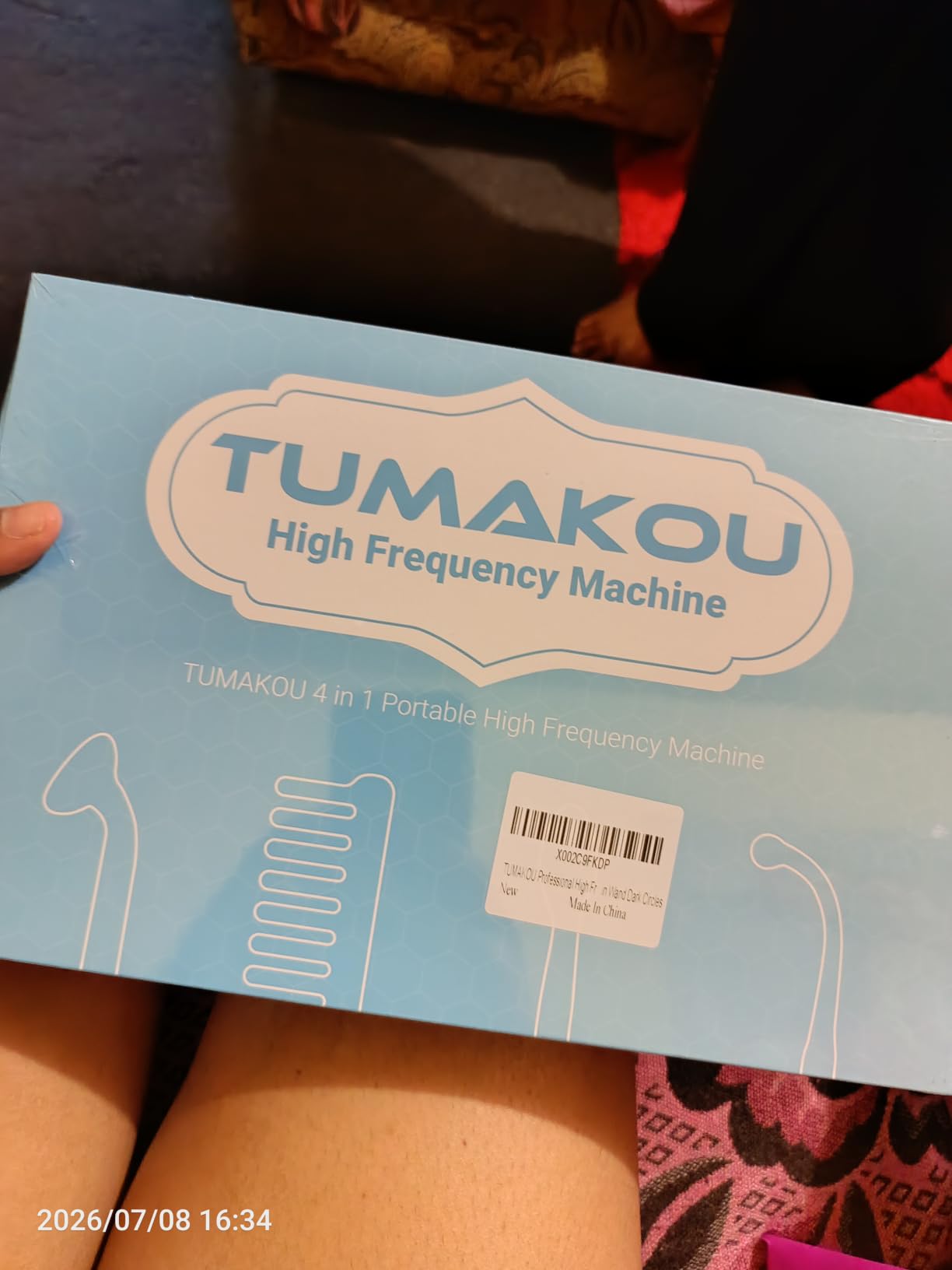
The four tubes are the sensible standard set: mushroom for broad passes, tongue for jawline and neck, bent for a spot, and a straight tube for tracing around the nose and lip area, and it is a simple 9-inch body that is easy to hold for a full session without your hand getting tired.
Owners also report improvements in firmness, pore appearance and overall glow on top of the breakout-clearing effect. That makes sense, since the same oxygenating action that calms a pimple is what gets attributed to a brighter complexion. Treat it as a bonus rather than the main event.
Who the TUMAKOU suits best
This is the one we point people toward when they are not sure whether high frequency is for them. It is one of the least expensive ways to find out whether the sensation, the ozone smell and the routine are things you will actually stick with, and the two- to three-times-a-week guidance in the product details is realistic for a casual user.
It also suits anyone who wants a portable size. At 9 inches long and under a pound and a half, it moves between a bathroom and a travel bag without becoming a project. A one-year service coverage period is included, which is unusual at this level.
Where the TUMAKOU falls short
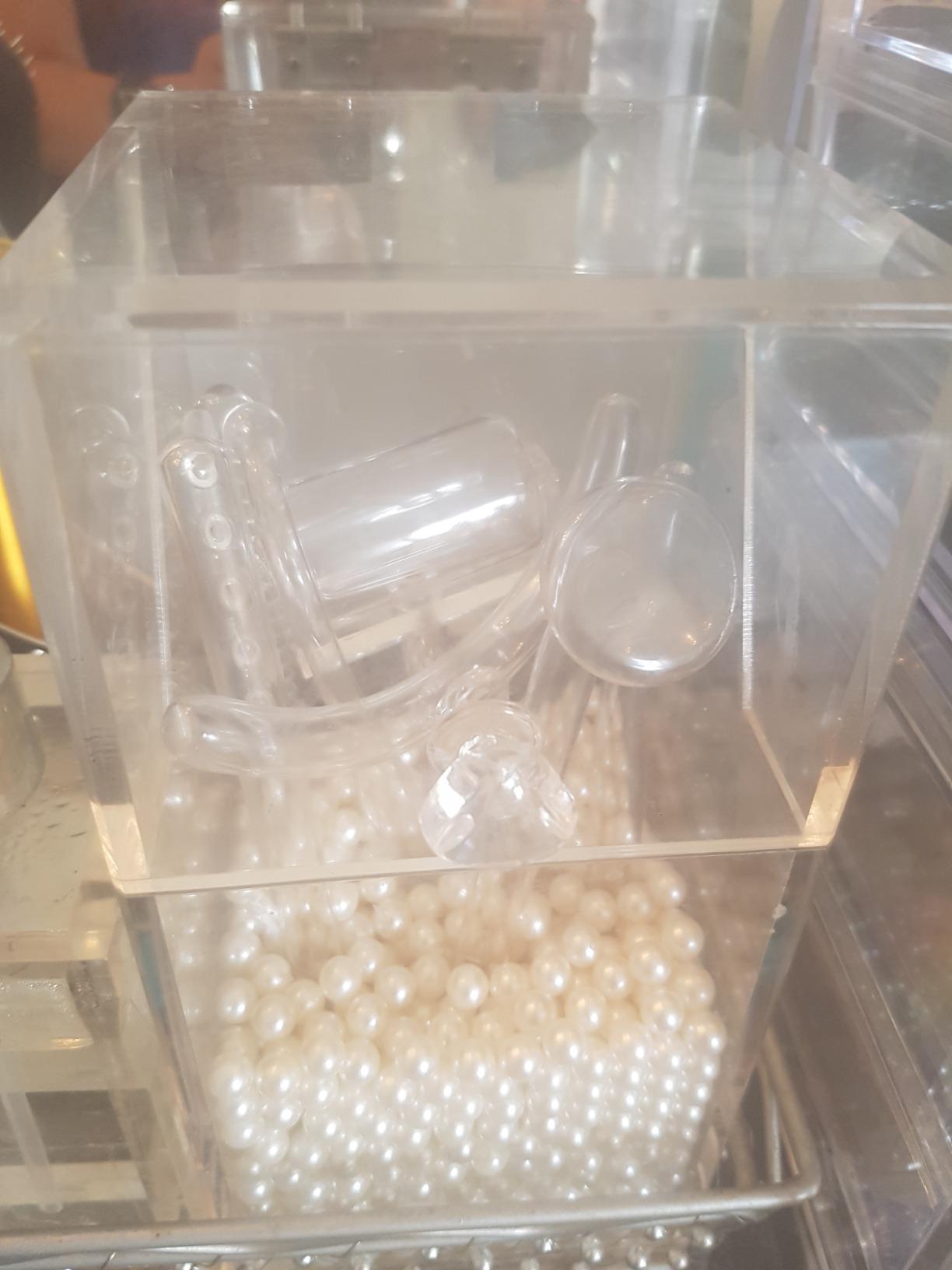
Glass breakage is the standard complaint, and a few pieces arrive with a damaged attachment. It is not a quality indictment so much as a fact of the format: these tubes are thin and the same care applies everywhere. Store them in the case, and do not assemble a wand over a hard surface.
The sensation itself is a hurdle. Reviewers describe a persistent electrical buzz and an initial zapping feeling, both of which are unpleasant if you expect a spa-like experience. Starting at the lowest intensity and working up over a week is what fixes it, and skipping that ramp is the most common self-inflicted mistake we hear about.
It also needs gel or emulsion to glide comfortably over the skin. Without it the electrode catches, which is both uncomfortable and a poor way to deliver current evenly.
4. UUPAS Violet Wand – The Lightest Pick for Bags and Travel
High Frequency Facial Wand-UUPAS Portable Handheld High Frequency
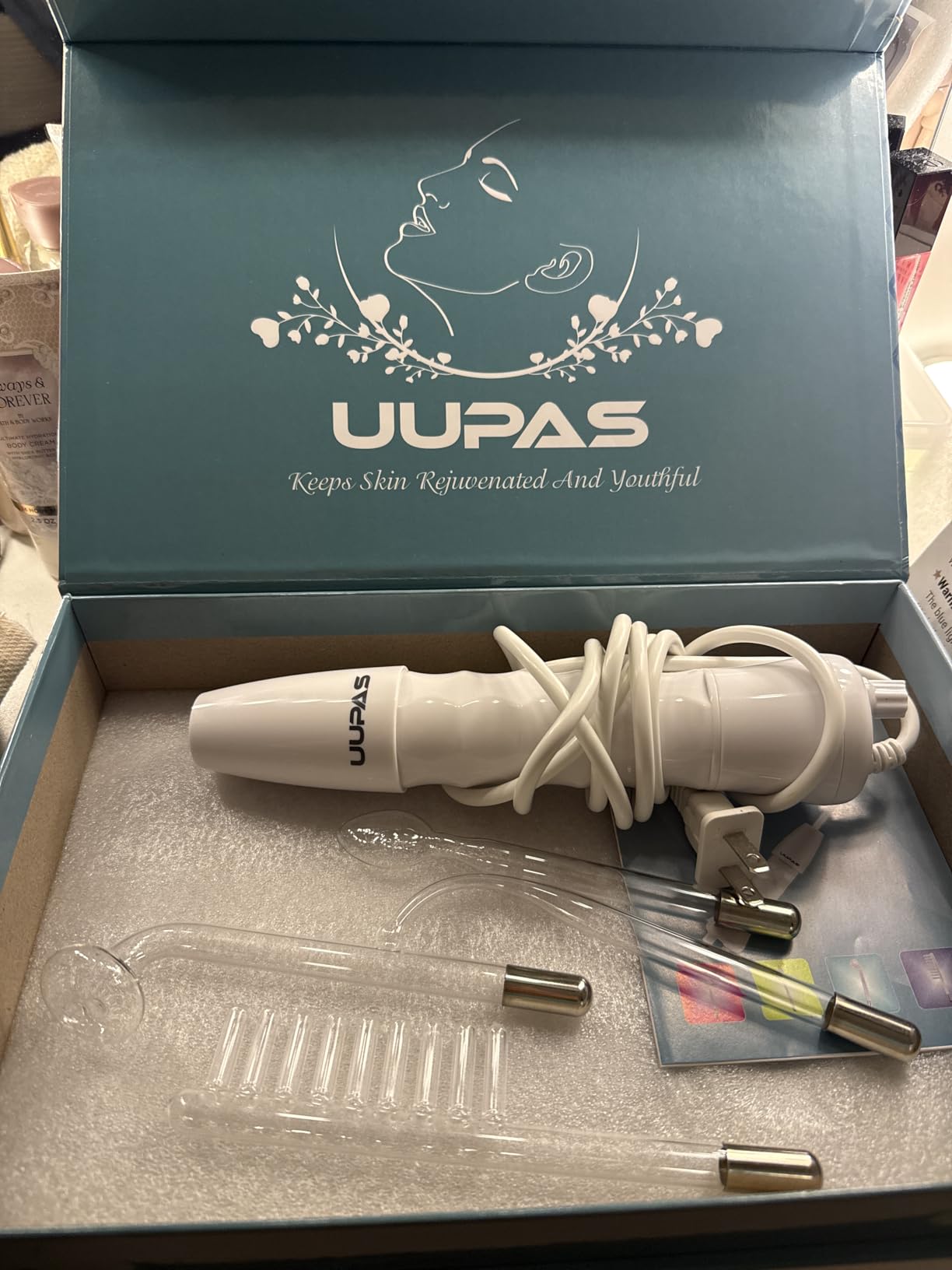
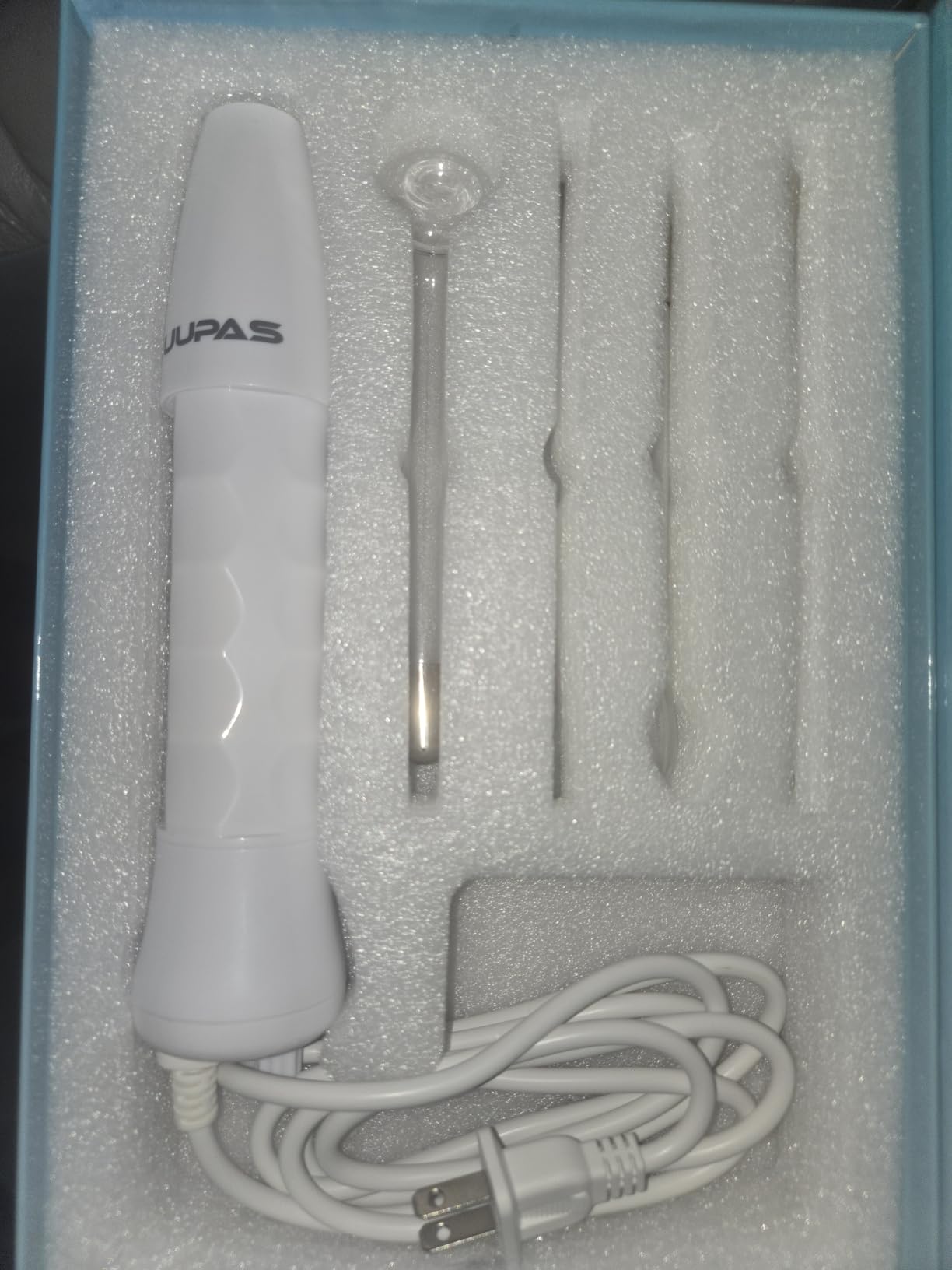
4 purple glass tubes
8.8 oz
8.93 x 1.96 x 1.96 in
One year warranty
Pros
- Tongue and bent tubes suit individual blemishes
- Under 9 ounces for travel
- Intensity starts at zero for beginners
- Four shapes cover different facial zones
Cons
- Glass tubes need careful handling
- Instructions are minimal
- Short written guidance on frequency
It is also the lightest device here by a wide margin, at 8.8 ounces, and the difference is obvious the moment you pick it up. The top pick on this list alone weighs just over two pounds. If you want a device that lives in a gym bag or a carry-on, weight is a real usability factor over a ten-minute session.
The four purple glass tubes follow the familiar shape set, with the tongue and bent tubes being the ones acne users reach for most. They suit targeted work on individual blemishes, which is where high frequency is most useful anyway. You are not going to treat a full face in one pass, and the shape set respects that.
Just under 800 reviews at 4.4 stars, with a 5-star share of 74%, which is a good signal for a device with this little review history. The things owners praise are the shaped tubes, the light weight and the simplicity of the intensity dial, which starts at zero and climbs from there. Starting at zero is a genuinely good design decision for a beginner.
Recommendation in the product details is two to three uses per week for 10 to 20 minutes, which lines up with what long-term users report as a sustainable pace. Sessions that short are much easier to keep a habit of than a nightly twenty-minute commitment.
Who the UUPAS suits best
They suit travellers and anyone who treats on the road or in a hotel, as well as people who want a wand they can use while getting ready rather than scheduling an appointment in their bathroom. The zero-start dial also makes it the friendliest of the compact options for a complete beginner who is nervous about the sensation.
If your acne is concentrated in a small number of recurring spots rather than spread across the whole face, the tongue and bent tubes are the right tools and this kit has them. You do not need a seven-piece set to manage six dependable breakouts.
Where the UUPAS falls short
The instructions are minimal, which is the biggest practical problem. There is not enough written guidance on technique or on how often to use it, so you will need to research the protocol yourself or work it out with a high-frequency facial reference. That is manageable but it is friction at the start.
The glass is as breakable as any in this category, and with a smaller handle the leverage on a twisted tube is higher. Keep the device upright when changing electrodes rather than bracing it against your palm. The review base is also small enough that you are relying on a thinner evidence set than the two NuDerma models.
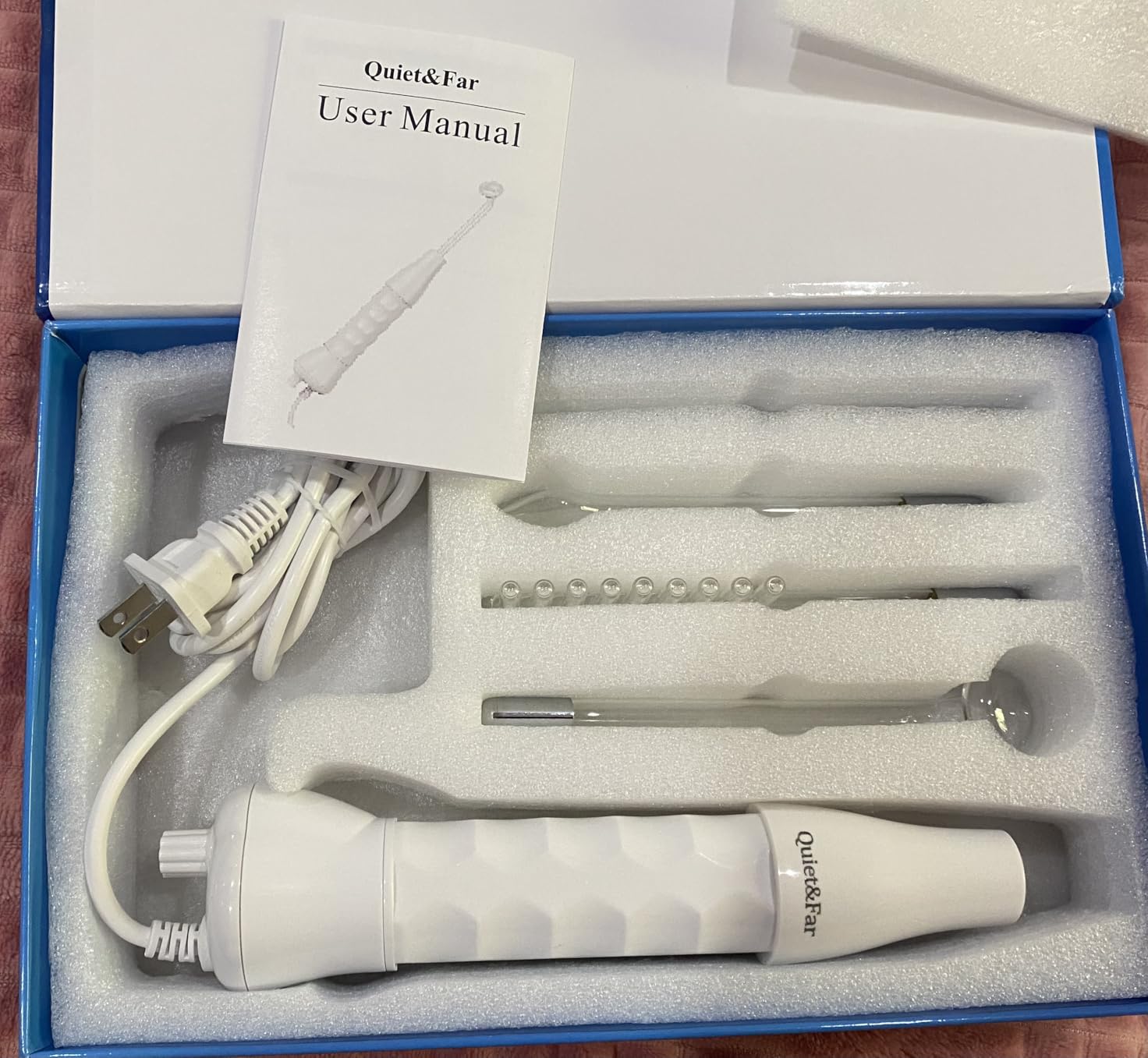
5. Quiet&Far 4-Tube Wand – A Quieter Option for Firming Work
Quiet&Far High Frequency Facial Machine Skin Care Tool for Wrinkles Reducing Skin Tightening High Frequency Facial Wand with 4 Tubes
4 glass tubes
1.43 lb
11.69 x 7.64 x 2.32 in
Adjustable intensity
Pros
- Compact four-tube kit
- Quieter than buzzier wands
- Users report smoother and firmer skin
- Good for firming routines
Cons
- Fewer written customer reviews available
- Glass tubes break during storage
- Four shapes rather than five or six
The angle here is simple and it matters if you share a bathroom with someone: this wand runs quieter than the buzzier models. It ranks third in the high frequency facial machines category and carries a 73% five-star share across roughly 580 reviews. The feedback is consistent about smoother, firmer skin with regular sessions rather than dramatic single-night changes.
It is marketed for wrinkle reduction and skin tightening, and that framing does not directly answer the acne question, but the mechanism is the same oxygenating current. If your concern is a combination of old marks and generally dull, loose-feeling skin, the firming side of the effect is the part you will notice first.
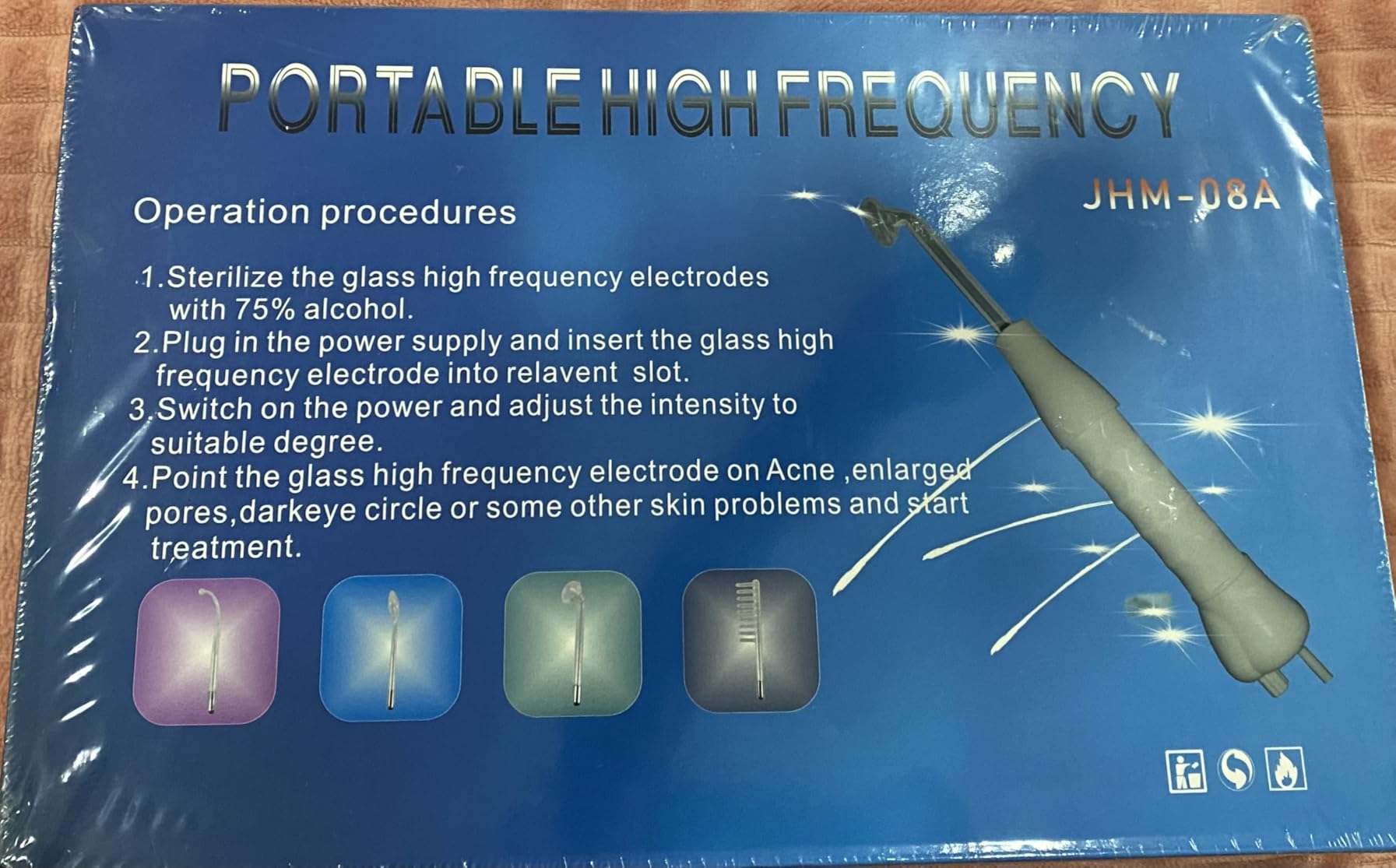
Four interchangeable glass tubes and adjustable intensity control cover the basics without ceremony. The wand is a comfortable middle weight at just over a pound, and the packaging footprint is small enough for a shelf. What you are buying here is a quiet, tidy, uncomplicated four-tube kit rather than a feature story.
We would pair it with a targeted routine rather than use it as the whole plan. A nightly whole-face pass on an already well-functioning routine is where results plateau; the better use is spot work on active breakouts and a full pass over marked areas a few times a week.
Who the Quiet&Far suits best
People in shared flats, small apartments or anyone who finds the electrical hum genuinely grating. It is also a sensible choice if your skin is on the firmer, drier side and you are more interested in texture and tone than in managing heavy cystic acne.
For a straightforward first wand that will not dominate a bathroom shelf or a budget, the four-tube standard set is enough. There is no point paying for seven electrodes if you will only use three of them, and that is a reasonable default assumption.
Where the Quiet&Far falls short
The written customer feedback for this listing is thinner than for the higher-review models, so the confidence behind any claim here is lower. That is not a quality problem, it is an evidence problem, and it should inform how much weight you put on the smoothing claims.
Four tubes also means fewer shapes than kits that ship five or six electrodes, and you will feel the difference if you want to work the neck, arms and scalp as well as the face. Glass fragility applies here as it does everywhere in this category.
6. Lift Care Lift Wand 2.0 – 20-Watt Output and a Nose Electrode
Lift Wand 2.0 Facial Anti-Aging Skin Therapy Wand Up to 20 Watt Power Includes 5 attachments w/Exclusive Nose Attachment w/ 3 Prong Safety Cord
Up to 20 watts
5 attachments
2 lb
3-prong grounded cord
Pros
- Stated 20 watt output in a home wand
- Dedicated nose electrode for bridge breakouts
- 3-prong cord improves grounding
- Briefcase-style case included
Cons
- Metal electrode bases detach or stick in the handle
- Glass can crack if inserted at an angle
- Wands reported failing within a year
Wattage is the spec that separates this one, and it is the one most buyers never see on a listing page. Up to 20 watts of output is the only stated wattage figure in this roundup, and owners report noticing the difference in how decisively an active spot responds. It is also the only wand here with a dedicated nose electrode, which matters if you break out across the bridge of the nose where no standard shape fits properly.
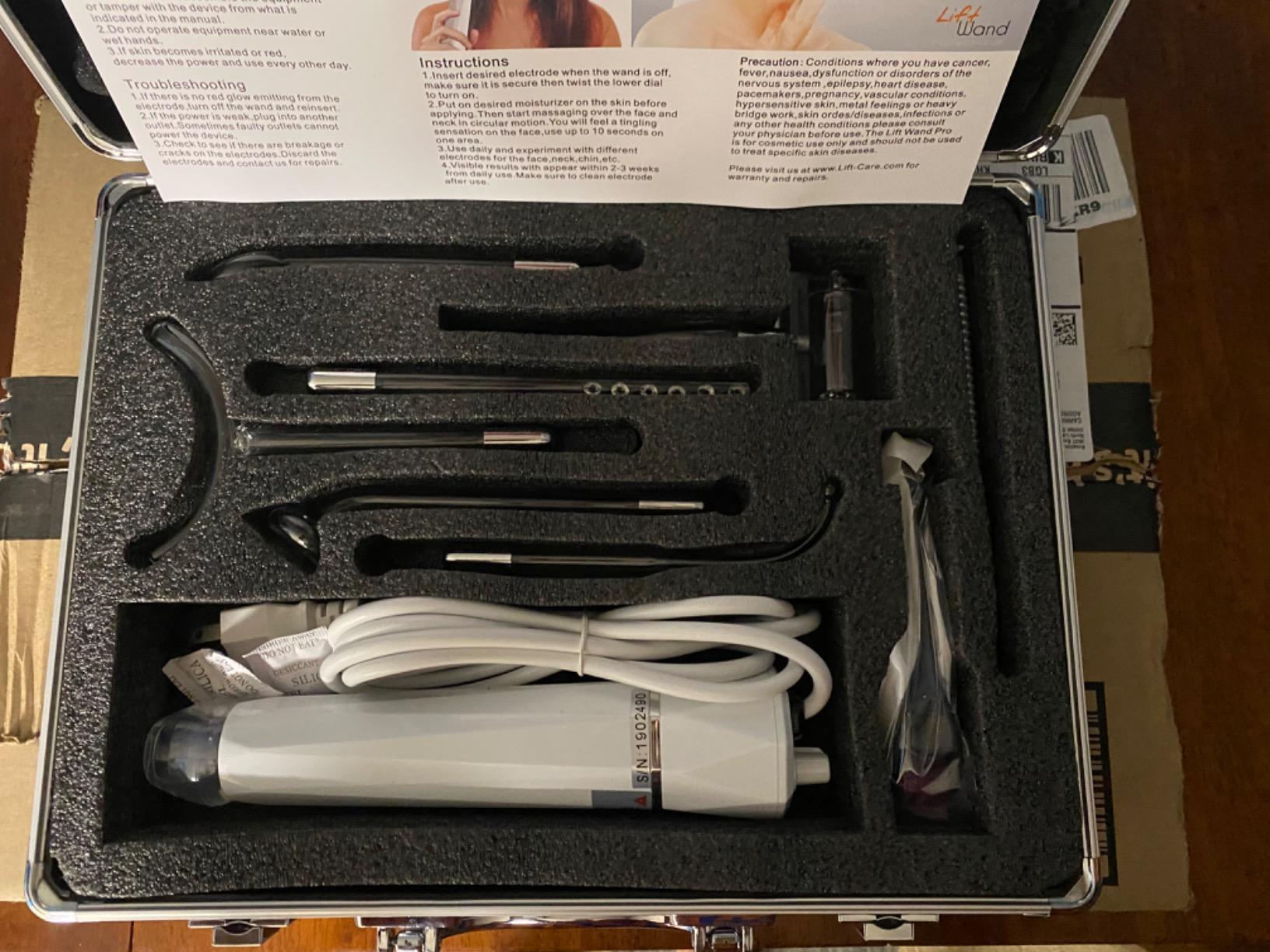
That five-attachment set covers face, neck, a zip-zapper style narrow tip, a spoon shape and the nose electrode. The spoon shape is wider and flatter than a tongue wand, which makes it better suited to broad passes over the cheek and jaw. The 3-prong grounded cord is a sensible safety feature and an unusual inclusion at this level.
Users report lighter-looking scars and more defined, firmer skin after a few weeks, and the reviews frame this wand as good for both acne marks and general texture. We would hold that claim loosely: what the mechanism reliably delivers is faster calming of active lesions and a slightly brighter tone, not structural change to old dents.
There is a professional-looking briefcase-style case in the box, which is unusually nice for storage. Electrodes are protected when closed, and that is exactly the category of kit where the case matters, because most breakage happens in the two seconds between a session and a drawer.
Who the Lift Wand 2.0 suits best
Nose and inner-cheek breakouts are the reason to buy this one. If your acne clusters where a dome or tongue electrode will not sit flat, the dedicated nose electrode solves a problem that no other wand in this roundup addresses, and flatter contact means more even current delivery.
It also suits anyone who feels the cheaper wands are simply underpowered. The 20-watt figure is a legitimate reason to move up rather than a spec-sheet distraction, and the higher output is the part of this wand that its own reviews single out most often.
Where the Lift Wand 2.0 falls short
Durability is the honest problem here. Several owners report wands stopping working within months to a year of regular use, and the metal electrode bases are reported to detach or become stuck inside the handle. That is a design weakness, not user error, and it should factor into how you weigh the power advantage.
The glass also cracks on first insertion if pressed at an angle. Insert straight down with the wand held vertical, and check the base is fully seated before switching on. Instructions are thin and the included DVD is not much help, so treat the manual as a starting point rather than an answer.
7. Uaike 4-in-1 Violet Wand – An Affordable Way to Try One
High Frequency Facial Wand – Uaike 4 in 1 Violet Portable Handheld
4 violet glass tubes
1.43 lb
9.45 x 1.85 x 1.85 in
4 operating methods
Pros
- One of the most affordable four-tube wands here
- Portable handheld design for travel
- Four tubes and four application methods
- Adjustable strength to match comfort
Cons
- Lowest average rating of any wand in this roundup
- Glass breaks with careless handling
- Needs consistent multi-week use to see effects
At 4.2 stars across roughly 500 reviews, this one sits at the bottom of the rating spread, and we would rather say that plainly than dress it up. It carries an 11% one-star share, the highest of the ten we considered, and the complaints in that group point consistently at build quality and glass breakage rather than at the device being ineffective. It is also the only wand here below 4.3 stars, which is a real gap at this price level.
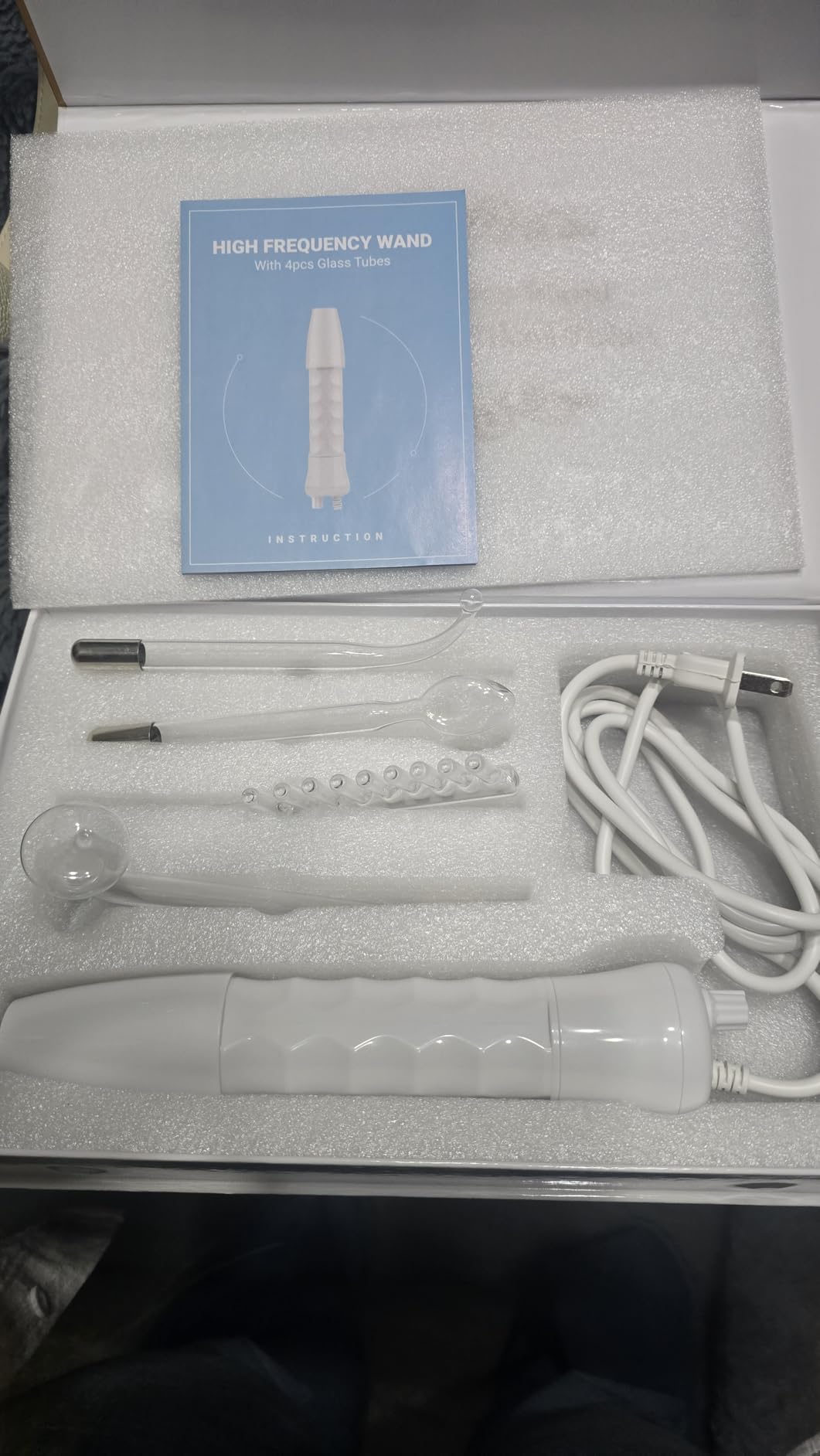
What it does well is offer four violet glass tubes and four operating methods, including direct and indirect application, at one of the lowest prices of any four-tube wand we considered. It is portable at just over a pound and a half and the strength adjustment lets you match the intensity to your comfort level, which is the right instinct for a first device.
One instruction in the product details is worth repeating because it prevents the most common mistake: do not hold the wand on a single spot for more than 10 seconds. That guidance applies to every wand on this list, but it is printed here, and following it is what keeps you out of the one-star reviews.
Recommended use is two to four times per week for 10 to 20 minutes. That is a sensible beginner cadence, and the honest expectation is that a pimple looks better within a day or two while the broader tone work takes several weeks of consistency.
Who the Uaike suits best
Anyone testing whether high frequency fits their routine with the smallest commitment. If you are nervous about spending real money before you know you will use it, a month of twice-weekly sessions is enough to tell you whether the sensation and the routine are something you will keep doing.
It also works as a travel or second-home device. The compact footprint and the 1-year warranty make it a low-stakes addition to a bag, and the four operating methods give you more flexibility than some pricier kits manage.
Where the Uaike falls short
Build quality is the honest weak point. The rating spread and the one-star share both point at the same thing: hardware that feels less solid in the hand, and glass tubes that break more readily than the better-built kits on this list. If breakage frustration would end your routine, spend a little more.
Effectiveness also takes longer to become visible here, and that compounds the risk. Someone who gives up after a week on a wand with a weaker output curve may conclude that high frequency does not work, when the likelier explanation is that they needed a month.
8. Meifuly 7-Tube Wand – The Broadest Electrode Set Here
Meifuly High F Rrequency Wand Portable Machine, Portable Handheld High F requency Wand Machine with 7 Different Tubes (Multi-Colored)
7 multi-colored glass tubes
1.96 lb
14 x 7 x 2 in
Seven electrode shapes
Pros
- Seven glass tubes
- the widest set in this roundup
- Multi-colored tubes are easy to tell apart
- Users report smoother and more even skin
- Shapes cover face neck and body
Cons
- Costs more than most four-tube kits
- Glass needs careful storage
- Minimal written guidance for new users
- Smaller review base than most here
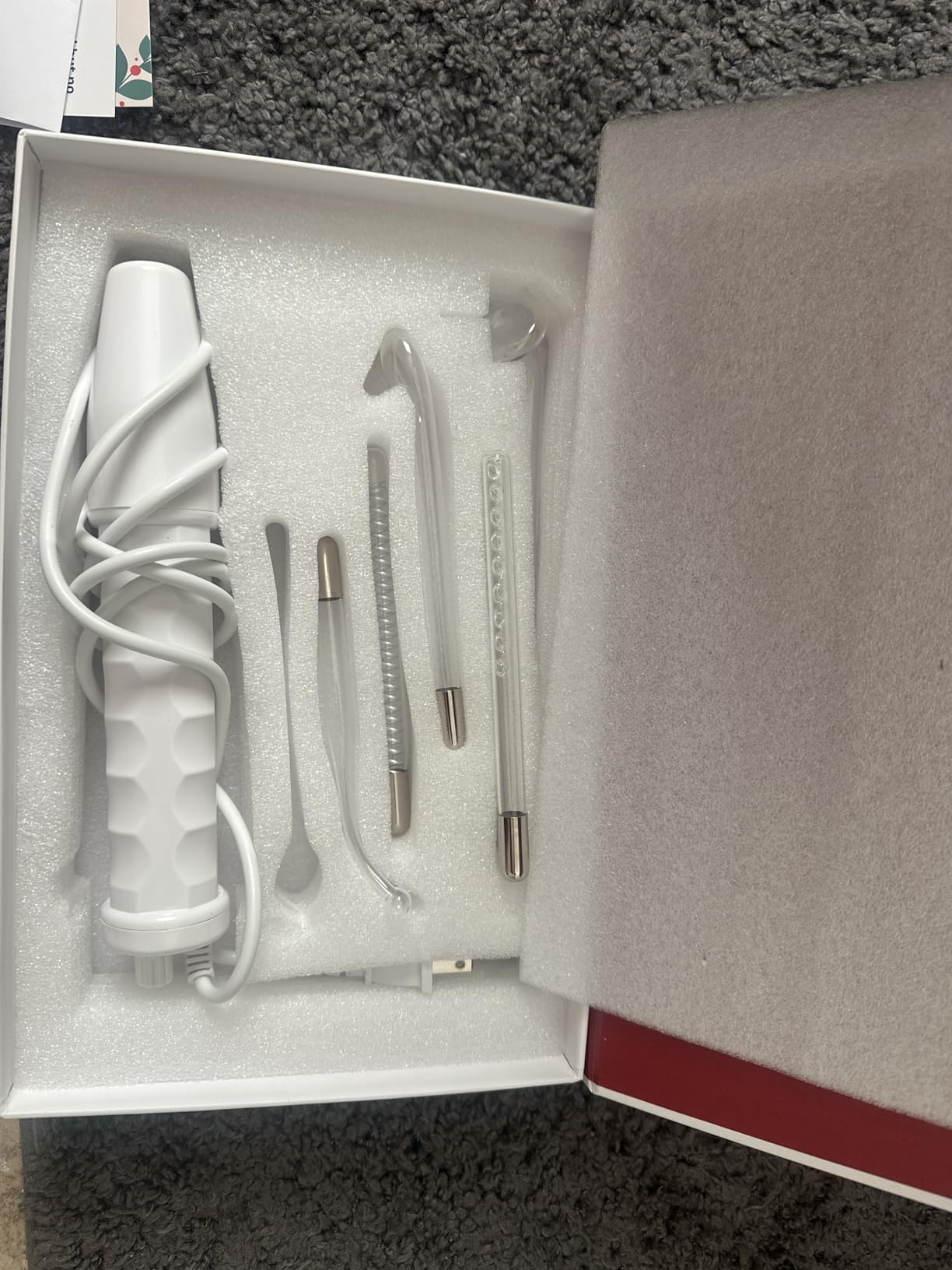
Seven multi-colored glass tubes is the widest electrode set among the ten wands we looked at, and the variety is the entire argument. The colors are not cosmetic: they let you tell applicators apart at a glance, which sounds minor until you are changing electrodes in a dim bathroom and every tube looks identical.
With a 4.3 rating across about 420 reviews, the feedback is positive on the practical side. Users report smoother skin and a more even complexion, and the range of shapes covers face, neck and body. If you want one device that genuinely replaces several tools, this is the pick.
Be clear-eyed about the tradeoff. This costs more than the four-tube kits while sitting at only 4.3 stars, and at roughly 420 reviews its feedback base is on the smaller side. Paying more for more shapes only makes sense if you will use them, and it is a poor deal if you will stick to two or three electrodes forever.
Written guidance is minimal, so plan on learning technique from elsewhere rather than from the box. Treat the first two weeks as an experiment at the lowest intensity, taking before photos in the same light so you are comparing fairly rather than to memory.
Who the Meifuly suits best
People who treat more than just their face. Seven shapes covers the neck, the chest and back where body acne lives, plus the scalp, and that is the kind of coverage where a bigger electrode set actually pays for itself over time.
It also suits anyone who shares a device. More shapes means two people with different acne patterns can each have an electrode assigned to them, which cuts down on cleaning between uses and makes the wand easier to keep in rotation.
Where the Meifuly falls short
The price sits above the four-tube kits, and you are paying mostly for hardware rather than for a stronger output. If your goal is power rather than variety, the twenty-watt wand is the better buy for the money.
Its smaller review base also means less evidence behind any claim, and the 10% one-star share is a reminder to check your tubes on arrival. Storage is the other practical risk, since seven glass pieces need a case with room for all of them.
9. PureYou DermatiPrem – Face, Scalp and Body in One Device
DermatiPrem High Frequency Wand
5 glass electrodes
6 intensity levels
1.9 lb
Comb attachment included
Pros
- Highest five-star share of the wands reviewed at 76%
- Five electrodes with six intensity levels
- One device covers face scalp and body
- Comb attachment supports scalp routines
- Sessions are short at 10 to 15 minutes
Cons
- Glass electrodes break if dropped
- Fewer written customer reviews available
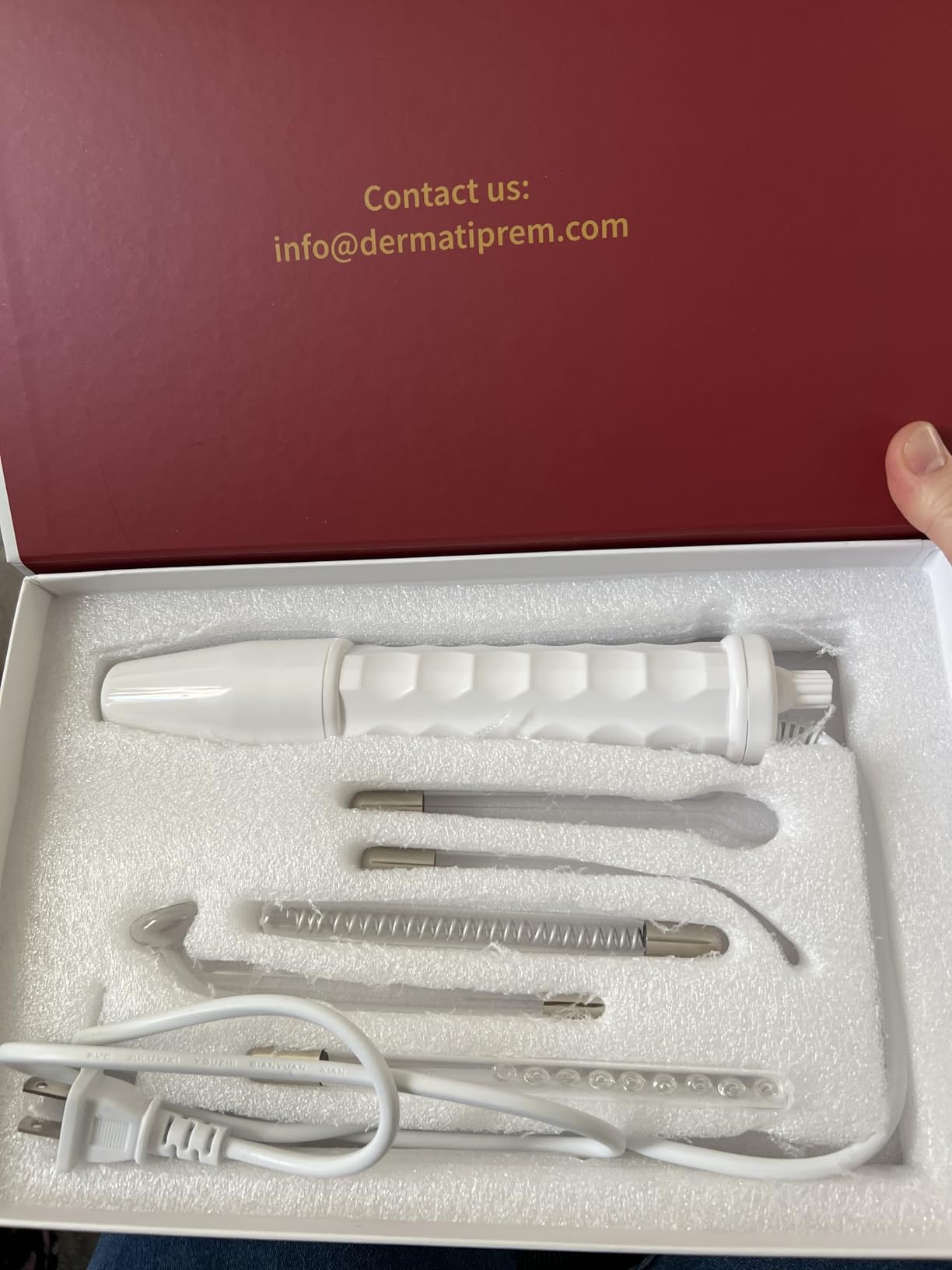
Five interchangeable glass electrodes with six adjustable intensity levels is a better control setup than most of the budget kits, and its 76% five-star share across just over 400 reviews is the highest share here. When a smaller review set skews that positive, it usually means the product is doing the simple things right rather than overpromising.
The comb attachment is what separates it for us. Scalp and hairline care is a real, verifiable use for these devices, and a dedicated comb electrode is the difference between a credible routine and token brushing. If your breakouts cluster along the hairline, this is the pick with the tool for it already in the box.
It also runs on neon technology for face, scalp and body, so the same gas colour covers all three areas rather than you having to buy a second device to change colour. Recommended sessions are 10 to 15 minutes, which is the shortest session guidance among the wands here and the easiest to keep up with.
Owners like the dual-purpose nature of it: one device for a face pass, a scalp pass and occasional body work. The recurring drawback in the reviews is only the inherent fragility of glass, with no complaints about noise, power or build, which is about as clean a cons list as this category produces.
Who the DermatiPrem suits best
Anyone whose acne sits along the hairline, the temples or the scalp rather than isolated on the cheeks. The comb electrode and the five-shape set cover that territory properly, and a dedicated tool beats improvising with a dome wand every time.
It also suits people who want short sessions. Fifteen minutes is a commitment you can keep on a weeknight, and the six intensity levels mean you can start low and step up gradually rather than choosing a single fixed output.
Where the DermatiPrem falls short
The written customer feedback available for this listing is limited, so the strong rating rests on a smaller base than the two NuDerma models. Treat the satisfaction score as encouraging rather than conclusive.
Five electrodes is a good middle number, but if your acne is spread across the neck, chest and back, a larger kit gives you more dedicated shapes. Glass breakage remains the one complaint that shows up consistently, so the same storage discipline applies.
10. DARSONVAL 4-Tube Wand – Simple and Beginner Friendly
High Frequency Facial Device DARSONVAL High Frequency Facial Wand Micro-Care Skin Care
4 tubes
1.61 lb
7.9 x 4 x 11.8 in
One-year warranty
Pros
- Lowest price with a full four-tube set
- One-hand intensity adjustment while treating
- Four tubes suit a range of skin types
- Compact for travel and home
- Backed by a one-year warranty
Cons
- Fewer written customer reviews available
- Glass tubes need careful handling
- Results need 2 to 3 sessions per week
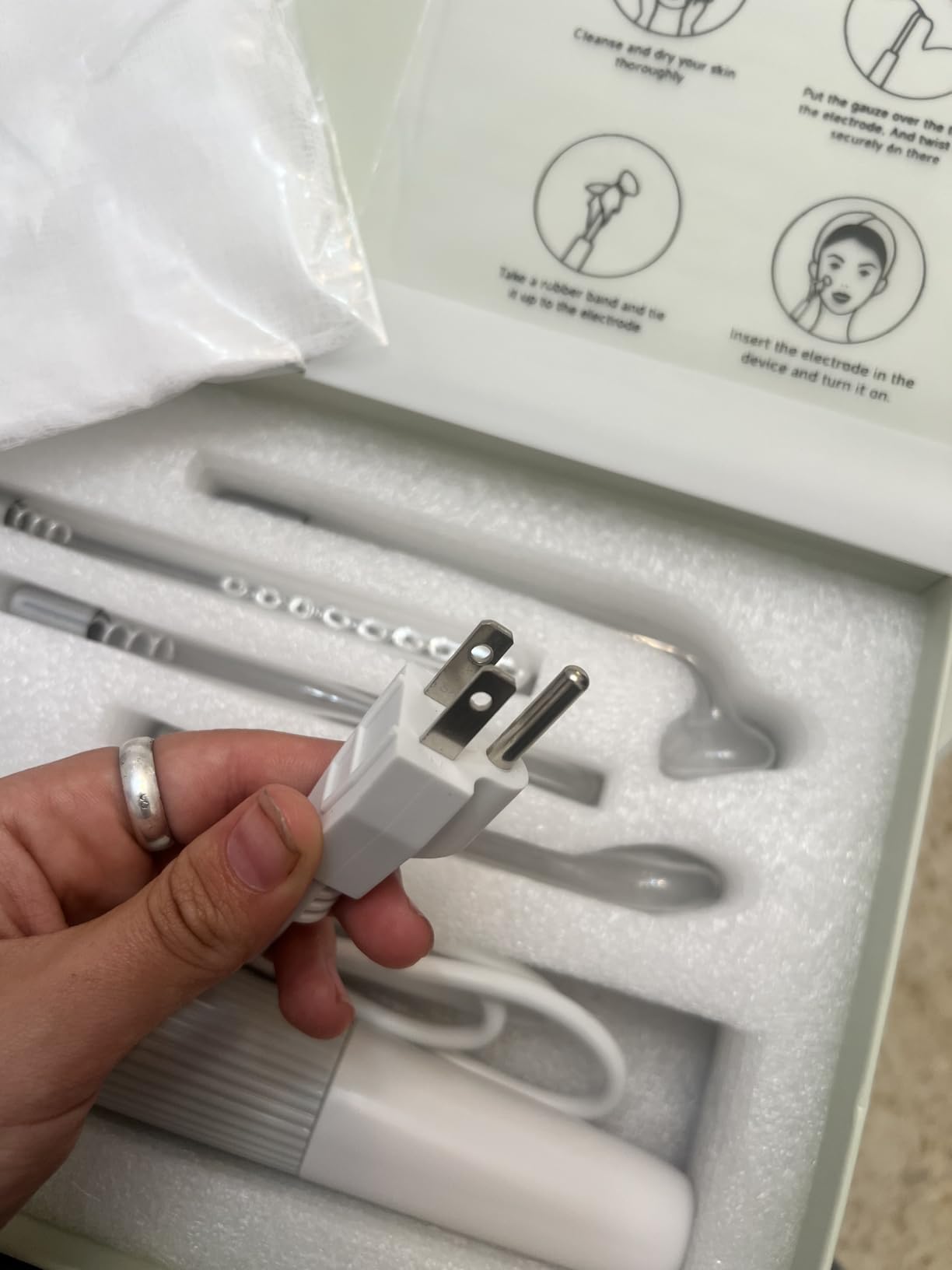
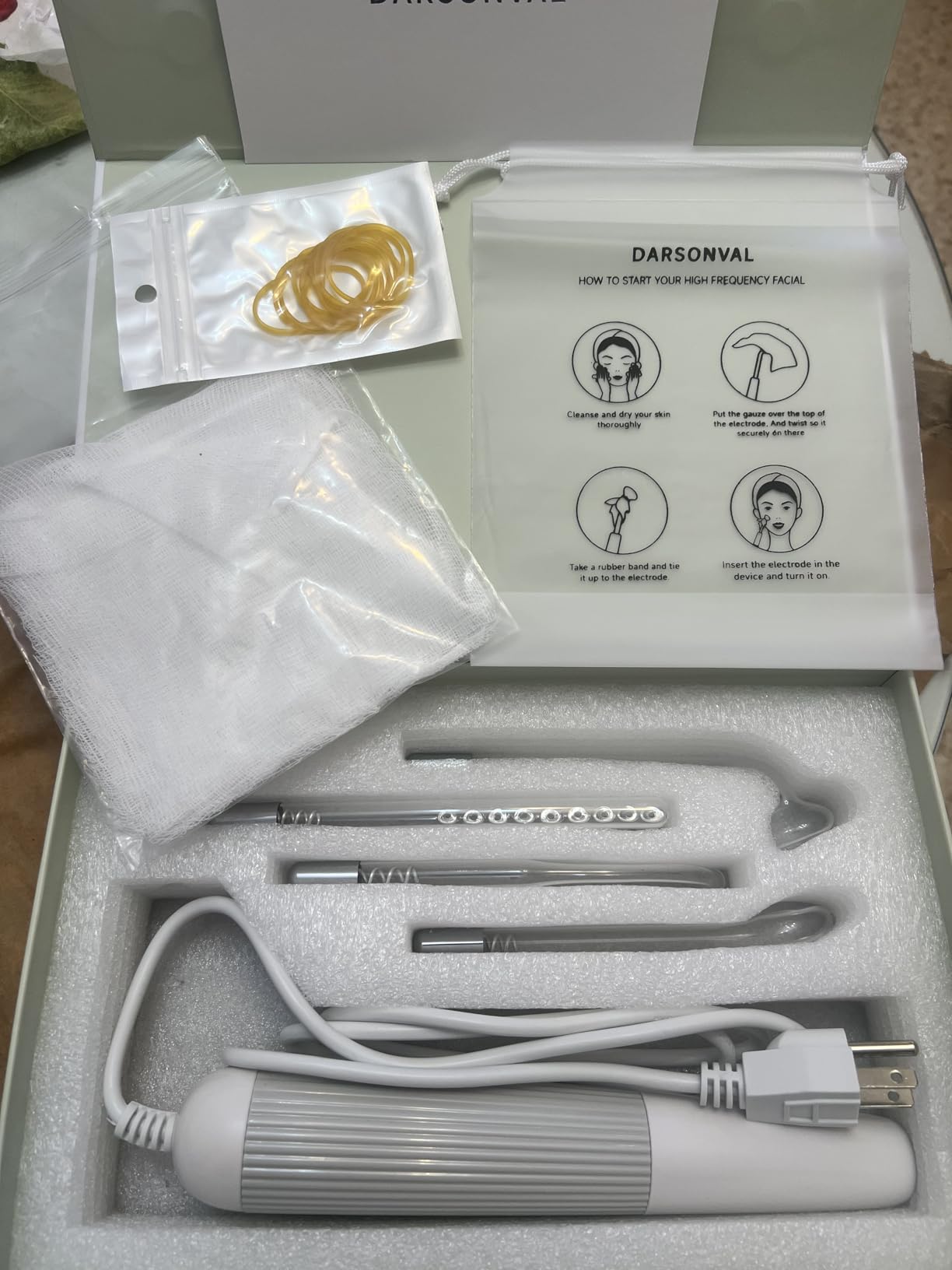
One-handed operation with intensity adjustment during the session is the feature that actually matters here, and it is rare. Being able to turn the level down without putting the wand down means you can respond to a sensitive spot in real time instead of choosing your intensity once and living with it for ten minutes.
Around 315 reviews at 4.3 stars, with a 70% five-star share. The appeal is straightforward value: four tubes, adjustable intensity, a one-year warranty and one of the lowest prices of any complete four-tube set we considered. The device is also marketed for skin care and hair quality, so the same wand covers face and scalp work.
Recommended use is two to three times per week for 10 to 15 minutes per session. That is a cadence that suits someone with a busy schedule, and it is the same rhythm most long-term users describe as sustainable. The difference is that here it is printed on the product rather than left for you to work out.
At 7.9 by 4 by 11.8 inches, it packs flat and small, which is a genuine benefit for anyone splitting their routine between home and a gym bag. Four tubes covering various skin types is enough for spot work, a full-face pass and a neck or scalp sweep without a bigger kit.
Who the DARSONVAL suits best
Complete beginners who want a simple device with nothing to learn. One-hand control, a small footprint, four tubes and a printed session schedule are everything a first-time user needs, and there is no feature set here that punishes inexperience.
It also suits anyone on a strict budget who still wants the full four-tube standard set rather than a two-tube compromise. A one-year warranty also gives you a route if a tube arrives damaged, which is a common early problem in this category.
Where the DARSONVAL falls short
The written customer review volume for this listing is on the lighter side, so the feedback we can draw conclusions from is thinner than for the leading picks. The same caution as the DermatiPrem applies, for the same reason.
Four tubes is the minimum useful set. If you want argon as well as neon, five or more shapes, or a comb electrode, you need a different device. And results still take two to three sessions a week over several weeks, so this is not a device for anyone expecting a visible change tomorrow.
How to Use a High Frequency Wand on Acne Without Damaging Skin?
Six steps, and the order matters more than the wand you chose. Start at the lowest intensity even if you have used one before on a different device, because output curves differ between models and your tolerance should be set by the wand in your hand right now.
Cleanse and dry. Cleanse, pat dry, and do not apply products before the first pass. Current over a layer of heavy cream delivers unevenly.
Choose the electrode by area. Dome for broad passes, point or bent tip for a single blemish, tongue for jawline and neck, comb for scalp and hairline.
Insert the tube straight down. Push vertically until it stops, then check visually that the base is seated. Angled insertion is the most common cause of cracked glass.
Grid the face, then spot treat. Work in a systematic grid rather than randomly, 15 seconds to 3 minutes per spot, and never hold one point for more than 10 seconds at a time.
Use a hydrating gel or serum. A gel or emulsion lets the electrode glide instead of catching, and applying a hydrating serum after treatment improves absorption noticeably.
Finish with sunscreen. Any treatment that increases cell turnover makes skin more light-responsive. Daily SPF is non-negotiable if you are working on marks.
Keep total session time to 15 to 20 minutes for the whole face. Frequency depends on what you are treating: an active pimple can be spot-treated two or three times in a day at a low setting, while a full-face pass for fading marks works best two or three times a week. The manufacturers in this roundup generally recommend two to four uses per week, and that is a sensible ceiling.
Before a session, stop retinoids and strong acids for five to seven days. That pause window is the most commonly skipped piece of advice and the most common source of irritation complaints from experienced users. Remove metal jewellery, keep the wand dry, and never use it over broken or weeping skin.
Argon vs Neon vs Xenon: Which Color Wand Is for Acne
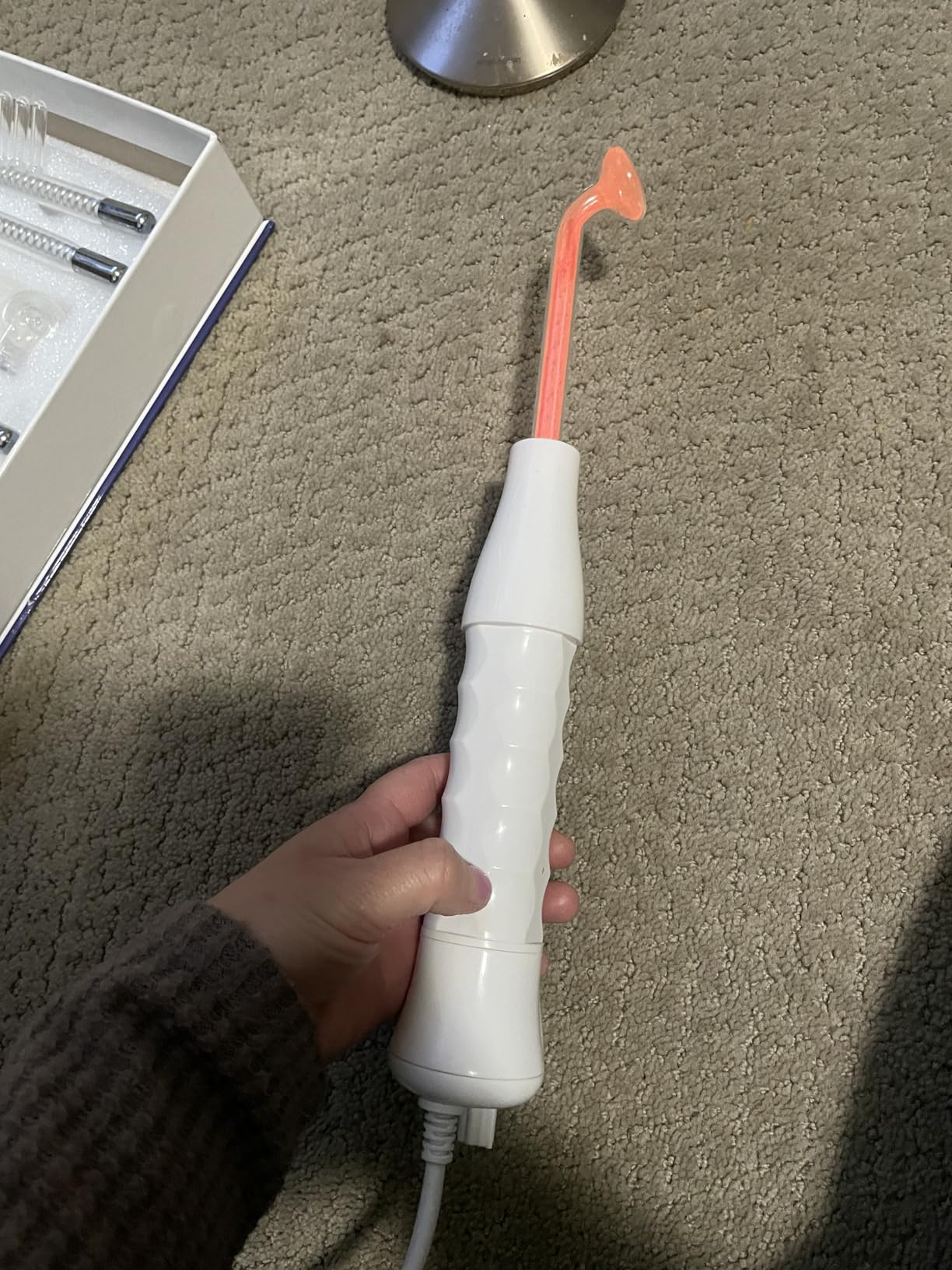
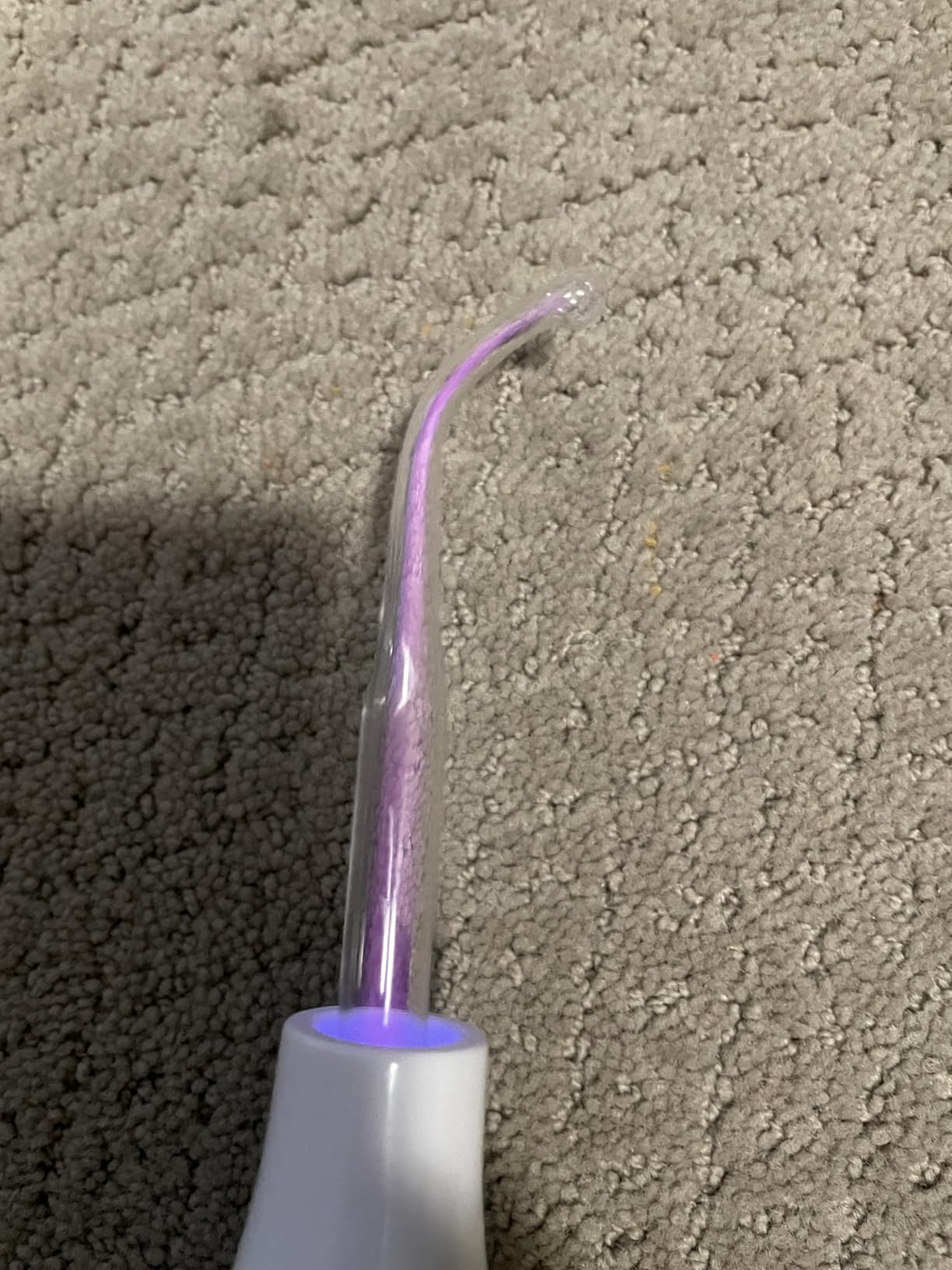
Argon is the acne colour, and that is the short answer. Argon tubes glow violet and are the ones most recommended for active, inflamed breakouts and the bacteria that fuel them. Neon tubes glow orange-red and lean toward anti-ageing work on texture and firmness, though they will still calm a spot. Xenon is a deeper antibacterial fill used less often at home.
Every wand in this roundup sits in one of those camps. The two NuDerma models are neon only and neon plus argon respectively. The UUPAS, Uaike and Meifuly kits use violet and multi-coloured tubes, which are argon-style fills. TUMAKOU, Quiet&Far, Lift Care, DermatiPrem and DARSONVAL ship standard glass tubes without a stated gas focus, and treat them as general-purpose.
If acne is your primary reason for buying, an argon-capable device gives you the colour most associated with calming inflammation. If you want one device for both breakouts and firming, a neon plus argon kit gives you both without a second purchase. Just do not buy a wand purely for its colour without checking which shapes come with it, because the electrode shape matters more day to day than the gas.
One more practical note on colour: the visible glow is not a measure of power. A brighter-looking tube is not doing more work. Output consistency across settings and reliable electrode seating are what actually predict whether a session works.
Attachment Shapes Explained: Dome, Point Tip, Tongue and Comb
Shape decides what you can treat, so it is worth more thought than gas colour. The dome is the generalist: broad passes over cheeks, forehead and neck, and the one you will use most. It is the electrode to look for first in any kit.
The point or bent tip is the acne specialist. It concentrates current onto a single blemish, and the narrow angle lets you get close to the nose and the jawline without touching unaffected skin. Owners who keep both shapes report reaching for the bent tip by default the moment a new spot appears.
The tongue wand is a long, narrow shape for tracing contours such as the jawline, the lip border and the neck. The comb electrode is for the scalp and hairline, and it is the reason a scalp wand is not just a marketing term. The lift wand’s spoon shape and nose electrode are the two unusual additions in this group, both aimed at areas the standard shapes do not sit on well.
Four tubes is the minimum useful kit, five is comfortable, and a larger set only earns its place if you genuinely work on face, neck and body. Count the shapes before you count anything else, because replacing a single cracked tip is the most likely maintenance cost you will have.
Side Effects and Who Should Not Use High Frequency
The most common downsides are all consequences of doing too much: dryness, tightness, redness, flaking and a compromised skin barrier. Overuse at high intensity is the single most reported self-inflicted problem, and it works against you, because a barrier-damaged face flares and looks worse before it looks better.
It can also cause breakouts, temporarily. A surge in circulation and cell turnover pushes impurities to the surface, and a few users report a short-lived increase in visible congestion in the first two weeks. That settles, but if it escalates instead, stop and reassess the intensity.
Clear the following before buying: rosacea, melasma or any active pigmentation condition, eczema, psoriasis, recent chemical peels or laser work, broken capillaries and spider veins, open or weeping skin, pregnancy, and anyone with a pacemaker or other implanted electrical device. If you are on prescription tretinoin, pause it for five to seven days either side of a session.
The safe-use habits are simple: start low, stay off any single point for more than 10 seconds, keep total face time under 20 minutes, never share electrodes without cleaning them, and take metal jewellery off first. If you are unsure whether a skin condition is compatible, ask a dermatologist rather than a search result. Our acne treatment kit guide covers the topical side of the routine that should sit underneath any device.
How to Layer High Frequency With Benzoyl Peroxide, Retinoids and SPF
The wand does not replace your topicals, it sequences around them. On an evening you use high frequency, cleanse, treat, apply a hydrating serum such as niacinamide or hyaluronic acid, and then leave actives for another night. Current delivery and acid exfoliation in the same session is where irritation comes from.
Benzoyl peroxide and salicylic acid are both fine to use on different days. If you are on tretinoin, keep the five to seven day pause window, and use high frequency on the nights tretinoin is not on your skin. If you take spironolactone for hormonal acne, the wand is a spot tool for flares and nothing more, since the medication is doing the systemic work.
Sunscreen is the one non-negotiable. High frequency increases cell turnover, and fresh post-inflammatory marks will darken permanently without daily protection. If your goal is fading marks rather than clearing a spot, a broad-spectrum SPF applied every morning matters more than how often you use the wand.
Our hairline acne guide goes deeper on the non-device side of that problem, and the oily-hair picks cover the products that keep the hairline clear in the first place.
When High Frequency Is the Wrong Tool for Acne Scars
High frequency is the wrong tool the moment your scars are structural. Icepick, rolling and boxcar scars are dents in the dermis, and only treatments that create controlled injury and trigger collagen remodelling will change them. That means microneedling, radio frequency microneedling, fractional laser resurfacing, subcision for tethered scars, TCA cross for icepicks, or professional chemical peels.
LED light therapy is a different tool again. Blue light targets acne-causing bacteria across a whole face, which high frequency does in a more targeted, higher-intensity way, while red light works on collagen and tone. Many people buy the wrong modality because they assume “light” means one thing. If your acne is widespread rather than localised, a mask-style LED device is the more sensible purchase.
Radio frequency devices heat tissue to stimulate collagen, which is closer to what scar remodelling needs, though at-home RF is weak compared with professional energy. That is why the honest recommendation for pitted scars is a dermatologist consultation rather than a device.
The realistic expectation to hold: high frequency flattens a pimple in hours, speeds the fading of red and brown marks over weeks, and leaves pitted scars untouched indefinitely. If that is the outcome you want, the roundup above is the right place to spend your money. If it is not, save it.
How to Choose: What Separates a Good Wand From a Weak One
Already own a wand that did nothing? There are five upgrade signals, and only one of them is about the device itself. If you were inconsistent, or sat on high intensity, or never used a serum under the electrode, the wand was not the problem and buying a better one will not fix that.
Consistent output across the dial. If the sensation barely changes between settings, the device is not delivering more current. That is a hardware signal worth spending up for, and the twenty-watt wand in this list is the clearest example.
Electrode sealing. Push-fit connections that wobble or bases that detach cause both wasted energy and broken glass. A design with a tighter fit is a real upgrade.
Tube quantity and shape. Four is the floor, five or six is comfortable, and a spot-specific tip is worth more than another dome.
A case that fits every tube. Breakage happens in the two seconds between a session and a drawer, and a fitted case is inexpensive insurance.
A warranty and a real service path. Glass is consumable in practice. If a replacement tube is not available, your device is a timer.
On gas colour, choose argon or argon-plus-neon if acne is the main target. On power source, cordless and lightweight wins for travel, mains wins for consistent output and for treating neck, arms and back.
The cost question is worth doing properly rather than skipping, because it is the argument that makes a wand easy to justify. Work out the number of sessions you will realistically use it for, divide the device cost by that number, and then compare it with what one high-frequency facial in a salon or clinic costs you. A device used twice a week for a year comes out far ahead of a single appointment, and it comes out ahead of even three or four appointments for most of the wands in this roundup. The device that sits in a drawer is the expensive one, whichever way the arithmetic runs.
Whichever you pick, buy one wand and commit to eight weeks before you judge it. The clear pattern in the reviews for every device here is that results track consistency, not specification.
Frequently Asked Questions
Does high frequency help with acne scarring?
It helps with the flat red and brown marks that breakouts leave behind, known as post-inflammatory hyperpigmentation, and it calms active, inflamed pimples. It does not help with pitted, icepick, rolling or boxcar scars, which are damage to the deeper dermis. Those require collagen-remodelling treatments such as microneedling, radio frequency microneedling, fractional laser, subcision or chemical peels.
What is the best high-frequency machine for acne treatment?
For most people the Pure Daily Care NuDerma Handheld Wand is the best all-round choice, with more than 21000 reviews at 4.4 stars, four neon applicators and consistent results on cystic and hormonal breakouts. If you want argon as well as neon and treat neck and body, the six-wand NuDerma Professional is the step up. For power and a dedicated nose electrode, the Lift Care Lift Wand 2.0 has the highest stated output in this group.
Which color high frequency wand is for acne?
Argon, the violet glow, is the colour associated with acne and active inflammation because it targets the bacteria and swelling that drive breakouts. Neon, the orange-red glow, leans toward firming and anti-ageing work but will still calm a spot. Xenon is a deeper antibacterial fill used less often at home. If acne is your main goal, an argon-capable device is the right choice.
Are high frequency wands worth it for acne?
They are worth it as a spot treatment for active breakouts and as a support tool for fading post-acne marks, and most owners use them for exactly that. They are not worth it if you expect a wand to remove pitted scars. A wand that gets used twice a week also costs far less per session than repeated in-office high-frequency facials.
How often should I use a high-frequency wand for acne?
Most manufacturers in this roundup recommend two to four uses per week, and that is a sensible ceiling for a full face session lasting 10 to 20 minutes. A single fresh blemish can be spot-treated more often at a low setting. Never hold the electrode on one point for more than 10 seconds, and pause retinoids and strong acids for five to seven days around a session.
What are the downsides of using a high-frequency wand?
The common downsides are dryness, tightness, redness and flaking, all usually caused by overuse or too high an intensity. You can also get a short-lived increase in visible congestion in the first two weeks, and the ozone smell is unpleasant to some people. Glass electrodes are fragile and break easily. It should not be used with rosacea, melasma, eczema, psoriasis, broken skin, spider veins, during pregnancy, or with a pacemaker.
Final Verdict on the Best High Frequency Machines for Acne Scars
After working through all ten, the Pure Daily Care NuDerma Handheld Wand takes the top spot for the best high frequency machines for acne scars overall. With more than 21000 reviews at 4.4 stars, four neon applicators and the largest body of owner feedback in this roundup, it is the one we would put in front of someone with a first-timer’s question.
The six-wand NuDerma Professional is the upgrade for argon and body work, the TUMAKOU is the best value four-tube kit, and the Lift Care Lift Wand 2.0 wins on output and on nose breakouts. The DermatiPrem is our pick for hairline and scalp, the UUPAS for travel, and the Meifuly if you want seven electrode shapes.
Use them for what they actually do: flatten an active pimple, calm inflammation, and speed the fading of red and brown marks. If your scars are pitted, put the money toward microneedling, radio frequency or a dermatologist instead.
Give whichever wand you choose eight honest weeks at low intensity before you decide anything, because consistency is what results actually track. This roundup was last checked against current listings in 2026, and we update it as the review counts move.