
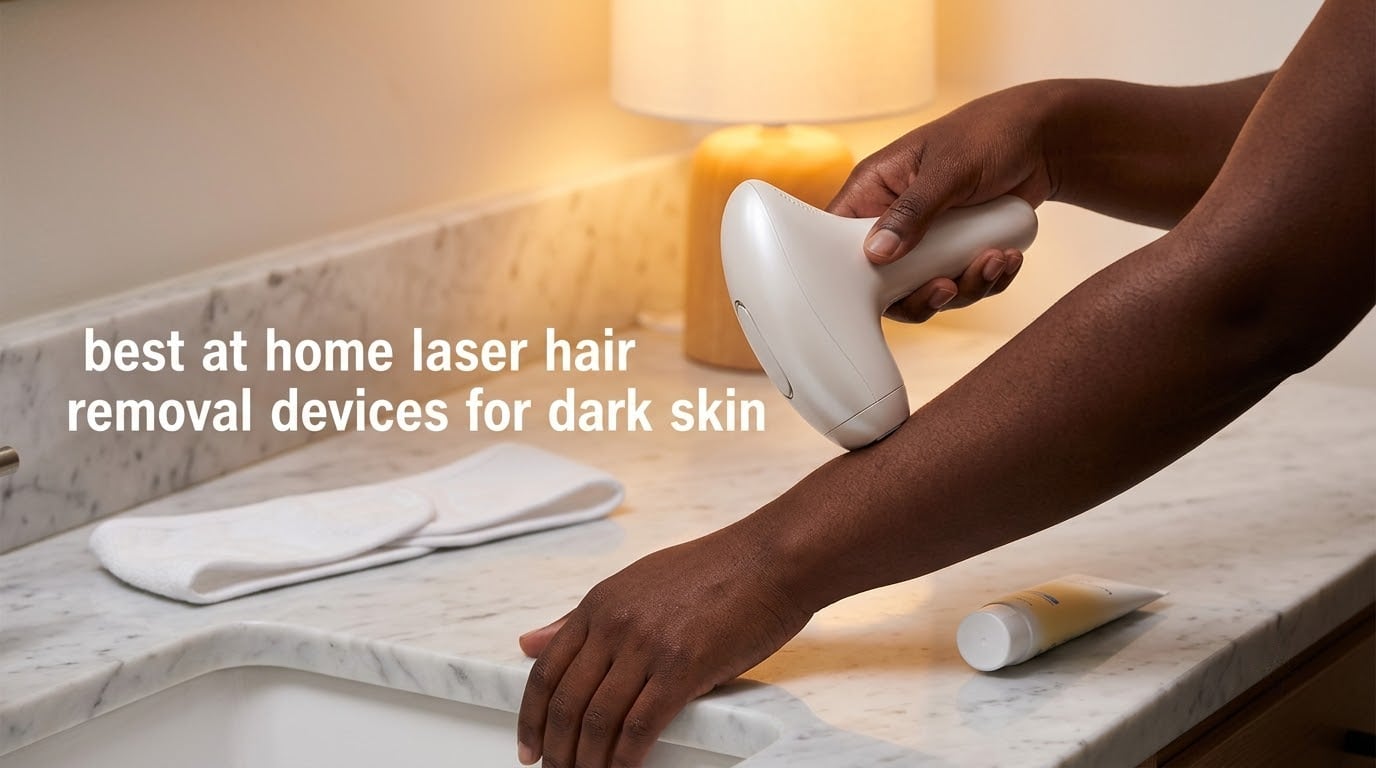
Dark skin can absolutely use an at-home hair removal device, but the choice is narrower and the rules are stricter than anywhere else on the shelf. Most of what gets sold as a laser hair removal device is actually Intense Pulsed Light, and broad-spectrum light is absorbed by melanin in the skin as readily as by melanin in the hair. On a Fitzpatrick type I or II arm that is a non-event. On a type V or VI arm the same pulse can deliver a burn or leave post-inflammatory hyperpigmentation behind, which is the exact outcome most people are trying to avoid.
So how do you find the best at home laser hair removal devices for dark skin? You filter on two things before anything else: does the device have a real skin tone sensor that can refuse to fire, and does the wavelength skew long enough to bypass melanin in the epidermis and reach the follicle. We went through the ten highest-reviewed devices in this category and sorted them on exactly those criteria, along with flash life, energy control, cooling, and what owners actually reported after months of use.
Two honest notes before the list. First, none of these ten is a true 980nm or 1064nm diode laser, which is the technology dermatologists reach for on deeply pigmented skin. Second, the honest ceiling for at-home broadband light on deep skin is permanent hair reduction, not permanent removal, and results on coarse black hair are slower and thinner than the marketing claims suggest. If you want the mechanism explained before you shop, the next section covers it. If you would rather see our general device picks across all skin tones, we have those in our roundup of the best at-home IPL devices for hair removal.
Table of Contents
Why dark skin needs different hair removal technology?
Every light-based device works on the same principle. Melanin in the hair shaft absorbs the energy, converts it to heat, and the heat damages the follicle and bulb. That is the good news. The bad news is that skin cells carry melanin too, and the deeper your natural pigmentation, the more light your epidermis absorbs on the way down. A pulse that is merely effective on pale skin becomes a heat dose your skin cannot dissipate on deep skin.
IPL (intense pulsed light) is a broadband pulse spanning roughly 475nm to 1200nm in one shot. Because it includes short wavelengths in the range that melanin absorbs hardest, it delivers the most energy to the surface layer of skin. That makes it effective on pale to mid-tone skin with dark hair and the least predictable choice for deep skin. A skin tone sensor helps, but it is still asking a broadband pulse to be precise.
980nm and 1064nm diode lasers are single-wavelength, which is the entire point. Longer wavelengths scatter less in the epidermis and are absorbed by melanin in the hair more than in the skin, so more of the energy arrives where you want it. 1064nm is the wavelength most associated with Nd:YAG, the laser clinics use on Fitzpatrick V and VI. No true 1064nm diode made it into this roundup, which is worth knowing before you read further.
Radio frequency does not use light at all. It sends heat into the deeper layer of the skin to damage follicles from below the surface, which is why it can work independently of melanin. It is the safest technology for deep skin in theory, and it is the slowest. None of the ten devices below is RF-only, though several pair light with cooling that behaves similarly for comfort.
Readers on r/LaserHairRemoval put it plainly: Nd:YAG and diode are what professionals use on dark skin, and IPL should be a last resort. That is the honest ceiling, and it is why we have weighted sensor behaviour and cooling as heavily as raw joules in the rankings below.
Top 3 at-home laser hair removal devices for dark skin (October 2026)
Our three strongest options for deeper skin tones share something important: each one either refuses to flash on an unsuitable tone, or gives you enough manual control and cooling to stay safe on the lowest useful setting.

Braun Silk Expert Pro 5
- SensoAdapt sensor auto-adjusts every flash
- UV filter so no goggles needed
- Two heads for body and face

INNZA IPL Hair Removal
- 9 energy levels with auto and manual modes
- 999999 flash lifespan
- Built-in ice cooling

Ulike Air 10
- SkinSensor blocks unsafe tones
- Sapphire cooling below 65F
- SHR mode at 26J per burst
All 10 devices compared for deep skin in 2026
Every product below uses broadband IPL light rather than a true 1064nm diode laser. Read the key features column with that in mind, and use the table as a shortlisting tool rather than a promise of results.
| Product | Specifications | Action |
|---|---|---|
| Braun Silk Expert Pro 5 IPL |
|
Check Latest Price |
| INNZA IPL Hair Removal |
|
Check Latest Price |
| Ulike Air 10 |
|
Check Latest Price |
 Nood Flasher Pro Nood Flasher Pro |
|
Check Latest Price |
 Braun Skin i-Expert PL7219 Braun Skin i-Expert PL7219 |
|
Check Latest Price |
 INIA HAUTE Pro INIA HAUTE Pro |
|
Check Latest Price |
 BoSidin IPL BoSidin IPL |
|
Check Latest Price |
 Philips Lumea BRI984/03 Philips Lumea BRI984/03 |
|
Check Latest Price |
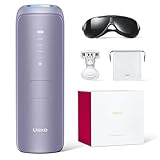 Ulike Air 4 Ulike Air 4 |
|
Check Latest Price |
 Ubroo IPL Ubroo IPL |
|
Check Latest Price |
What Fitzpatrick type are you, and does it matter here
The Fitzpatrick scale runs from I (always burns, never tans) to VI (never burns, deeply pigmented). Self-identification is imperfect, and plenty of olive-toned readers on r/HairRemoval discovered they were a type IV or V rather than the III they assumed. The scale also does not capture every dimension of skin of colour, so treat it as a floor for safety rather than a guarantee.
What matters operationally is which kind of gate the device uses. Six of the ten products below have an automatic skin tone sensor that reads melanin density and refuses to fire on a tone it judges unsafe. Braun’s SensoAdapt on both models, Ulike’s SkinSensor on both models, Philips’ SenseIQ trio, and the Nood’s included skin safety test all fall into that group. That refusal is a feature on deep skin, not a defect, even though owners sometimes write in as though it is a malfunction.
The remaining four rely on you. INNZA, BoSidin, INIA, and Ubroo give you manual energy levels and no automatic read, which means the safety margin is entirely in your hands. On a Fitzpatrick V or VI that is workable only with a conservative protocol: patch test, start at level one, and step up one level per session. Our best facial hair removal devices for women guide covers the smaller-window options in more detail if the face is your target.
Two more eligibility rules apply to everyone. Skip any area with a tattoo, because pigment in the ink absorbs light just like skin pigment and can cause a burn or a patch of lighter skin. And if you use self-tanner, stop at least a week before a session, because the artificial colour is read by the sensor as melanin density you do not have.
1. Braun Silk Expert Pro 5 – the sensor-gated workhorse
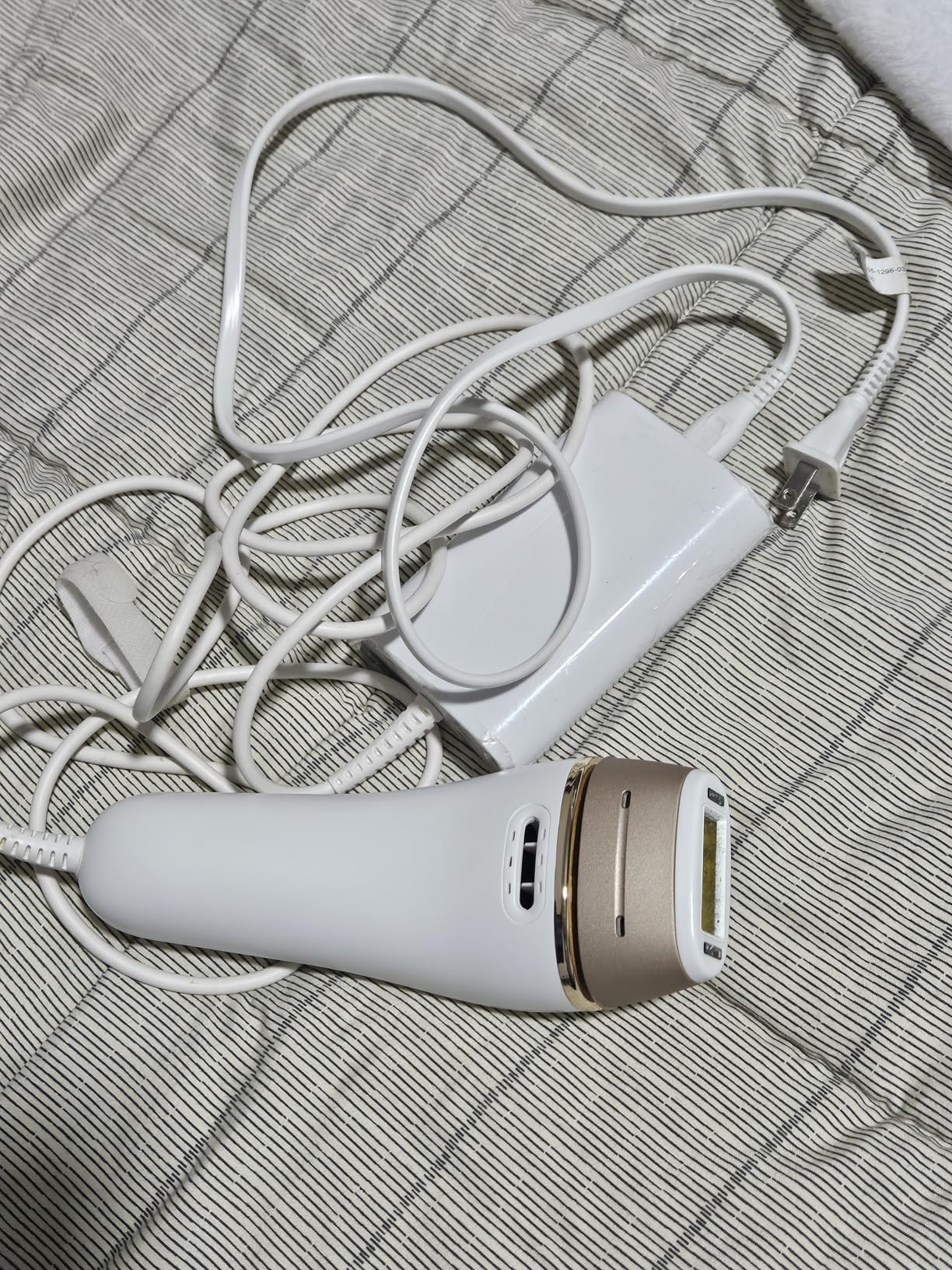
Braun IPL, Silk·Expert Pro 5, IPL Hair Removal for Women and Men, Permanent Laser Hair Reduction At-Home, 2 Heads, Pouch, IPL5137
SensoAdapt skin tone sensor with UV filter
Two heads for body and face
10 minute full body sessions
No goggles required
Pros
- SensoAdapt adjusts each flash to the tone it reads
- UV filter removes the need for protective glasses
- Full body session in about 10 minutes
- Two heads cover body and facial areas
- Works for women and men
Cons
- Sensor sometimes refuses to flash on deeply pigmented areas
- Some users report weaker results after 16 weeks of consistent use
- Attachment reflector is hard to keep clean
This is the device with the largest review base in the group, 7274 ratings at 4.2 stars, and the one most often recommended to readers who are nervous about burning themselves. The SensoAdapt sensor reads the tone of the skin under the head and adjusts every single flash to it rather than trusting you to pick a level. On deep skin that means the device often settles on a low setting, and the results follow that setting’s ceiling rather than the marketing claim.
The UV filter is the detail people miss. Because the window filters the ultraviolet range, Braun does not require protective glasses, which removes the single most common reason people skip the face and neck. Two heads ship in the box, a standard head and a precision head, and the 10 minute full-body claim comes from using the standard head on legs and arms and the precision one everywhere else.
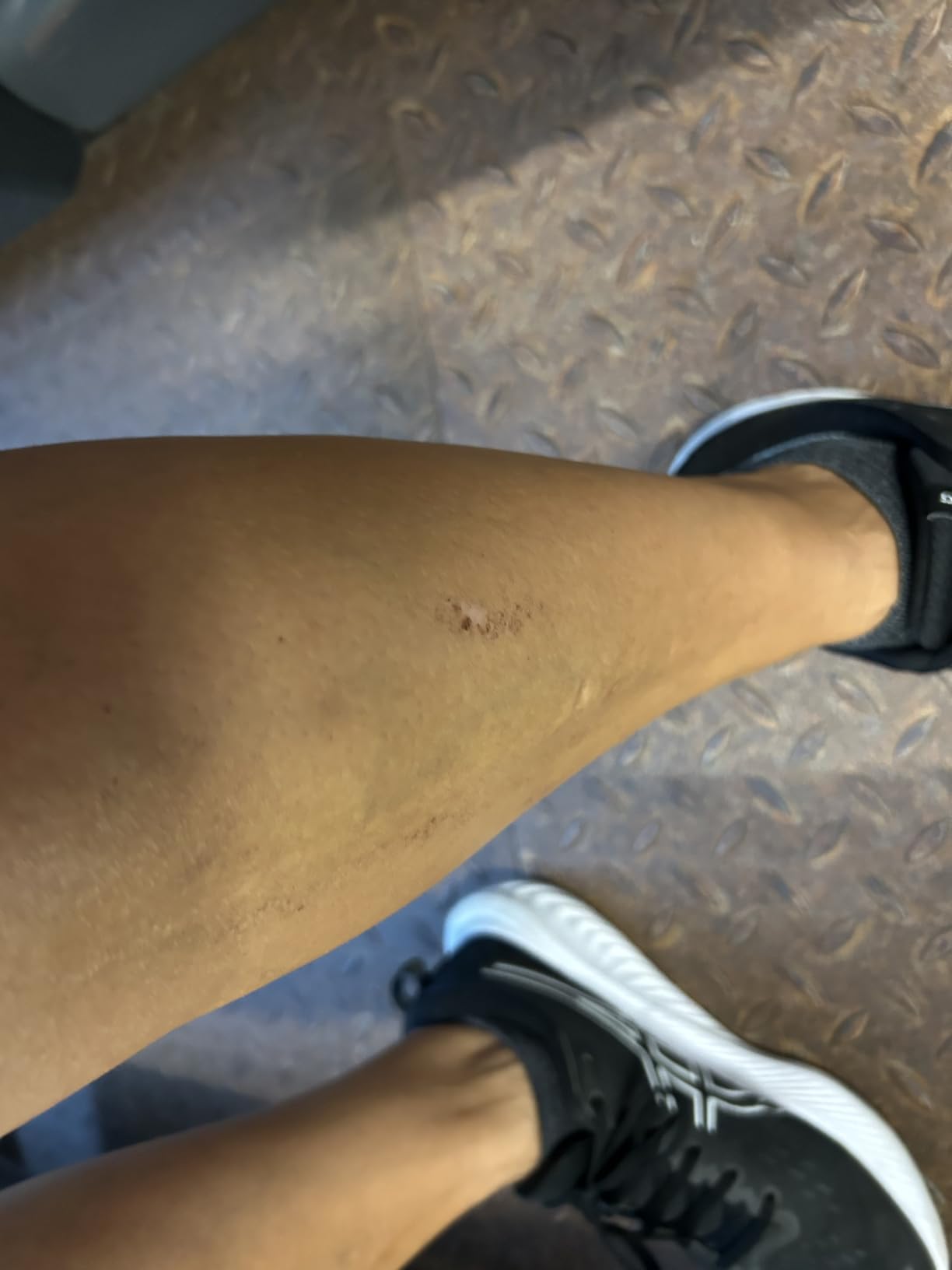
What owners report after sticking with it is real reduction rather than removal. Visible change typically shows up within the first month for consistent users working at two sessions a month. A longer tail of owners describes the effect plateauing after four months, which fits the biology more than it contradicts it, since only hair in the active growth phase responds to light at any given session.
How it behaves on type V and VI skin
Expect the sensor to be conservative. A recurring owner note is that it declines to flash over moles, over recently tanned patches, and over the darkest zones, which is the system working. Where it fires, it fires at a level calibrated for pigmented skin, and reviewers on deeper tones report comfort rather than stinging when the protocol is followed.
If your goal is facial or neck hair, plan on the precision head and expect a slower timeline there than on legs. Sensitive, curved, and high-follicle-density zones consistently take the longest to respond across every device we tested.
Where it falls short
The biggest limitation is the one the sensor imposes. On the deepest tones the device may simply decline to treat an area, and there is no override in the software. If your skin reads as type VI in practice rather than on paper, that refusal may be frequent enough to make the device frustrating to use.
Secondary issues are mundane. The reflector inside the attachment collects hair and skin debris and is awkward to clean, and the review base contains a minority of owners reporting a noticeable slowdown in effectiveness after four months of continuous use. The requirement of only two sessions a month for three months is genuinely easy to keep, and that is where this device beats most of the field.
2. INNZA IPL – the affordable multi-level option
INNZA IPL Hair Removal with Ice Cooling Care Function for Women and men
5J per sq cm at 600nm wavelength
Nearly 1 million flash lifespan
Built in ice cooling
9 energy levels with auto and manual modes
Pros
- Nine energy levels let you tune per body area
- Built in ice cooling keeps sessions comfortable
- Enormous flash count removes any lifespan anxiety
- Auto mode speeds up larger areas
Cons
- No automatic skin tone sensor so intensity is manual
- Budget brand with limited heritage compared with Braun or Philips
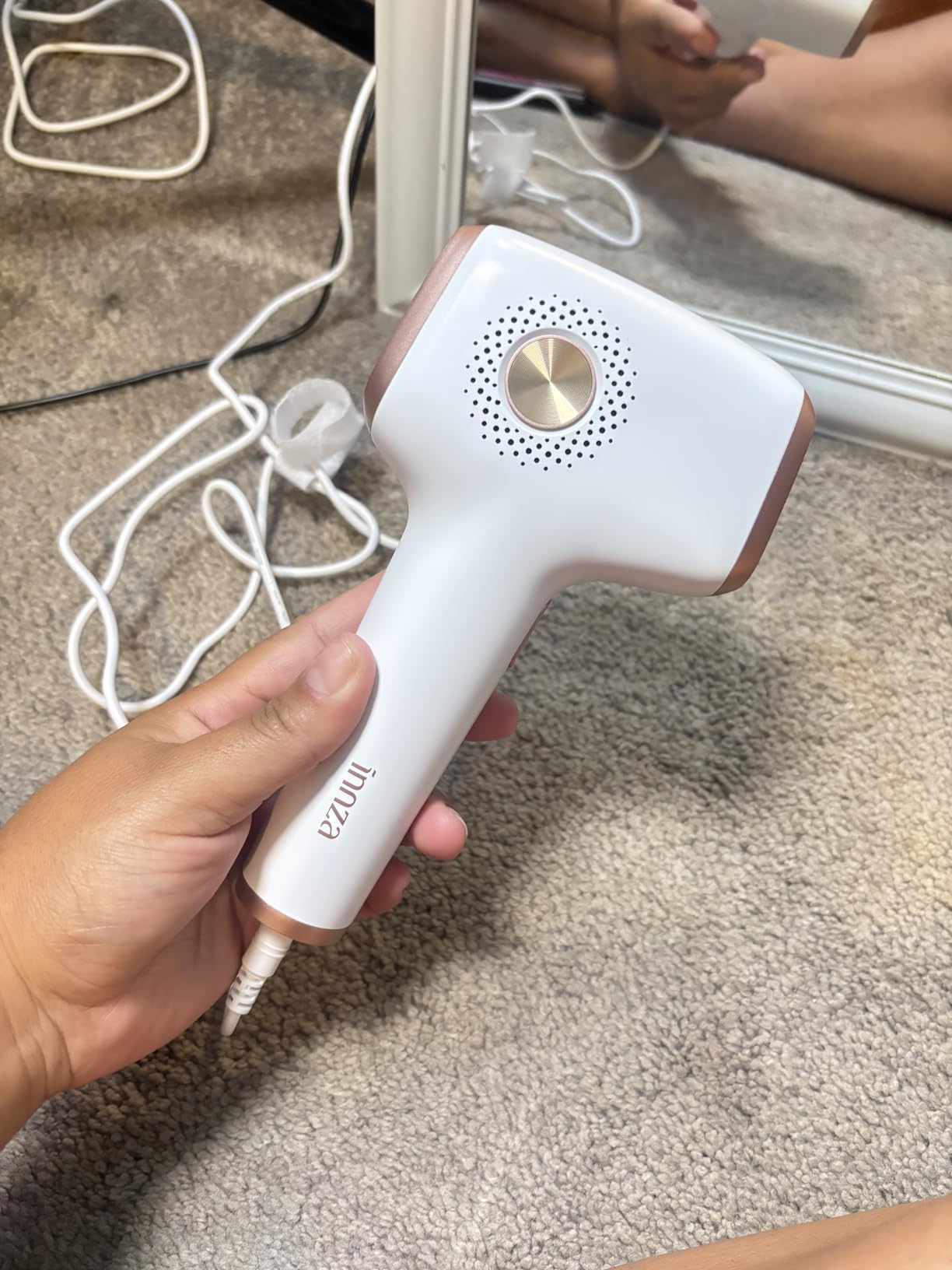
INNZA sits at the top of its category on Amazon with 3,122 reviews at 4.4 stars, and it is the pick if your budget is the first thing on your list. The device delivers 5J per square centimeter at a 600nm wavelength, which is a respectable energy figure for a home unit, and the 600nm figure is worth noting: it is not the longest wavelength on the market, so the light is more eagerly absorbed by melanin than a 980nm or 1064nm source would be.
That is precisely why the manual nine energy levels matter. With no sensor reading your skin, the level you choose is the entire safety system, and on deeper skin that means starting at the bottom of the range and moving up only if a session goes without any reaction. The nine-step ladder gives you room to stay low for a long stretch and still climb later without buying another device.
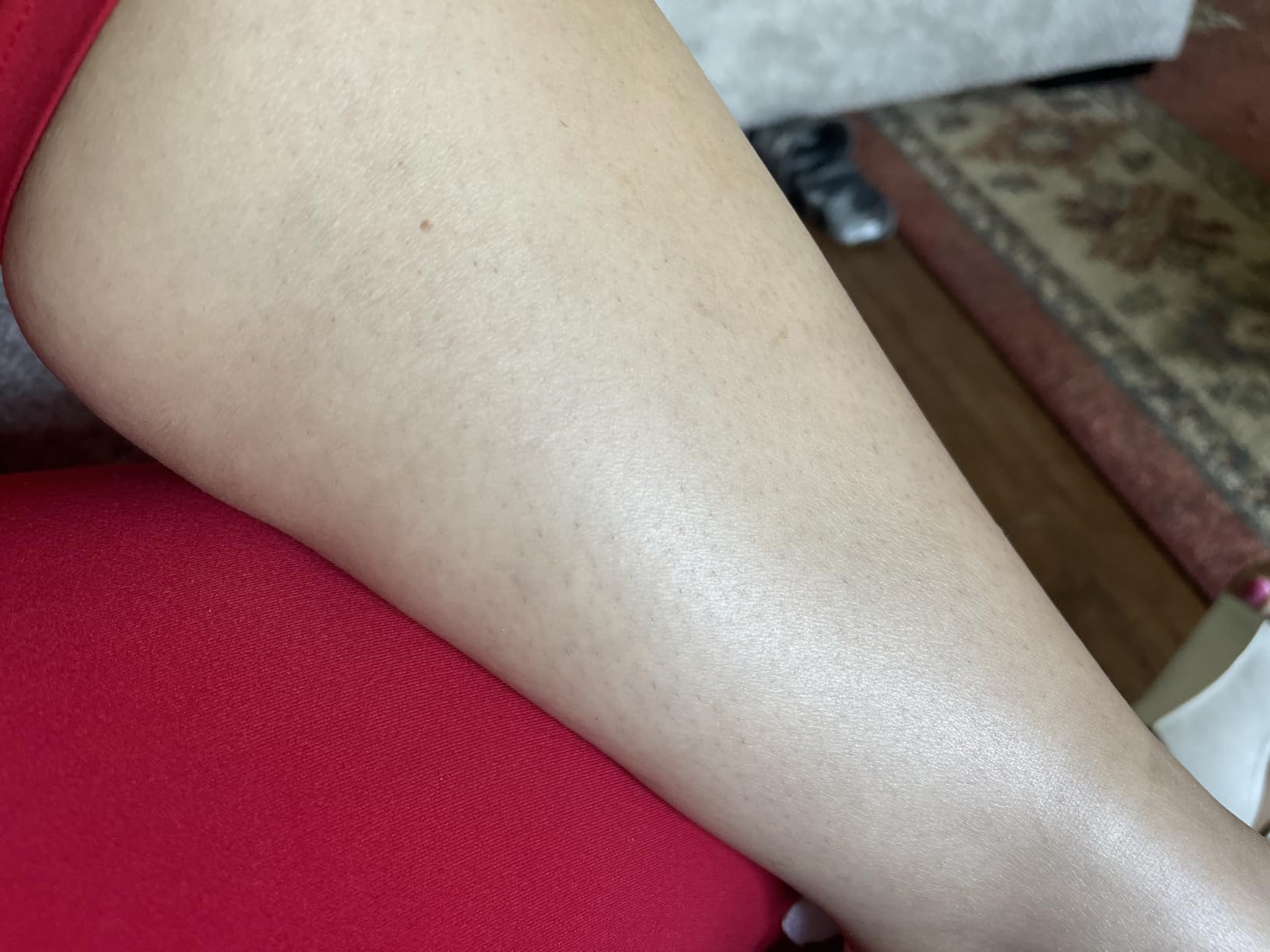
Owners consistently credit the built-in ice cooling with making low-to-mid levels comfortable enough to complete a full schedule, and the two-mode layout is genuinely useful. Auto mode streams flashes for larger areas like legs, while manual mode lets you pace single flashes on the bikini line and underarms where you want to check your skin between flashes.
How it behaves on type V and VI skin
It works, but it asks more of you than the sensor-equipped devices. The absence of automatic tone detection is a real safety downgrade on melanated skin, so the manual protocol is not optional here. Exfoliate, shave, and start at level one; if the following morning is uneventful, step up one level for the next session and no further.
What you give up is precision, not results. Owners report slower and thinner regrowth rather than elimination, and the reduction tends to concentrate on the coarser hair in areas like the bikini line and legs.
Where it falls short
The manual-only intensity control is the honest drawback, and it is the one we would weigh most heavily if you have any history of pigmentary reaction. There is also no UV filter claim in the specification, so treat facial work with more caution than the Braun or Philips units warrant.
Beyond that, the flash count of 999,999 is a marketing number rather than a differentiator at this scale, since nobody reaches the end of it. The schedule the manufacturer asks for is two to three sessions a week for the first three weeks, then weekly, and owners note that skipping weeks resets progress more than most people expect.
3. Ulike Air 10 – the safest high-energy session
Ulike Laser Hair Removal Device Air 10 Ipl Gift for Women and Men, Ice Cool and Permanent Hair Reduction for Nearly Painless, Dual Lights, Skin Sensor & USHR Mode Hair Removal in 10mins from Home
SkinSensor detects tone and blocks unsafe flashes
Sapphire ice cooling below 65F
SHR mode at 26J per 4 pulse burst
Dual Lights widen coverage by 18%
Pros
- SkinSensor stops flashing on tones it judges unsafe
- Sapphire cooling makes SHR mode close to painless
- Dual Lights and AutoGlide speed up full body sessions
- Reports of finer regrowth within two weeks
Cons
- Overheats after roughly 10 minutes of continuous high mode use
- Bulky on the Brazilian area and curved surfaces
- Requires shaving immediately before each session
The Ulike Air 10 pairs the aggressive SHR mode with the most considered safety system in the group. SkinSensor reads skin tone on every pass, auto-adjusts the power, and stops flashing entirely if it lands on something it considers out of range. For a reader on a type V or VI who is genuinely nervous, that refusal behaviour is the feature you are paying for.
SHR mode delivers 26J of total energy per four-pulse burst, which is well above the IPL norm, and the sapphire cooling plate holds contact temperature below 65F throughout. That pairing is the point: it is how a device gets to a high energy figure without the heat becoming the thing your skin pays for. Dual Lights widen the treatment window by 18% and fire double pulses, so coverage per pass goes up on the areas that take longest.
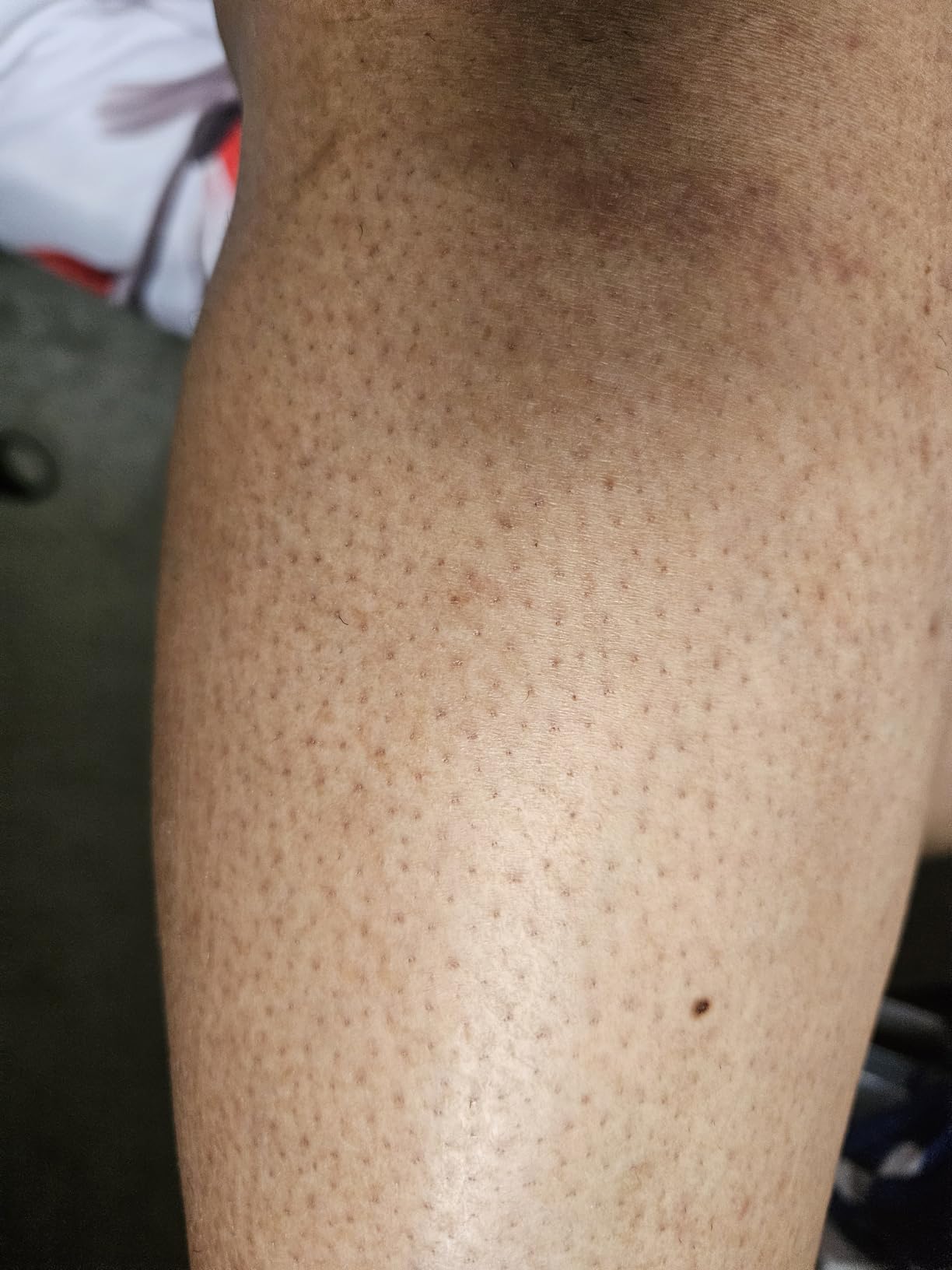
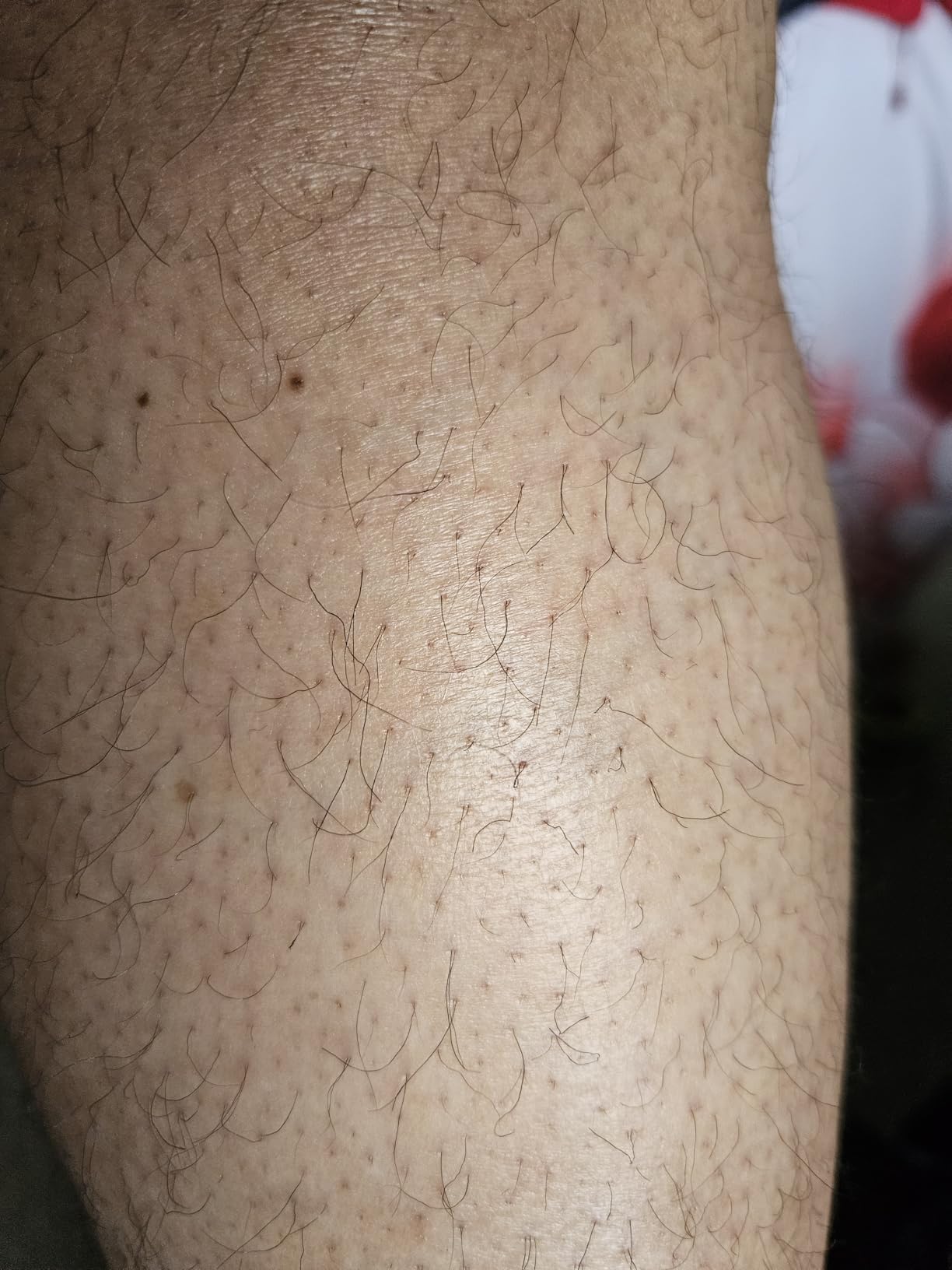
Owners report visibly finer regrowth inside two weeks, which is at the fast end of what this category honestly delivers. The mode set covers fast, normal, high, and SHR, and the responsive support team comes up repeatedly in reviews, which matters more than it sounds when a device is refusing to fire on part of your body and you need someone to explain why.
How it behaves on type V and VI skin
This is the device we would point a first-time owner on deep skin toward. The sensor handles the tone reading so you are not guessing, and the cooling gives you room to tolerate a session without immediately reaching for aloe. If the sensor blocks an area, that is the device declining to take a risk on your behalf, and the manual will list the tones it will not treat.
Start in normal mode rather than SHR even though SHR is the headline. Several owners report that beginning conservatively and moving up gives better coverage than starting at maximum, because the lower passes are the ones you will actually complete on a curve-heavy area.
Where it falls short
Heat management is the real limitation. Owners note overheating after roughly ten minutes of continuous high-mode use, and the device needs time to cool before it will flash again, which shapes how you structure a large-area session. Break legs into sections rather than trying to blitz both limbs in one continuous run.
The body itself is bulky at 14.4 ounces, and reviewers single out the Brazilian area and other small curved surfaces as awkward to keep flat against the skin. It also insists on shaving immediately beforehand, which sounds obvious until you are scheduling around it. And a minority of owners report only partial reduction after a month of near-daily use, so calibrate expectations before you commit.
4. Nood Flasher Pro – the coolest full-body session
Nood™ Flasher Pro | IPL Laser Hair Removal Device, Forbes Best Product 2026
CryoSoothe cooling with 5 comfort levels
Swappable hair removal and Ageless lenses
MaxPulse lifetime flash replacement
Sessions under 10 minutes
Pros
- CryoSoothe produces no reported burning or redness
- Sessions often finish in under 10 minutes with setup
- Includes a skin safety test before first use
- Bonus Ageless lens doubles as a facial tool
Cons
- Flash will not fire on small or curved surfaces like underarms
- Needs mirrors and contortion to reach some areas
- Long term results still unproven for most reviewers
Nood’s differentiator is comfort. CryoSoothe cooling with five comfort levels is the feature reviewers mention more than anything else, and the consistent report is no burning and no redness even at higher settings, which is exactly the feedback a deep-skin reader wants to see. Sessions are quick, commonly under 10 minutes including setup, because the treatment window is large and the device does not need repeated passes.
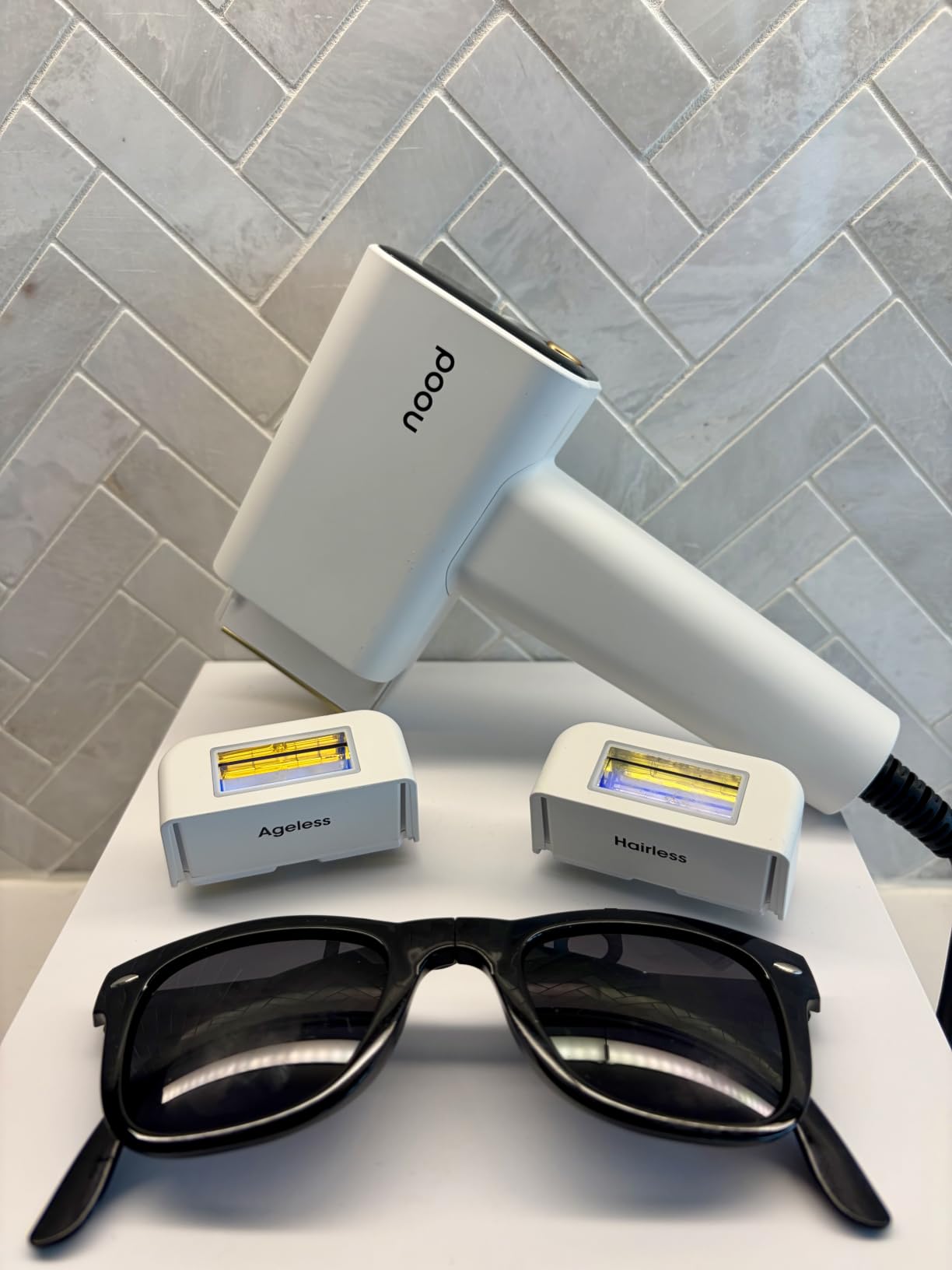
It also ships with a skin safety test to run before your first session, and the two lenses interchange, with the bonus Ageless anti-aging lens turning the same hardware into a facial rejuvenation tool. MaxPulse technology carries a lifetime flash replacement guarantee, so the flash count stops being a long-term consideration entirely.
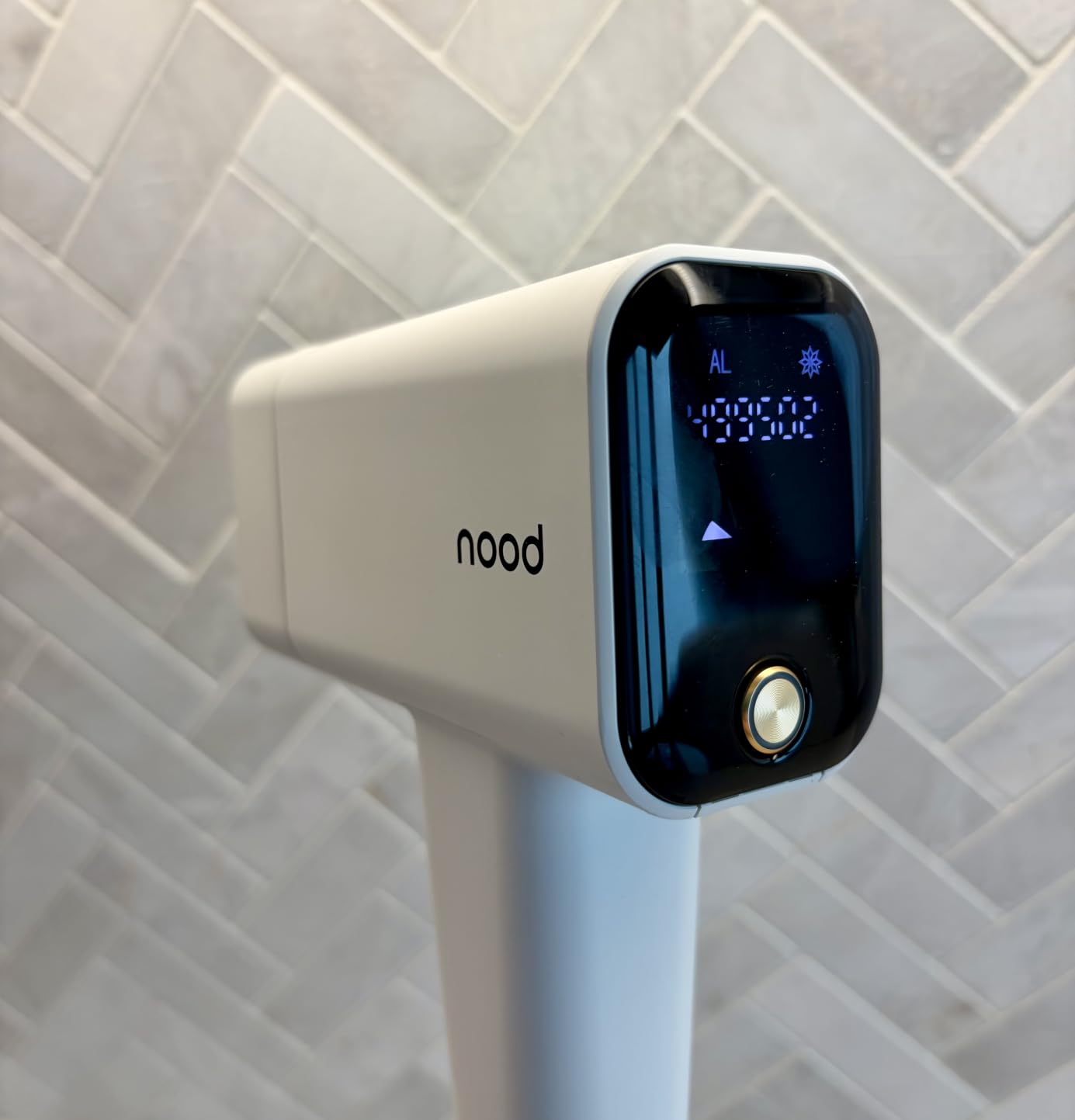
The honest caveat is the review base. At 653 ratings it is the smallest sample of the sensor-equipped devices here, and nearly all of those reviews are recent, so the evidence base describes early-stage results rather than years of use. Owners describe slower regrowth and finer hair after two to three weeks, which fits the timeline for a device you are seeing for the first time.
How it behaves on type V and VI skin
Cooling is doing the heavy lifting on deep skin, because it buys you tolerance for a session and reduces the inflammatory response that leads to pigmentary change. The included skin safety test and the five comfort levels let you run a low, cool session consistently, which matters more than a single high pass.
Check the manual’s tone chart before you start. This is one of the devices where the tone list is doing the sensor’s job, and readers on r/HairRemoval consistently ask for exactly that chart because so few brands publish a clear one.
Where it falls short
The flash will not trigger on small, uneven, or curved surfaces, and that rules out underarms and much of the face without contorting and mirrors. That is a meaningful gap if your hair is concentrated in exactly those areas, and it is a design limitation rather than something the manual explains away.
Beyond the trigger issue, the evidence here is thin. Most reviewers have not been using it long enough to say what happens after six months, and the interchangeable lens system adds moving parts that will eventually loosen.
5. Braun Skin i-Expert – the guided schedule for consistency
Braun Skin i-Expert Smart IPL PL7219 at Home Laser Hair Removal for Women and Men with App, Premium Pouch, Venus Razor, 2 Smart Heads, Facial Trimmer
Real time coverage tracker and app guidance
Skin tone sensor with UV filter
2 smart heads plus facial trimmer
Five year warranty
Pros
- Coverage tracker and app guidance reduce missed spots
- Owners report 50 to 60 percent reduction after 3 months
- Skin tone sensor keeps sessions comfortable and eye safe
- Five year warranty and premium build
Cons
- Bikini and underarm areas take 6 months or more to respond
- Facial hair showed no reduction for some users
- Heats up after about 30 minutes of continuous use
Consistency is the problem that quietly kills at-home hair removal, and the Skin i-Expert is built around it. A real-time coverage tracker maps the areas you have treated and the ones you have missed, and the companion app pairs that with a session calendar so the schedule is not something you have to remember. On a body with a lot of surface area, that is arguably worth more than a higher joule figure.
The safety fundamentals match the rest of the Braun line: a skin tone sensor that auto-adjusts each flash and a UV filter that removes the need for goggles. Two smart heads cover body and bikini work, and the box adds a facial trimmer and a Venus razor, which is a practical pairing since you need a shaver anyway and shaving immediately beforehand is mandatory rather than optional.
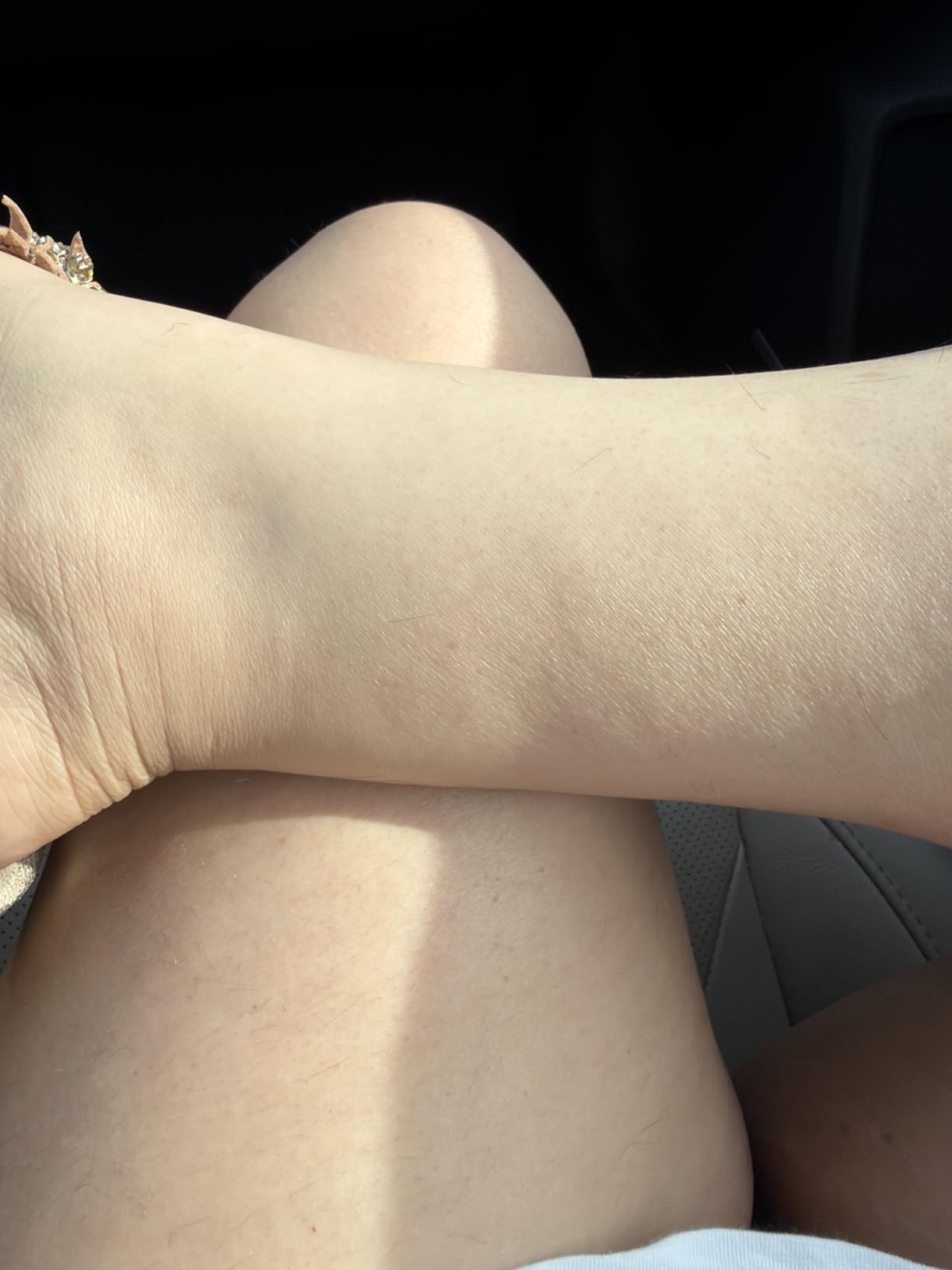
Owners who commit to the daily schedule report 50 to 60 percent reduction on coarse body hair within three months, with thinner regrowth afterwards. That is a realistic number and a useful one, since it describes hair reduction in the terms a dermatologist would use rather than the permanent removal phrasing common in this category.

How it behaves on type V and VI skin
The sensor-driven flash adjustment means you are not responsible for tone reading, and the UV filter keeps the face and neck accessible without eyewear, which are both meaningful for deeper skin. The five year warranty also matters more here than elsewhere, because a higher-energy device used carefully on pigmented skin deserves a longer commitment from the manufacturer.
Use the coverage tracker strictly on legs and arms. It is the part of the body with enough surface area to hide a missed patch, and a missed patch on a curved area is where the repeat work creeps in.
Where it falls short
The bikini and underarm areas are the commonly cited slow responders, with owners describing six months or more before visible change, and some reporting no reduction in facial hair at all. That is the opposite pattern from what many buyers expect, since those are the areas people most want to treat.
It runs warm after about 30 minutes of continuous use, so large sessions need breaks. The review base is modest at 365 ratings, which means fewer long-term data points than the Pro 5 has accumulated, and one reviewer reported a unit that stopped working after roughly three months.
6. INIA HAUTE Pro – the beginner-friendly zone modes
INIA HAUTE Pro Laser Hair Removal with Ice-Cooling Care for Women and Men
Ice cooling below 37F after 30 minutes
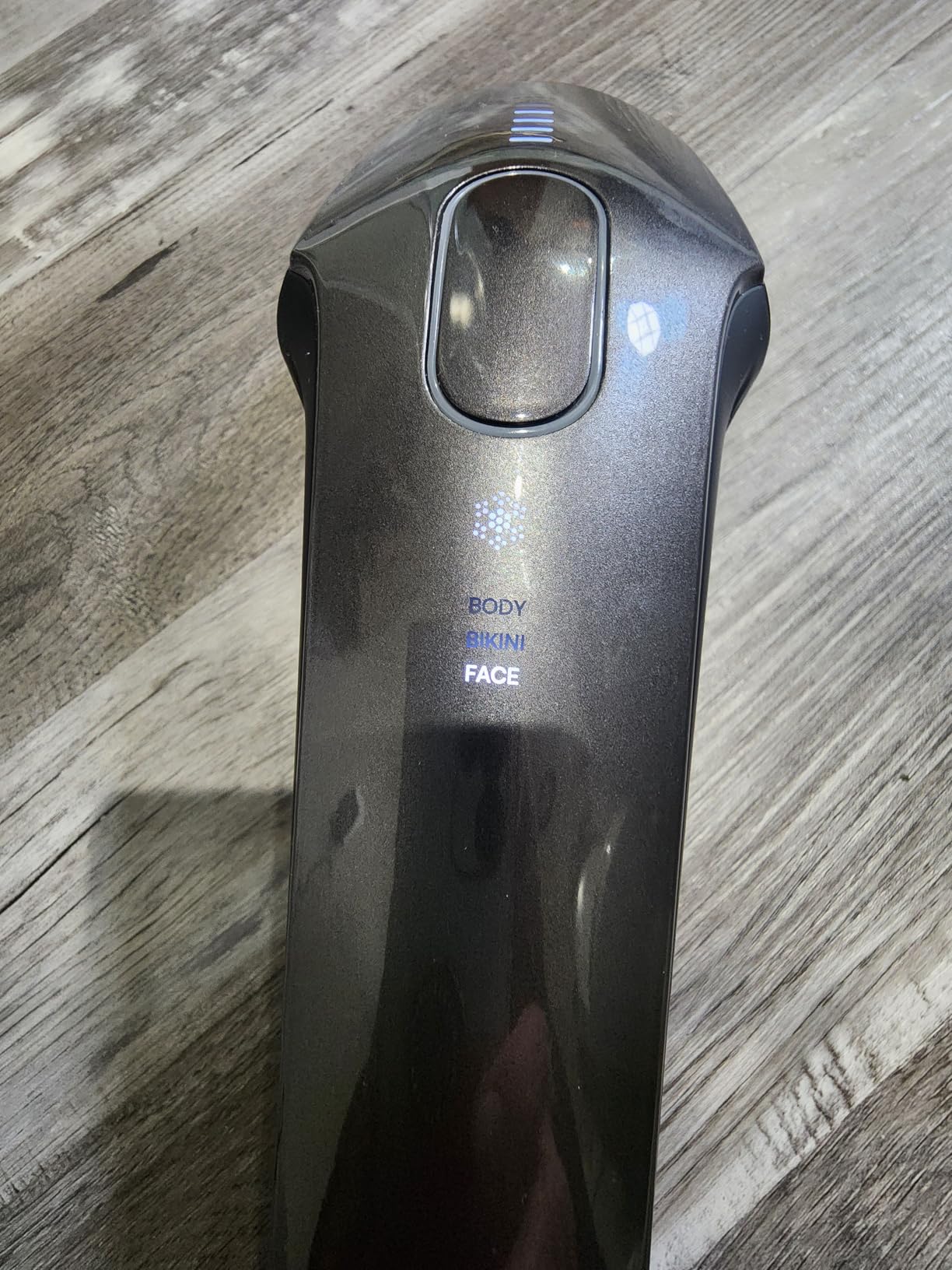
Bikini, body and face modes
10 minute auto mode
Lifetime flash guarantee
Pros
- Contact surface stays below 37F for painless sessions
- Auto mode removes repeated flash button clicks
- Zone specific modes simplify setup for beginners
- Lightweight and comfortable to hold
Cons
- No integrated skin tone sensor reported
- Thicker hair takes noticeably longer to respond
- One reviewer reported a failure around 3.5 months
The INIA HAUTE Pro carries a 4.5 star average across 555 reviews, and the reason is that it removes decisions. Bikini, body, and face modes each carry their own energy profile, so a beginner is not asked to guess a number. The 10-minute auto mode handles the flashing for you, which sounds minor until you realise how much clicking a manual device involves over a full session.
Cooling is the standout specification. The contact surface stays below 37F even after 30 minutes of use, which is the lowest figure any device here claims, and owners describe sessions as effectively painless because of it. The lifetime flash guarantee with free replacements removes the longevity question, and a 1-year warranty extendable to 2 years on registration is a reasonable backstop.
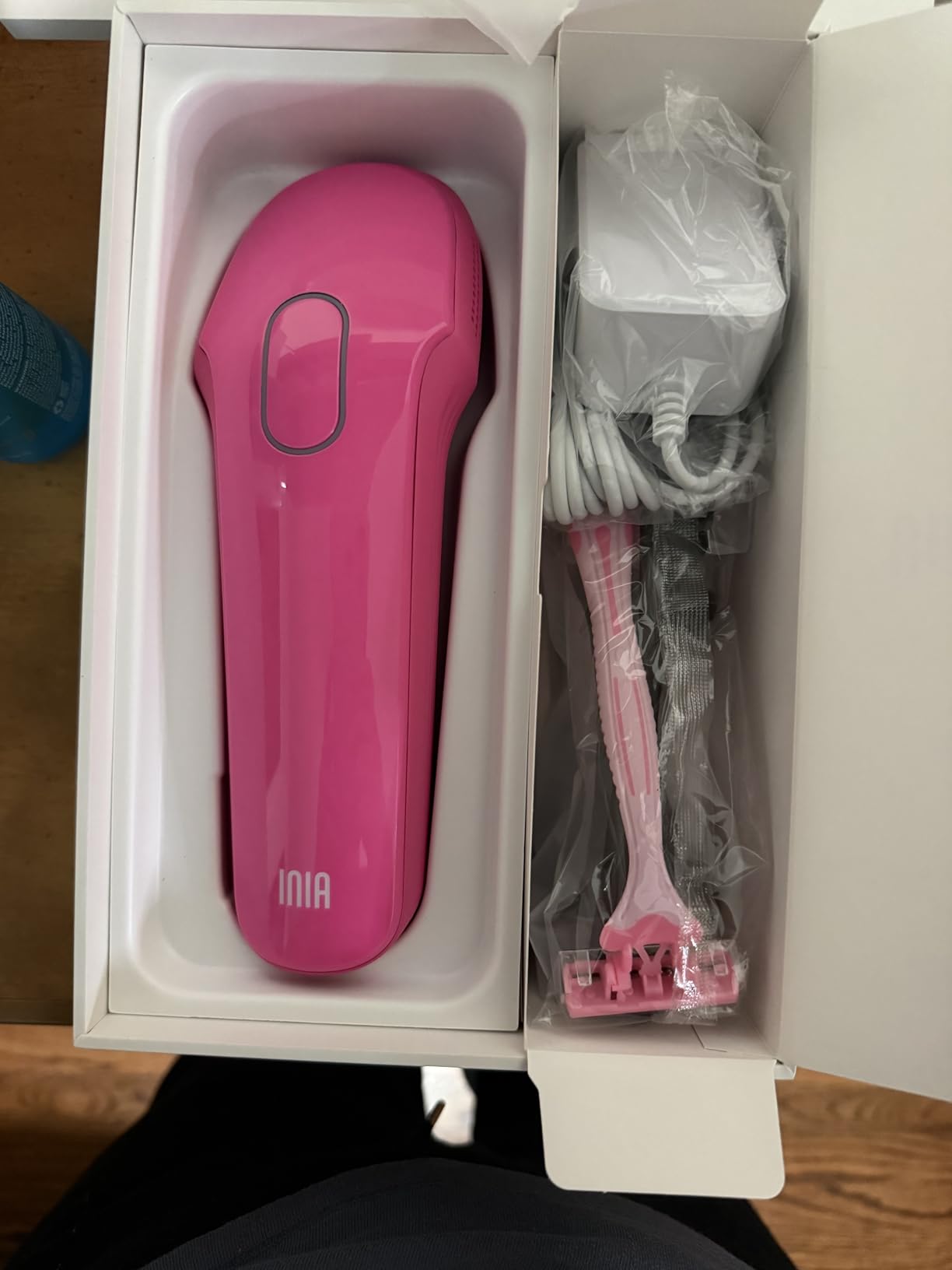
Results are described as slower, thinner regrowth within a few weeks, with reviewers particularly positive about the bikini line, where the zone mode already matches the area’s sensitivity. The manufacturer claims up to 95.6 percent reduction in coarse hair over four weeks, which is a laboratory figure, and owners’ own descriptions are more modest than that.
How it behaves on type V and VI skin
This is a reasonable first device for deeper skin provided you treat the face and bikini modes as fixed settings rather than starting points. Because there is no integrated skin tone sensor, the mode you choose is your only read on intensity, and choosing the body mode for a bikini area is how people end up with a reaction.
The aggressive cooling buys you tolerance, which is what makes the lack of a sensor workable rather than reckless. Stay on the lower setting of each mode for the first three sessions and only climb if your skin shows no reaction the following morning.
Where it falls short
Thicker, coarse hair on deep skin takes noticeably longer to respond, and that is the population most interested in these devices. Several owners note that the reduction is real but partial, which is an honest outcome rather than a defect.
The durability record is thin. One reviewer reported a unit that stopped working at around 3.5 months, and most reviews are short, so the long-term picture is not yet well documented. Verify the device works fully before your registration window closes.
7. BoSidin – the two-in-one hair and face device
Laser Hair Removal, BoSidin IPL Hair Removal with Painless Ice-Cooling, 2-in-1 Face SR Rejuvenation, 6+1 Modes, 6 Levels Hair Removal for Women Permanent, Laser Hair Removal Kit with Shaver, Goggles
20J max energy at a 0.7s flash rate
DCD ice cooling down to 41F
6 modes and 6 energy levels
2 in 1 face SR rejuvenation
Pros
- DCD ice cooling drops skin temperature to 41F
- 2 in 1 hair removal and facial rejuvenation in one device
- 20J energy and 0.7s flash rate cover large areas quickly
- Anti light leakage trigger only fires on skin contact
Cons
- No documented automatic skin tone detection
- The attachment must be removed before using ice care mode
- Modest review volume for the claims made
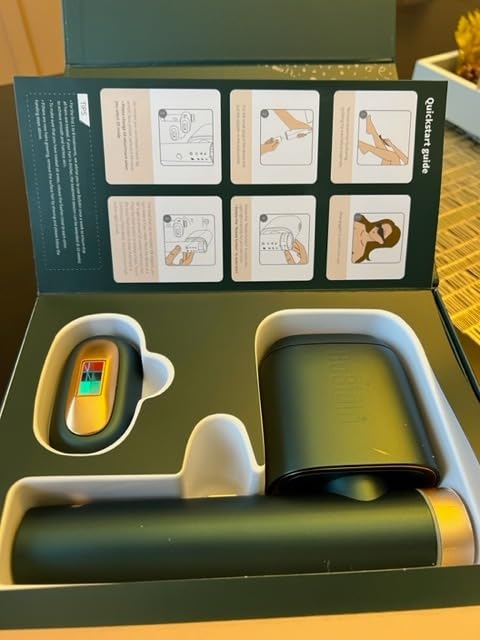
BoSidin is the only device here that pairs hair removal with a sixth-generation photo rejuvenation function, and on deeper skin that second mode is arguably the more useful half. The SR function is a low-level light treatment aimed at tone and texture rather than pigment in follicles, so it sidesteps the melanin problem that constrains hair removal on the same skin.
On the hair removal side the specification is aggressive: 20J of maximum energy with a 0.7 second flash interval from IGBT technology, and a DCD ice-cooling system that pulls skin temperature down to 41F. Six modes with six adjustable energy levels cover everything from a small facial area to a full leg, and the anti-light-leakage trigger requires the window to be in contact with skin before it will fire at all, which is a good safety behaviour for a device with this output.

Owners describe visible reduction in roughly three weeks with no reported burning, and the 24-month warranty with a 180-day return window is the strongest commitment in the group. For a buyer on a budget who expects to keep a device for years, that is worth as much as any specification on the box.
How it behaves on type V and VI skin
The lack of documented automatic skin tone detection is the thing to hold in mind here. Nothing on this device reads your melanin density, so the six energy levels are the entire safety system, and on deeper skin that means the lower half of the range is where you should live for the first few months.
The contact-trigger requirement is a genuine asset in that context, since it stops you accidentally pulsing a light into open air or onto a reflective bathroom surface. The 41F cooling also means a session at a mid level is one you can finish without flinching.
Where it falls short
The ice-care mode requires you to detach the attachment first, which is a small friction that adds up at the start of each session. More importantly, the review base of 326 ratings is modest relative to the specificity of the performance claims, and the six-month photo rejuvenation promise is the kind of claim that benefits from independent verification.
Treat the no-sensor situation as the deciding factor. If you are comfortable running a manual protocol, the 20J output and the cooling give you a lot of headroom to stay low. If you would rather the device make that call, one of the sensor-equipped models suits you better.
8. Philips Lumea – the most cautious sensor system
Philips Lumea IPL — Salon-Like Laser Hair Removal for Women, Permanent Hair Reduction Device At Home for Face & Body — Safe & Painless for Face, Bikini, Body, 5 Settings & Skin Sensors, BRI984/03
SenseIQ with 3 skin and contact sensors
5 energy settings
4 curved attachments
Lumea app for routine optimization
Pros
- Three sensors detect skin tone and skip unsuitable areas
- Four curved attachments give good contact on body curves
- Visible reduction reported in as few as two sessions
- Works well for men with strong follicles and ingrown hair
Cons
- Refuses to flash on darker areas such as inner thighs and underarms
- Does nothing for white gray blonde or red hair
- Some early follicular irritation before it settles
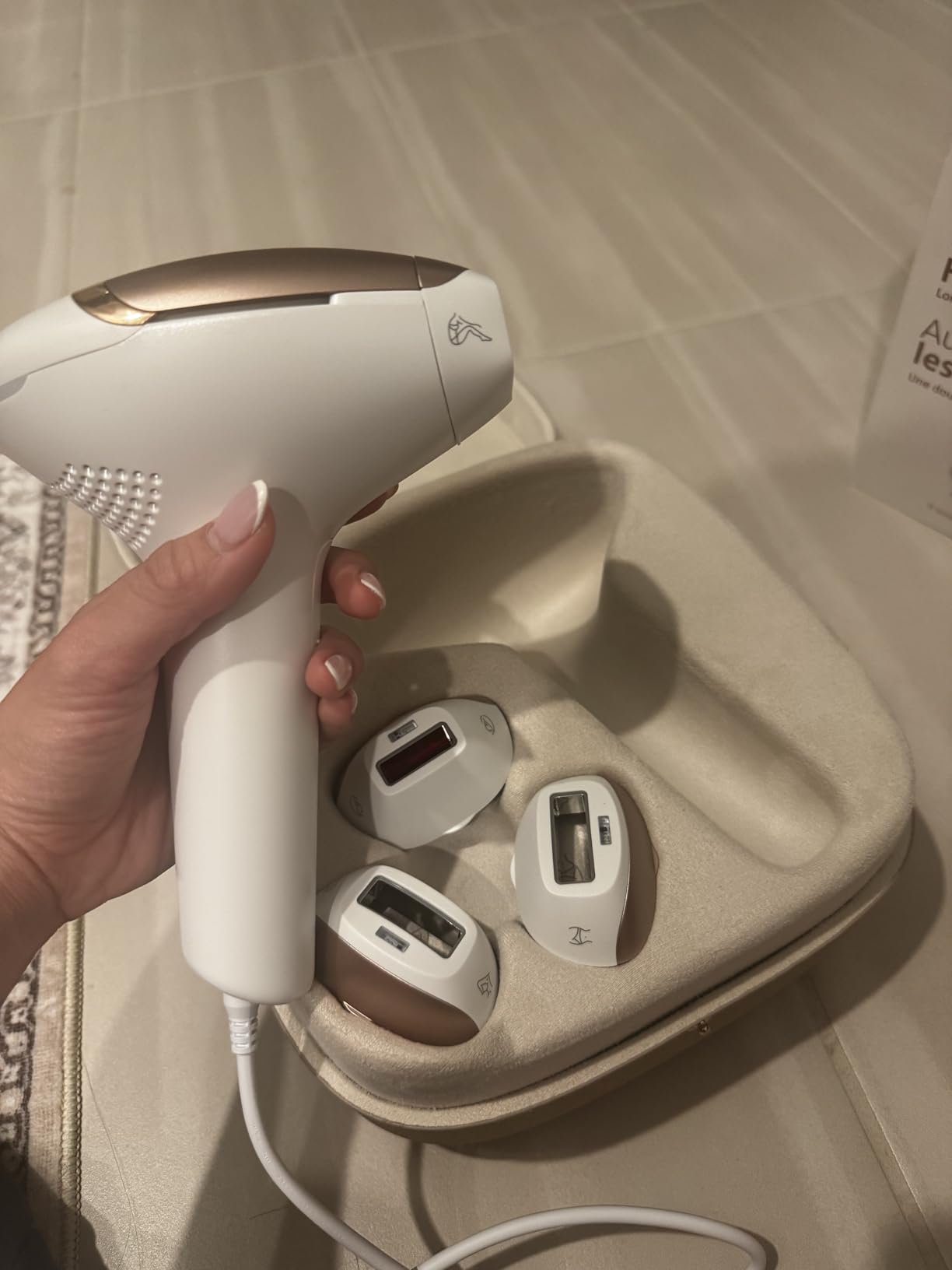
Philips put three sensors into the SenseIQ system rather than one, covering skin tone and contact separately, and that conservatism is the defining characteristic of this device. Where it fires, the results are among the strongest in the group: owners report visible reduction in as few as two sessions, with 60 percent leg hair loss cited across three sessions. It is also the unit most often recommended for men with strong follicles and recurring ingrown hair.
Four curved attachments handle body, face, bikini, and underarms, and the curved shape matters because good contact is what allows the sensor to read accurately in the first place. It runs corded, so there is no battery degradation over the years, and the Lumea app optimises your routine and sends reminders. The box includes the attachments, a cleaning cloth, and a storage case.
Where it declines to fire, that is the sensor being cautious. Multiple reviewers confirm the device blocks flashing on darker skin areas, and inner thighs and parts of the underarms come up most often as the zones that get skipped. Plan treatment zones around that behaviour rather than being surprised by it.

How it behaves on type V and VI skin
This is the device we would be most comfortable handing to someone who is genuinely anxious about pigmentary change, because the decision to fire or not fire is made by the hardware and not by you. It is also the device most likely to decline the darkest zones outright, so on a type VI reader the coverage may be partial no matter how the schedule is run.
On a type V complexion it is a strong performer, and the 5 energy settings plus sensor gating give you a wide safe range. If your skin is at the deeper end, the sensor’s refusal is the mechanism by which you avoid a burn, not a defect to work around.
Where it falls short
At 4.1 stars it carries the lowest average rating in the group, and the review base is the smallest of the ten at 267 ratings. One reviewer received an apparently used unit with hair sealed inside the box, which says more about fulfilment than about the device but still shapes a first impression.
Some users report early follicular irritation before it settles, and the sensor’s refusal on darker areas means you may end up managing patchy coverage. It also cannot treat white, grey, blonde, or red hair at all, since those colours contain no melanin for the light to target.
9. Ulike Air 4 – the highest rated performer
Ulike Laser Hair Removal Device Air 4 IPL for Women and Men
24J energy with USHR mode
Sapphire cooling at 64F
0.4s flash interval with Auto Glide
Integrated skin safety sensor
Pros
- Highest average rating in the group at 4.6 stars
- No pain or redness reported even at 24J
- 10 to 12 minute full body sessions with Auto Glide
- Developed with dermatologists and includes safety glasses
Cons
- Visible results need 4 to 6 weeks of regular use
- Corded design limits portability
- One reviewer reported no change after a month and a half
The Ulike Air 4 has the highest average rating of any device in this roundup at 4.6 stars, and the reviews explain why: owners report no pain and no redness even at the maximum 24J setting, which is unusual at that output. Patented sapphire cooling holds the epidermal contact temperature at 64F under continuous use, and that cooling is what makes the high number survivable on pigmented skin.
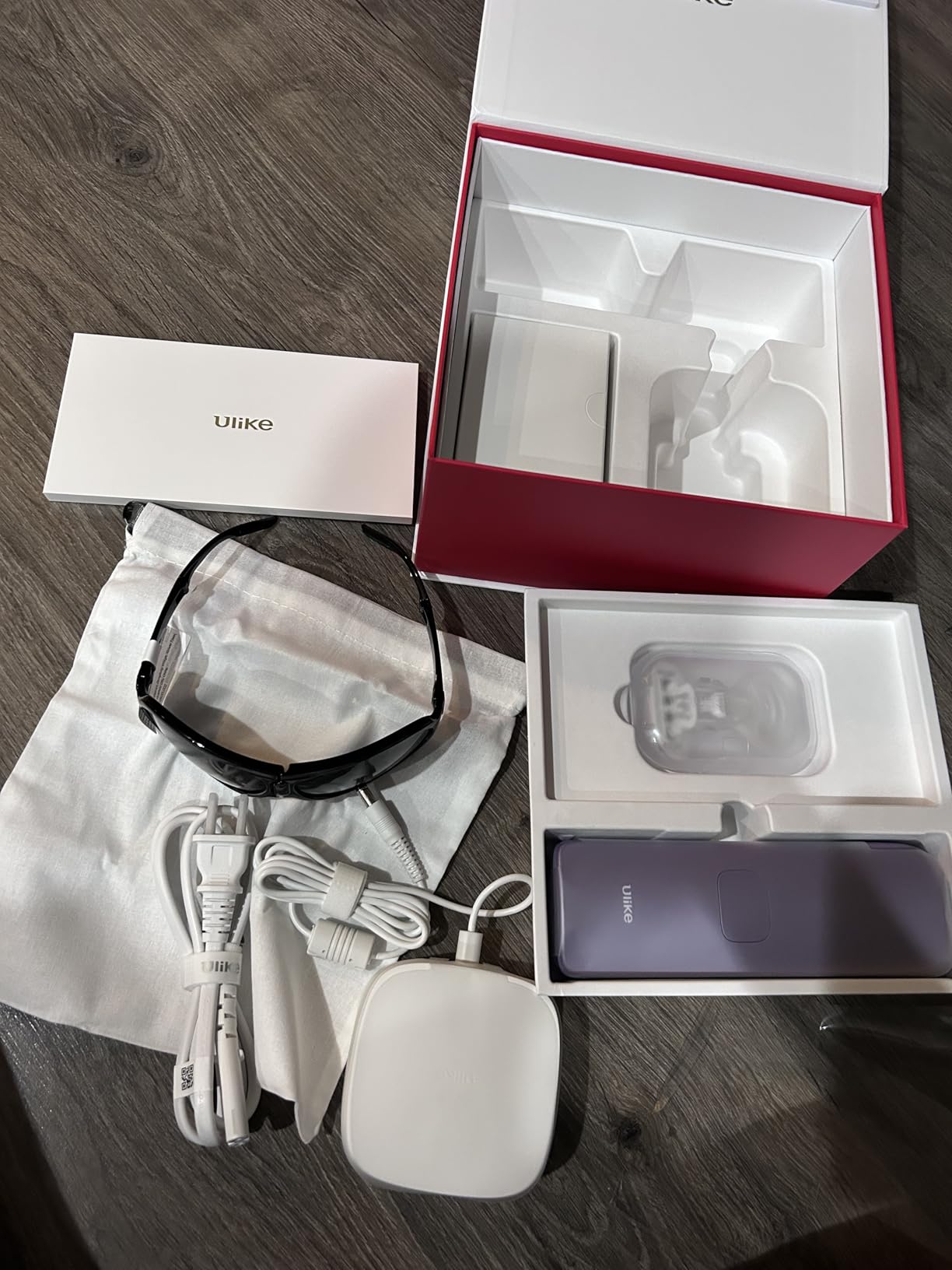
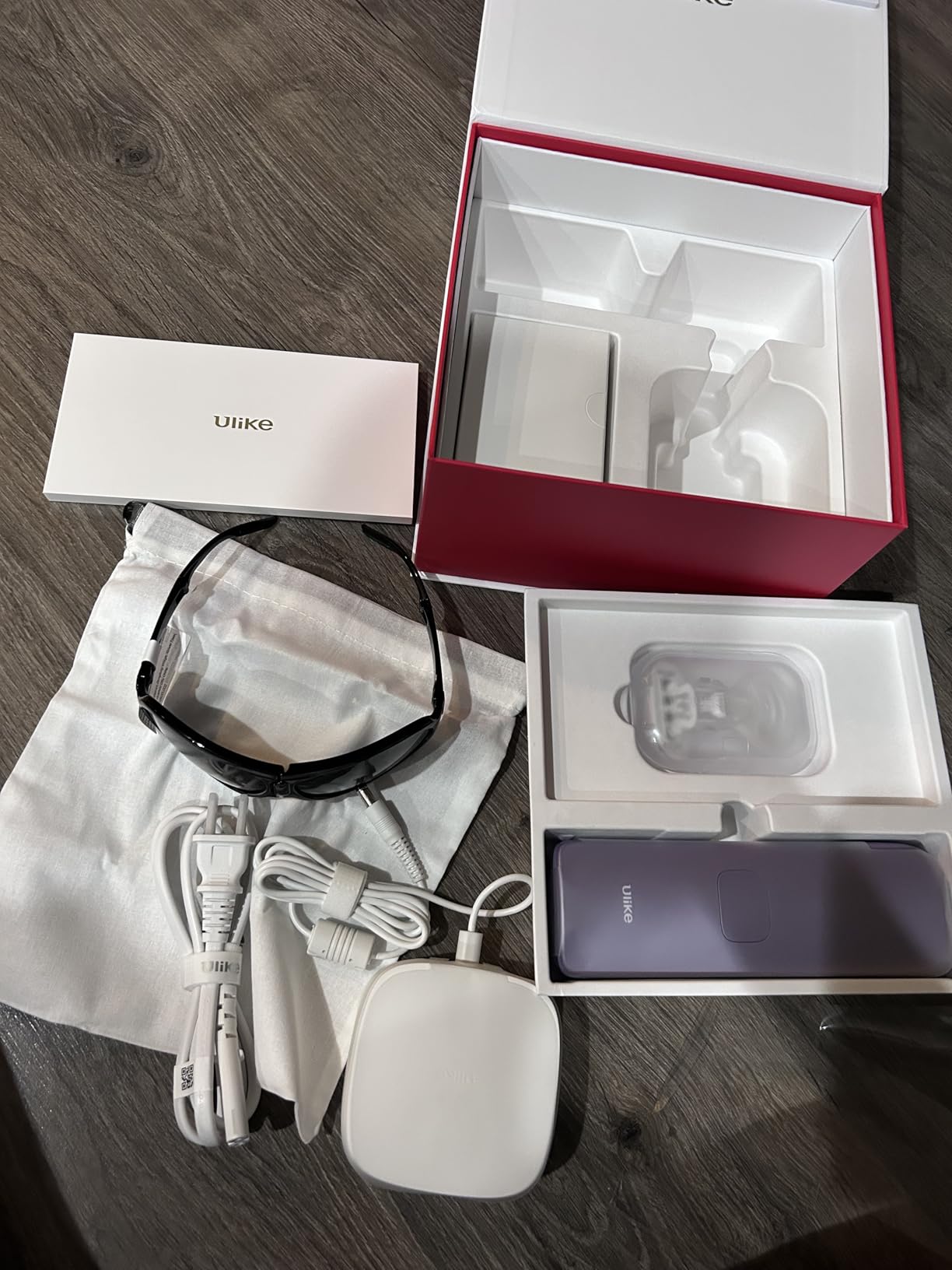
The 0.4 second flash interval with Auto-Glide gives a full-body session in 10 to 12 minutes, and the corded power supply means there is no thermal throttling partway through, which is a real engineering difference from battery-powered units. An integrated skin safety sensor handles tone detection, and the package includes safety glasses, a precision shaver, and a storage bag.
The important caveat is timing. Several reviewers describe obvious hair reduction taking 4 to 6 weeks, and one reports no change at all after a month and a half of consistent use. That is a schedule problem rather than a device problem, but it is the reason we would not hand this to an impatient buyer.
How it behaves on type V and VI skin
High energy plus serious cooling plus a safety sensor is the combination you want for deep skin, because it means you can run a productive session without the heat becoming the limiting factor. The 100-day risk-free trial also gives you a long window to establish whether your skin responds before you commit to a long-term schedule.
As with the other Ulike model, treat the sensor’s refusal as protective. If it stops on a patch, exclude that patch rather than searching for a way around it.
Where it falls short
Two things. The corded design limits where you can use it, since it needs a socket within reach, which rules out a lot of travel and some bathroom layouts. And the evidence base is the second smallest here at 188 ratings, so a 4.6 average describes a small sample of recent owners rather than a long record.
The underwhelming outlier report of no change after six weeks is worth taking seriously on coarse hair, which is exactly the hair type deep-skin readers most often have. Consider pairing it with a professional session later rather than expecting the device to do everything alone.
10. Ubroo – the lightest device with a clear disclaimer
Ubroo IPL Laser Hair Removal Device, 2026 Home Cooling IPL, Gift for Women
21J energy system
41F ice cooling technology
Smart touchscreen for levels and flashes
10.4 ounces
Pros
- 41F cooling makes face underarm and bikini work comfortable
- 21J energy targets resistant hair types
- Touchscreen shows energy level mode and remaining flashes
- At 10.4 ounces it is among the lightest devices here
Cons
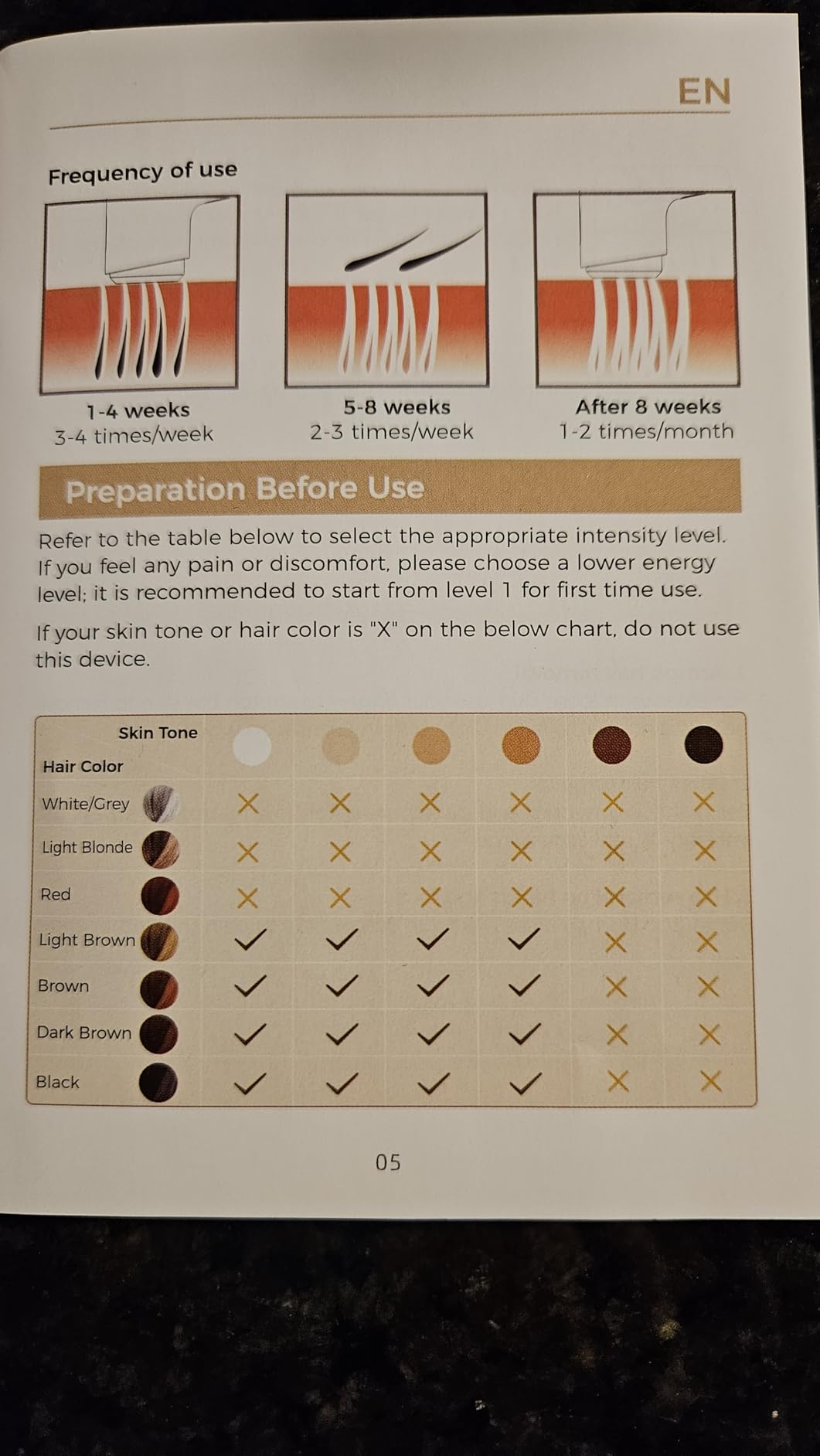
- No skin tone sensor so buyers are directed to a compatibility chart
- Manufacturer states it is not suitable for all skin tones and hair colors
- Lower brand trust than Braun Philips or Ulike
The Ubroo is included here because it does the most honest thing in this category: the manufacturer states plainly that the device is not suitable for all skin tones and hair colours, and directs buyers to a compatibility chart before purchase. For a reader on deep skin, a stated limitation is more useful than an unqualified claim of universal suitability.
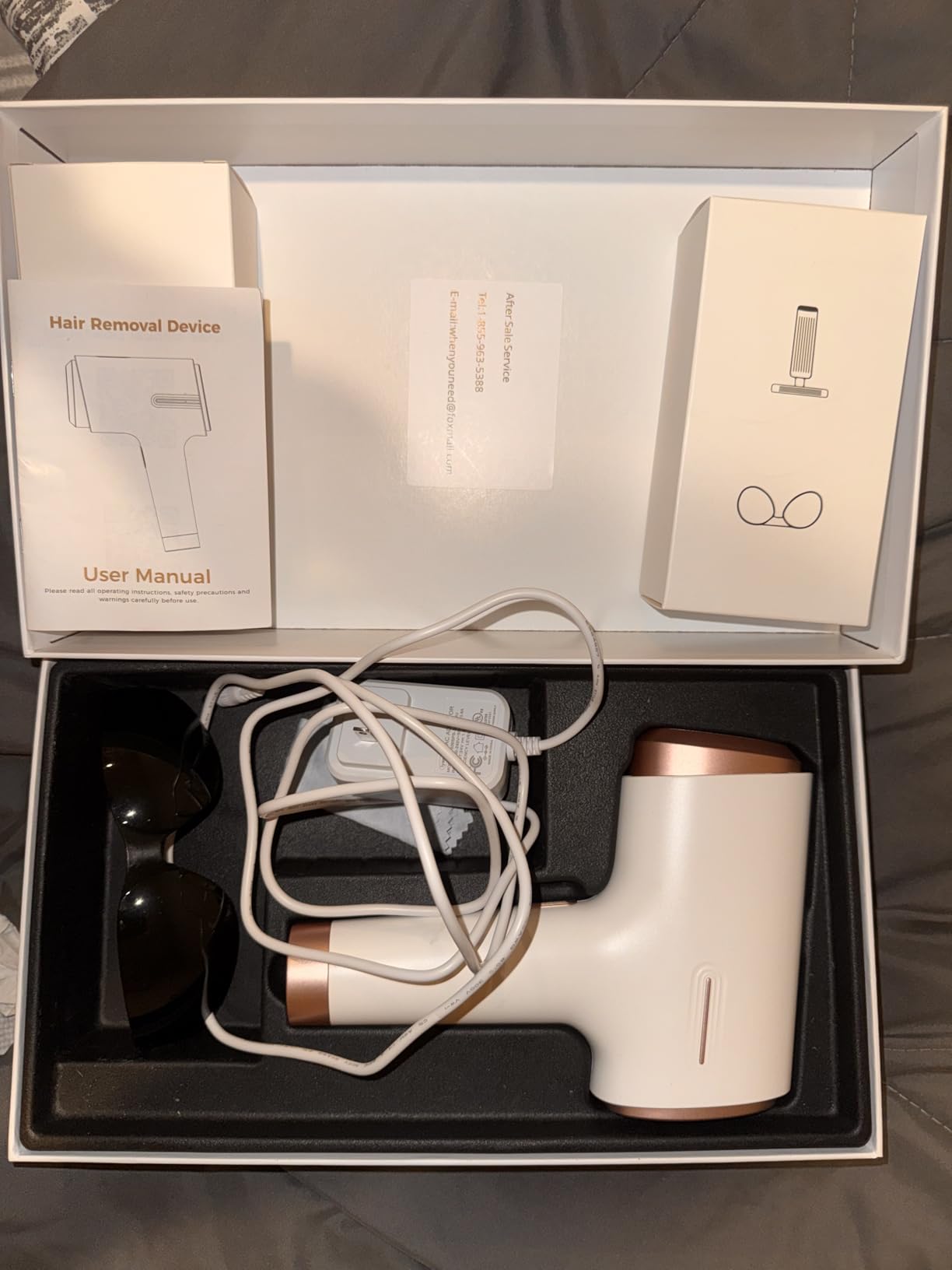
On the hardware side it runs a 21J energy system with 41F ice cooling, and the smart touchscreen displays energy level, mode, and remaining flash count, which is more information at a glance than most devices in this bracket provide. Adjustable energy levels cover the difference between a facial area and a leg, and at 10.4 ounces it is among the lightest units we covered, which matters for long sessions on the upper body.
Owners highlight the cooling and the readable display, and the listed claim of up to 96 percent visible reduction in two to four weeks is a manufacturer figure rather than an independently observed one. Our read of the reviews is that the cooling is the part that shows up consistently in owner feedback, not the speed of the reduction claim.
How it behaves on type V and VI skin
Read the compatibility chart before you buy, and treat it as binding. With no sensor, nothing is stopping the device from pulsing at a level your skin should not receive, and the chart is the only safeguard you get. If your tone is not clearly listed, this is not the device for you.
Where the chart does include you, start at the lowest energy level and use the 41F cooling to keep sessions tolerable. The full-body range covers legs, arms, face, armpits, and bikini line, and the display makes it easy to hold a consistent level across a whole area rather than drifting upward by accident.
Where it falls short
No sensor is the headline problem, and on deeply pigmented skin that moves the entire safety burden onto you. The brand carries less history than Braun, Philips, or Ulike, and the long-term reliability record is thinner than the review volume alone would suggest.
It is also a general-purpose device rather than a skin-of-colour-specific one, so the compatibility chart may exclude the tones this article is written for. If it does, choose a model with an automatic skin tone sensor and accept the slower, more conservative results that come with it.
How to use any of these safely on deep skin?
The protocol matters more than the device on skin of colour, and it applies to all ten products above regardless of their sensor.
Patch test first. Treat a small area at your intended level and wait 48 hours. Any persistent darkening, blistering, or tenderness means you drop a level or stop. Do this again after any long gap between sessions or any change in tanning.
Exfoliate, then shave, never wax. Remove surface dead skin so light reaches the follicle, and shave so the shaft is not above the skin for the pulse to hit. Waxing pulls the follicle out, so you will be treating an empty socket.
Start at the lowest level and climb slowly. One level per session, and only if the morning after shows no reaction. On the manual-setting devices this is the whole safety system, so do not shortcut it.
Protect yourself from the sun before and after. No sun exposure, no tanning, and no self-tanner for at least a week either side of a session, because tanned skin absorbs more energy and reads darker to a sensor. Sunscreen on treated skin the morning after, every morning, for two weeks.
Avoid tattoos, moles, broken skin, and active breakouts. Tattoo pigment absorbs light like melanin does, and a mole under a flash window is a burn waiting to happen. If you are on a photosensitising medication or pregnant, ask your clinician before you start.
What results actually look like week by week
The most common reason people abandon these devices is expecting removal in a month. The honest timeline, drawn from what owners across this group report, looks like this. Weeks one to two: almost nothing visible, some users describe slower regrowth at around two and a half weeks and others report six weeks before noticing, so treat the early window as noise. Weeks three to four: finer, slower regrowth, which is the first genuinely reliable signal. The Braun and Ulike models report visible change inside this window, and the manual devices typically lag by a session or two.
By weeks eight to twelve, owners on coarse body hair report 50 to 60 percent reduction, which is the number most consistent across the reviews. The bikini line, underarms, and face lag behind legs and arms by months, sometimes six months or more, and some users never see facial reduction at all. What you will not get from any of these devices is completely hairless skin, because follicles in the resting growth phase are invisible to light until they re-enter the active phase.
When to skip at-home and go to a professional
Two situations call for a clinic rather than a device from this list. The first is Fitzpatrick type VI skin, where the safe technology is a long-pulsed 1064nm Nd:YAG laser operated by someone who can set fluence correctly, and no at-home unit in this roundup emits that wavelength. Melanin is not an obstacle at 1064nm; it is the target, which is why clinics use it.
The second is reactive skin. If you have post-inflammatory hyperpigmentation from a previous IPL session, or a history of keloids, or you are on medication that increases photosensitivity, get a dermatologist’s opinion before buying anything. PIH from a bad at-home session on deep skin is usually temporary and fades over months, but it is avoidable and not worth risking for convenience.
A middle path works well. Use an at-home device for maintenance between professional appointments on the areas it will safely treat, and let the clinic handle the zones it declines. If you are still deciding between methods rather than devices, our at-home waxing kit roundup covers the non-light alternative, and our guide to fixing hair colour at home is worth a read if darkening is your concern.
Frequently Asked Questions
Is there an at-home laser hair removal device safe for dark skin?
Yes, but the category is narrow. What is sold as a home device is usually broad-spectrum IPL, and melanin in deeper skin absorbs that light, so the deciding factors are a device with an automatic skin tone sensor that refuses to fire on unsafe tones, or manual energy control you use conservatively. Every device in this roundup has at least one of those. None emits a true 1064nm wavelength, which is what clinics use on the deepest skin tones.
Do IPL devices work on brown skin?
They can, with caveats. IPL is a broadband pulse spanning roughly 475nm to 1200nm, so it deposits energy into the epidermis as well as the follicle, and deeper skin absorbs more of it. On a Fitzpatrick V or VI reader the results are usually slower and thinner than on lighter skin, and the risk of burn or post-inflammatory hyperpigmentation is higher. A skin tone sensor that blocks the flash is what makes IPL usable rather than risky on brown skin.
Which laser hair removal is best for black skin?
A long-pulsed 1064nm Nd:YAG laser is the clinically preferred answer for black skin, because that wavelength is absorbed by melanin in the hair more than in the skin. That technology is professional only. At home, the closest options are IPL devices with a reliable skin tone sensor, such as the Braun Silk Expert Pro 5 or the Ulike Air 10, which will decline to flash on the deepest zones rather than risk them.
Who is not a good candidate for IPL?
You are a poor candidate if your skin is Fitzpatrick VI, if you have recently tanned or used self-tanner, if you are pregnant, or if you take photosensitising medication. Tattoos, moles, broken skin, and active breakouts in the treatment area are also exclusions, because pigment in tattoo ink absorbs light like melanin does. Anyone with a history of post-inflammatory hyperpigmentation or keloids should ask a dermatologist before starting.
Is laser hair removal permanent or temporary?
Permanent hair reduction, and the distinction matters more on dark skin than anywhere else. Light only affects follicles in the active anagen growth phase, so hair in resting phases is untouched and returns later. Expect a 50 to 60 percent reduction on coarse body hair after three to four months, with touch-up sessions thereafter. Any device claiming complete permanent removal on all skin tones is overselling the mechanism.
Will hyperpigmentation from a previous IPL session go away?
Usually, yes, if the skin is not otherwise damaged. Post-inflammatory hyperpigmentation from a mild burn fades over several months, faster on lighter skin and more slowly on deep skin. Stop using the device in that area entirely, keep the area out of the sun, and use sunscreen daily, because UV exposure keeps pigment elevated. If the darkened patch is firm, raised, or not fading after several months, see a dermatologist.
How many sessions does at-home laser hair removal take on dark skin?
Plan on a minimum of three months to see meaningful change and six to twelve months for a settled result. Manufacturers typically ask for two sessions a month for three months, while some budget devices specify two to three sessions a week for the first three weeks, then weekly. Deeper skin and coarser hair respond more slowly, and facial and bikini areas consistently lag legs and arms by several months.
Can you use laser hair removal on tattooed skin?
No. Tattoo pigment contains particles that absorb light energy the same way melanin does, so a flash over a tattoo can burn the skin, and it can leave a patch of lighter skin around the ink. Every device here and every manual we have seen lists tattoos as a contraindication. Work around the tattooed area and treat the surrounding skin in separate sessions.
The bottom line for dark skin in 2026
For most readers on Fitzpatrick IV and V skin, the best at home laser hair removal devices for dark skin in this category are the sensor-gated ones. The Braun Silk Expert Pro 5 takes our top slot for its SensoAdapt adjustment, its UV filter, and the largest review base in the group, with the Ulike Air 10 the strongest alternative if cooling and a hard refusal to fire on unsafe tones matter more to you than a low entry point.
Expect permanent hair reduction on a three to twelve month timeline, not permanent removal, and start at your lowest setting whatever the device tells you. If you are Fitzpatrick VI, or you have reacted badly to light before, skip the at-home route entirely and book a 1064nm Nd:YAG session with a clinic that treats skin of colour regularly.